Compare UPS Quotations on the Same Delivered-System Scope
By Highidea Power · 21 October 2026 · 5 min read
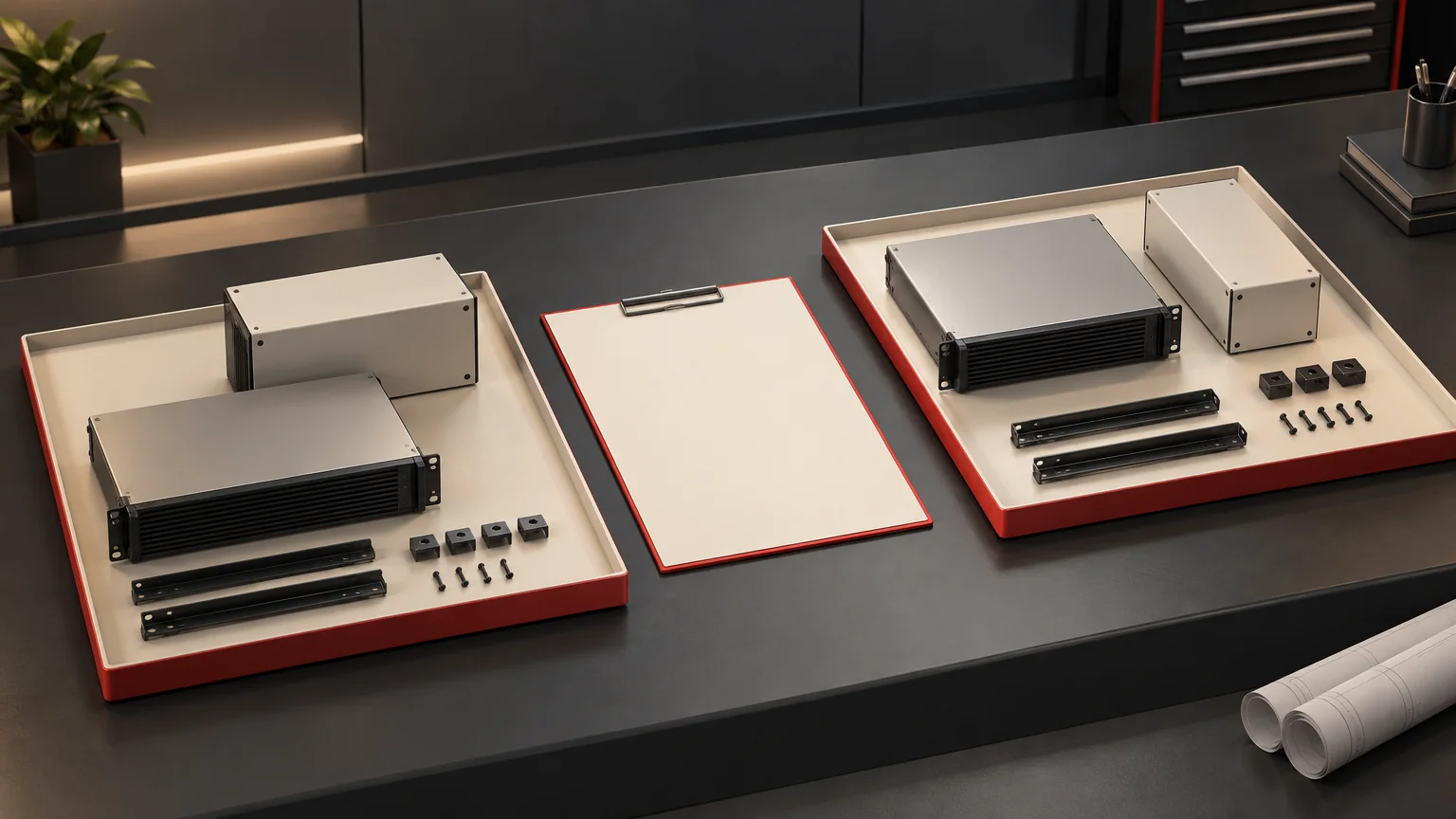
Compare UPS prices after bringing each quotation onto the same load, backup duration and delivery scope. List the host, batteries, installation accessories, monitoring, documents and services separately, then identify what each supplier includes. This gives procurement a usable comparison of complete proposals and makes omissions visible before the order is placed.
At Highidea Power, we match UPS and battery configurations to the application and support OEM/ODM requirements for enclosure, output voltage, branding and monitoring. A clear scope schedule helps us turn your requirement into a proposal your electrical, IT and procurement teams can evaluate together.
Start with one comparison baseline
Create a short project header that every bidder receives: required load in W and VA; input, output and frequency; backup duration at that load; installation location; required operating behavior; and destination. Include growth and startup conditions where they matter. For the detailed technical inputs, use our rack UPS RFQ guide.
Give the baseline a revision. If a bidder assumes a smaller load or shorter runtime, keep that offer as a clearly identified alternative until the difference is resolved. Otherwise, an attractive price can belong to a different job.
A model name alone is too short a description. For example, our ET1-3KR uses built-in LiFePO4 batteries in a rack-mounted online UPS. An external-battery proposal needs a separately identified host-and-storage arrangement. The battery and accessory lines should reflect the actual architecture, even when the proposal is sold as one package.
Build a delivered-system scope table
Use one row per supplied function and retain quantities. Ask suppliers to mark each line included, separately priced, by others, not required, or unresolved. An empty cell stays unresolved; it does not silently mean included.
Scope line | Specify in the request / Record from each offer |
|---|---|
UPS host | Specify in the request Exact rating, voltage, format and operating requirements Record from each offer Full model/suffix, quantity and deviations |
Battery system | Specify in the request Runtime at stated load and approved architecture Record from each offer Built-in or external arrangement, identities and quantities |
Mechanical parts | Specify in the request Rack support, cabinet and installation constraints Record from each offer Supplied support items and installation responsibility |
Connections and protection | Specify in the request Required interfaces and installation boundary Record from each offer Included items, drawings and work assigned to others |
Monitoring | Specify in the request Receiving platform, alerts and required actions Record from each offer Card/software, supported scope and any recurring charges |
Documentation | Specify in the request Destination and installation/operation needs Record from each offer Applicable document list, language and release stage |
Service and delivery | Specify in the request Named destination and responsibilities Record from each offer Packing, freight, commissioning/service scope and exclusions |
The table is a purchasing worksheet. Electrical design and installation still follow the approved configuration and the responsible professionals' instructions. It does not authorize substituting a cable, battery or protection device to make prices align.
Resolve omissions without hiding uncertainty
For each non-included item, obtain a price or assign a named provider and a due date. Keep scope cost separate from taxes, currency conversion and delivery terms. State the currency, quotation validity and agreed commercial basis alongside the totals.
A useful comparison has three outputs:
- Quoted total: the amount the supplier actually offered for its stated scope.
- Additional confirmed cost: written prices for required items outside that offer, counted once.
- Unresolved exposure: required items whose scope or price is not yet settled.
A normalized total can add the first two only when their currency, tax and delivery bases are aligned. Keep the unresolved exposure visible. Avoid adding an invented allowance and presenting the result as a firm delivered price. If management needs a budget estimate, show its assumptions and uncertainty separately.
Worked example: two incomplete offers
The following is a hypothetical document exercise, not a customer order or a price claim. Both offers are intended for the same agreed rack load and runtime.
Required line | Offer A / Offer B / Buyer action |
|---|---|
UPS and storage | Offer A Named host and batteries included Offer B Named host; battery price separate Buyer action Confirm B's matching battery configuration and add its written price |
Rack support | Offer A Unresolved Offer B Named support parts included Buyer action Obtain A's mounting scope and price |
Monitoring option | Offer A Separately priced Offer B Not included Buyer action Price the same required function in both offers |
Site installation | Offer A By customer Offer B By customer Buyer action Keep customer installation scope outside both supplier totals, but budget it separately |
Final document set | Offer A List attached Offer B “Standard documents” Buyer action Obtain B's model- and shipment-matched list |
Offer A may look complete because it mentions batteries. Offer B may look cheaper because storage is outside its headline. Neither conclusion survives the row-by-row comparison until the missing items are resolved. Keep any genuinely different battery architecture as a separate technical alternative rather than treating it as a price adjustment alone.
Carry the selected configuration into the order
Once a proposal is selected, compare the purchase order with the supplier's order confirmation. Use the accepted quotation revision, configuration schedule and exception list as references. Record who accepted each difference and whether the acceptance affects engineering, price or timing.
A compact confirmation record is:
Requirement line: __. Accepted offer/revision: __. PO reference: __. Supplier confirmation: __. Difference: __. Responsible approver: __. Decision and date: __.
Close mismatched model suffixes, quantities, accessory scope and document revisions before release. Keep shipment identity checks in the receiving process; price agreement alone does not show that the delivered assembly matches the order.
Product and service references
- Highidea ET1-3KR rack-mounted online UPS
- Highidea capabilities: configuration selection, OEM/ODM and export-document matching
- Identify the UPS host and battery cabinet on each quotation line
Send us your project scope to discuss the host, battery, options and delivery documents together.
FAQ
Frequently asked questions
Should freight always be included in the comparison?
Use a consistent delivery basis. If freight is outside the supplier offer, identify who arranges it and where its confirmed cost appears. Different delivery terms can assign different responsibilities, so a freight number alone does not make two proposals equivalent.
Can a larger battery be treated as a free upgrade?
Compare its approved host pairing, installation space, recharge conditions and service requirements first. Additional nominal storage can change the configuration and supplied scope; record it as an accepted alternative, not an automatic benefit.
What should I send Highidea for a matched proposal?
Send the baseline, scope table, cabinet or installation constraints and required document list. Indicate which items your own team will supply. Our OEM/ODM and application-selection services provide the starting point for a configuration-specific discussion.
Put this into practice
Need help specifying the right unit?
Share the load, voltage, runtime, environment and destination for a configuration review.