When Does a DC/DC Converter Need Galvanic Isolation?
By Highidea Power · 22 October 2026 · 3 min read
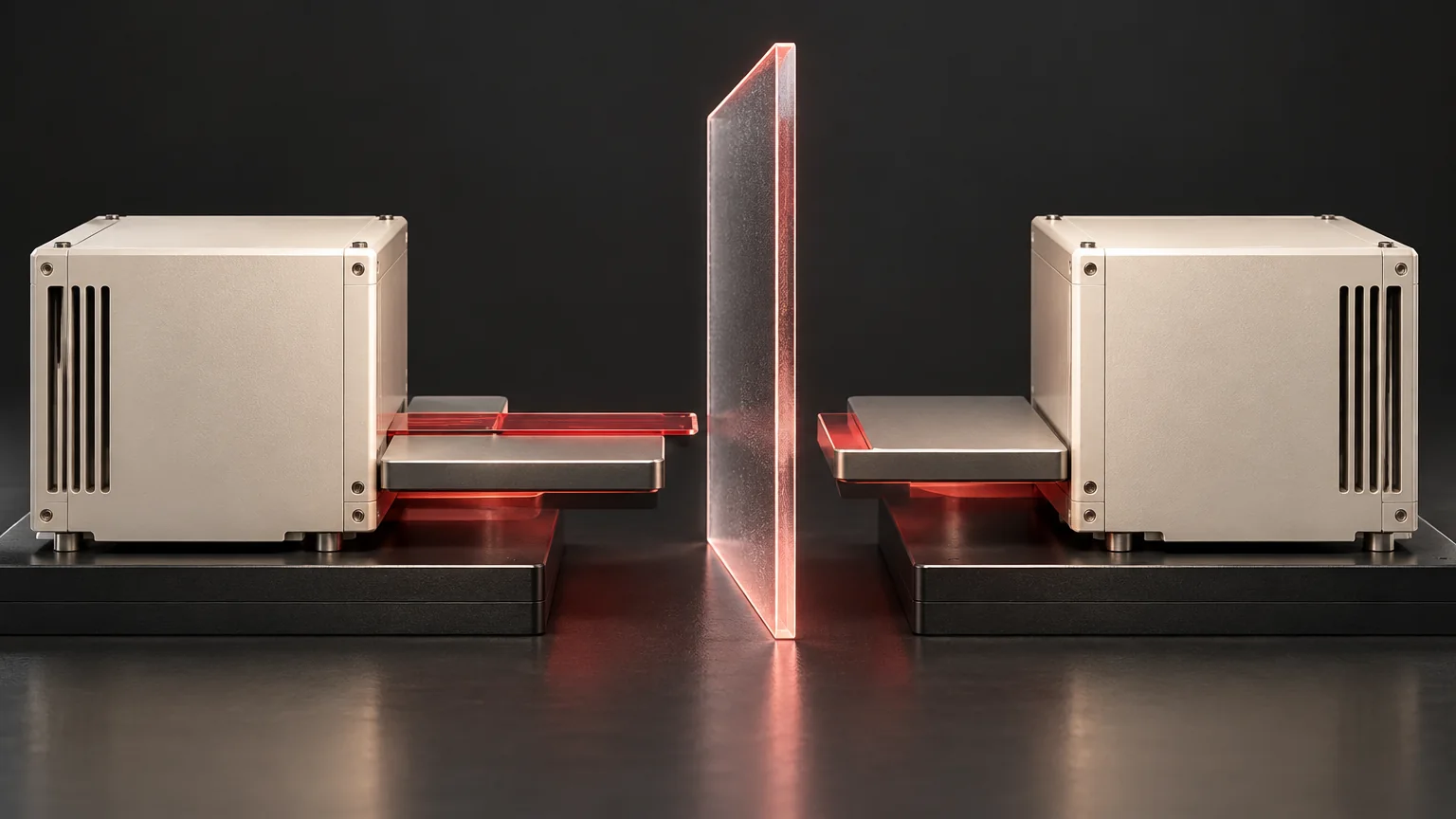
Decide isolation from the system boundary that must be separated, not from whether the converter changes voltage. An isolated design transfers energy across an insulation barrier without an intended direct conductive power path between its sides. The required insulation, working conditions and complete system connections determine whether that arrangement meets the project need.
Highidea's RP route includes DC/DC conversion products. State the isolation requirement explicitly when requesting a configuration; input/output voltage labels alone do not answer it.
Voltage conversion and isolation are separate functions
A converter can change voltage while retaining a common electrical reference. Another design can provide a separated input/output power boundary. Neither architecture is automatically appropriate for every system.
Identify why separation is needed: an approved safety design, different references, an interface requirement or another documented project objective. Then ask what must remain separated and under which normal and abnormal conditions.
Murata's ULT datasheet separately identifies an isolation barrier, insulation rating, tested isolation voltage and capacitance. This demonstrates why a single impressive test-voltage number is not a complete isolation specification. Its ratings belong only to the listed product.
Map every connection across the boundary
The power converter is only part of the system. Control, communication, sensing, protective connections and enclosure arrangements can affect the intended separation. Include them in the engineering review instead of drawing a barrier around only the power terminals.
Requirement cell | Information for the design review |
|---|---|
Purpose and boundary | What must be separated, why, and which project rule or approved design defines it? |
Electrical conditions | Relevant working voltage, transients, environment and expected fault conditions. |
Insulation evidence | Required insulation category and applicable evidence for the exact model, not just a production test value. |
Cross-boundary interfaces | Every power, control and communication path and how the intended boundary is maintained or intentionally referenced. |
System approval | Responsible designer, remaining assumptions and verification required before use. |
This is a specification record, not a grounding or rewiring procedure.
Two hypothetical systems
In a conceptual system, the output is deliberately part of the same approved reference as the input. The designer may consider a non-isolated route if the complete requirements permit it. Matching voltage is still only one selection input.
In another conceptual system, the project requires an independent output boundary. Choosing an isolated converter is a necessary starting point, but an unreviewed control connection could compromise the intended system arrangement. The designer must review the complete interface set.
These cases do not prescribe how to bond, float or earth an output. Changing a reference or protective connection can create hazards and belongs to qualified system design.
Read isolation claims precisely
Ask whether a value describes a test voltage, permitted continuous working voltage or another defined condition. Record AC/DC basis, duration, insulation classification and applicable environment where specified. Do not convert a test number into an unrestricted continuous rating.
Isolation also does not replace overcurrent protection, safe access, thermal design or the applicable equipment approval. The project must determine the full protection arrangement, including any communication interface.
Prepare the RP configuration discussion
Send Highidea a conceptual system diagram, source/output requirements, the reason for isolation, relevant project rules and all interfaces crossing the proposed boundary. These inputs help identify the exact product evidence required for a suitable conversion arrangement.
Manufacturer reference
- Murata ULT isolated DC/DC datasheet, for separately stated barrier and insulation characteristics.
FAQ
Frequently asked questions
Does a metal enclosure establish isolation?
No. Enclosure appearance does not establish the internal insulation boundary or its rating.
Can an isolated converter solve every ground-related problem?
No. The references, protective connections and interfaces need a complete engineering review. Do not alter them based on a general article.
Can a communication cable affect the isolation review?
Yes. Include its reference, shielding, supply and interface arrangement in the complete system assessment. Do not presume that isolating the power-conversion path separates every connected circuit. The responsible designer determines how each interface satisfies the intended boundary and applicable protection requirements without improvised grounding changes.
Related
Products, solutions & further reading.
Put this into practice
Need help specifying the right unit?
Share the load, voltage, runtime, environment and destination for a configuration review.