Online Double-Conversion or Line-Interactive UPS? Choose by Load Requirements
By Highidea Power Engineering Team · 9 June 2026 · 5 min read
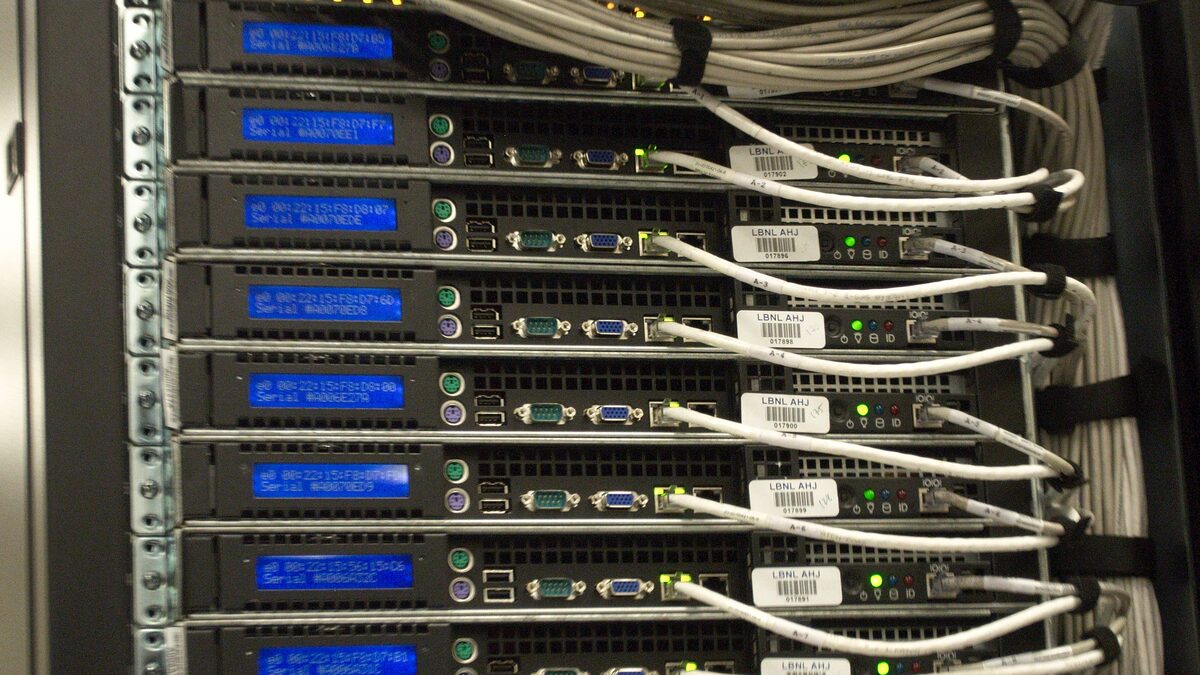
Choose the UPS topology from the load's permitted interruption, voltage and waveform conditions, then match capacity, runtime and installation needs. Online double conversion rebuilds the output through an inverter in normal online operation. A line-interactive UPS regulates the incoming supply and changes to battery operation when required. The device's actual supply tolerance determines which behavior is suitable.
Highidea Power offers both architectures. Our ET and C families provide online double-conversion options; LT and MT provide compact line-interactive/backup options. This lets buyers choose the power-conversion behavior separately from battery chemistry, rather than treating every lithium UPS as online or every lead-acid UPS as line-interactive.
Compare operating behavior before product labels
In normal online double-conversion operation, the load is supplied through the inverter. A documented zero-time transition to battery refers to that named event. Static bypass, maintenance bypass and other operating modes have their own conditions; an online label does not give every transition the same performance.
Line-interactive equipment normally supplies the load from regulated mains and switches to its inverter/battery path when necessary. For Highidea LT and MT, the product information specifies approximately 4–8 ms transfer and simulated-sine battery output. Compare both properties with the actual load's requirements.
Selection point | Online double conversion / LT/MT line-interactive examples |
|---|---|
Normal operation | Online double conversion Output rebuilt through the inverter in online mode LT/MT line-interactive examples Regulated mains supply |
Change to battery | Online double conversion Named online-to-battery continuity requirement LT/MT line-interactive examples Approximately 4–8 ms specified transfer |
Battery-mode waveform | Online double conversion Obtain the selected model's waveform specification LT/MT line-interactive examples Simulated sine specified |
Other paths | Online double conversion Check bypass and applicable operating modes separately LT/MT line-interactive examples Check the selected model's operating limits |
Buying decision | Online double conversion Match required output performance and complete configuration LT/MT line-interactive examples Confirm the load accepts transfer, waveform and regulation |
For the exact meaning of a zero-time claim, see our 0 ms transfer guide. A load that cannot accept the specified interruption or battery waveform needs a different documented configuration.
Keep chemistry and topology as separate choices
The four combinations in our range provide a practical comparison:
Battery chemistry | Online examples / Line-interactive examples |
|---|---|
LiFePO4 | Online examples ET Line-interactive examples LT |
VRLA lead-acid | Online examples C Line-interactive examples MT |
Chemistry affects the storage system and its service requirements. Topology describes power-conversion behavior. Neither label alone supplies the watts limit, runtime, enclosure fit or compatibility with a sensitive device.
The ET/C comparison develops the online battery choices. For a compact backup application that accepts the LT/MT behavior, compare the exact voltage, capacity and runtime rather than choosing by chemistry alone.
Use a requirement filter for each load
First obtain the equipment manufacturer's permitted input conditions and the operational outcome the project needs. A server, laboratory instrument or office device name is not an electrical tolerance specification. A medical or other regulated application also needs its own applicable approval and system review.
Use these questions in order:
- Can the device accept the proposed transition? If its permitted interruption is unknown, obtain the answer before approving a non-zero transfer arrangement. Include relevant bypass events in the online review.
- Can it accept the battery-mode waveform and voltage behavior? A matching nominal voltage does not answer the waveform question. Record the load manufacturer's requirement beside the offered specification.
- Does the exact model meet W, VA and transient demand? Record continuous and relevant startup demand separately. A successful topology choice cannot compensate for inadequate power capacity.
- Can the full configuration meet the operating task? Define runtime at the actual load, installation constraints, recovery requirements and response responsibilities.
A requirement that fails one of these filters should trigger another configuration or a qualified system review. Avoid adding a battery or changing a setting simply to rescue an unsuitable topology choice.
Two hypothetical selection cases
Consider an office network device whose manufacturer has confirmed acceptance of the offered transfer behavior and simulated-sine battery output. A correctly rated LT/MT configuration can enter the shortlist. The buyer still checks its voltage, runtime, installation and required management options; the office label itself did not establish compatibility.
Now consider an instrument whose supply requirement excludes the proposed interruption or waveform. An LT/MT option that fails that requirement leaves the shortlist. Review a suitable online configuration against the complete specification, including the relevant source transitions and application approvals. “Online” is the start of that review, not a guarantee for every instrument.
These are decision examples, not tested customer installations or blanket recommendations for either device category.
Build a short acceptance comparison
Requirement | Load or project input / Offered configuration / Decision |
|---|---|
Interruption | Load or project input Permitted event and limit Offered configuration Named path, mode and specified result Decision Meets/review/does not meet |
Output | Load or project input Voltage, frequency and waveform conditions Offered configuration Model-specific normal/battery requirements Decision Meets/review/does not meet |
Power | Load or project input W, VA and transient demand Offered configuration Ratings and applicable conditions Decision Meets/review/does not meet |
Runtime | Load or project input Load and required operating duration Offered configuration Exact host and battery arrangement Decision Meets/review/does not meet |
Installation | Load or project input Space, support, environment and service access Offered configuration Complete supplied arrangement Decision Meets/review/does not meet |
Response | Load or project input Monitoring or shutdown task Offered configuration Selected option and receiving system Decision Meets/review/does not meet |
Keep unresolved items assigned to an owner. Qualified parties should determine appropriate verification under safe representative conditions; do not test interruption tolerance by disconnecting production equipment.
Discuss the product route with Highidea
The ET1-3KR provides rack-mounted online double conversion with built-in LiFePO4 batteries. C provides an online lead-acid route, while LT/MT serve compatible compact backup applications. Exact options and installation details belong to the selected model.
Send the device's permitted supply conditions, measured or documented demand, required runtime and installation format. Our application-selection services can use those inputs to discuss a suitable configuration.
Product and technical references
- Highidea ET1-3KR online product and battery-mode waveform information
- Highidea configuration selection and support
- ET versus C: online topology and battery chemistry
Contact Highidea with the load requirements to compare the appropriate product routes.
FAQ
Frequently asked questions
Does a critical load always require the same topology?
Criticality explains the consequence of losing service. Electrical tolerance, required operating behavior and applicable system approvals determine the equipment specification. Document both rather than selecting only from the category name.
Does lithium automatically provide 0 ms transfer?
No. Highidea ET is online with LiFePO4 storage, while LT uses LiFePO4 in a line-interactive architecture. The named operating path and selected model determine the transfer specification.
Should an online UPS always run in its highest-efficiency mode?
Evaluate that mode's supply path, transition behavior and output conditions against the load requirements. Do not assume an ECO efficiency figure describes normal double-conversion operation.
Put this into practice
Need help specifying the right unit?
Share the load, voltage, runtime, environment and destination for a configuration review.