Wide UPS Input Range Does Not Define Output-Voltage Conversion
By Highidea Power · 23 October 2026 · 3 min read
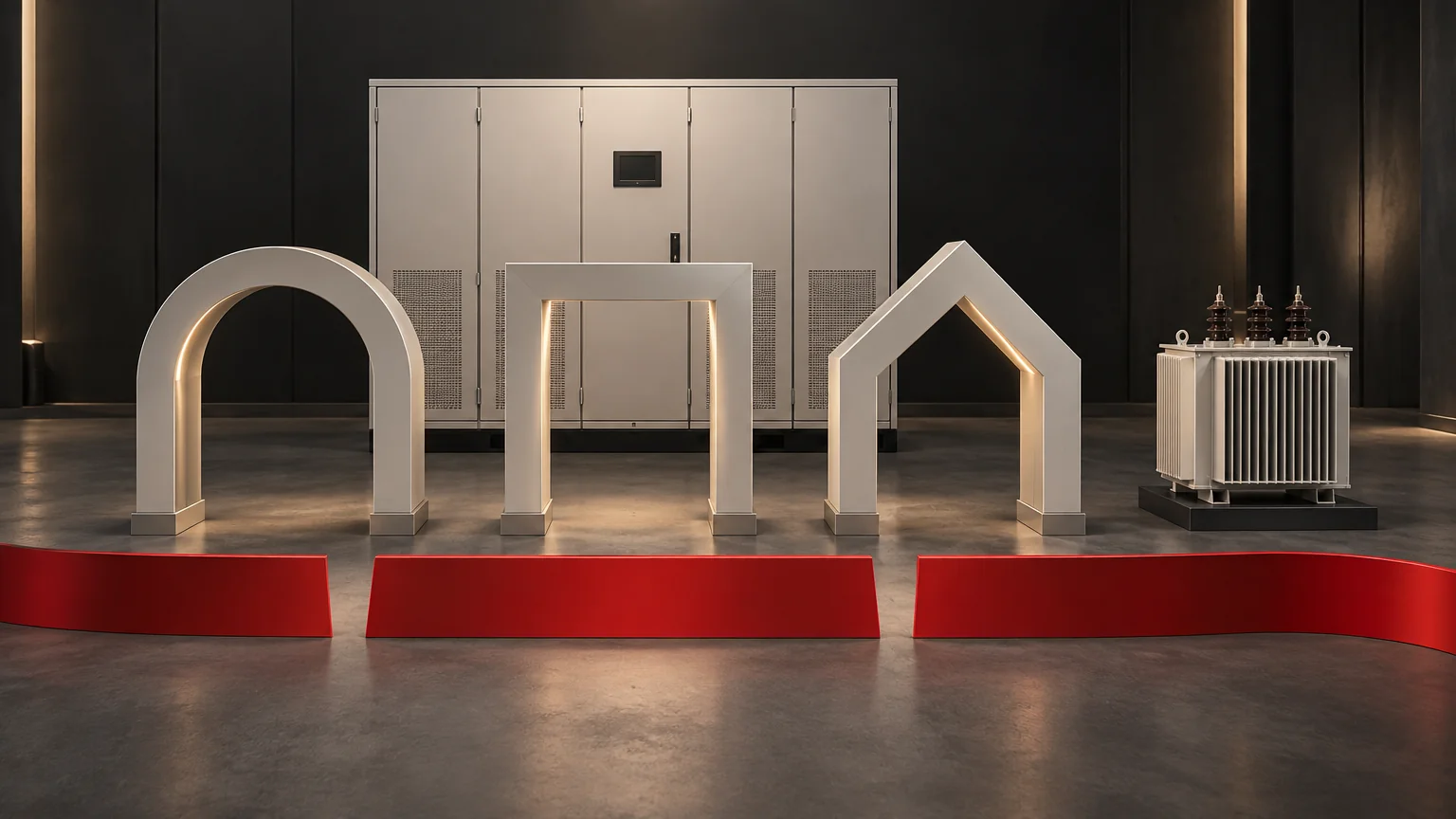
A wide input range describes accepted source conditions under stated limits. It does not by itself specify a different output voltage, an output-conversion ratio or the behavior of bypass and maintenance paths. For a project supplying lower-voltage equipment from another source voltage, require one documented source-to-load architecture and a mode-by-mode response.
Give every voltage its own label
Write input, output and bypass requirements separately, using AC or DC and frequency where applicable. In three-phase arrangements, distinguish line-to-line and line-to-neutral values. A family voltage list must not be treated as a complete matrix of all possible input/output combinations.
ENERGY STAR's definitions distinguish input-dependency characteristics, normal modes and bypass paths. That vocabulary explains why an acceptable input window and an output requirement are different fields. It does not certify a product or establish an unlisted conversion function.
An input range may also change with load or other conditions. Preserve the actual offered model's limits instead of using the broadest number in a family brochure.
Trace every permitted supply path
Path or state | Question that must be answered |
|---|---|
Normal supported mode | Which input conditions produce the required output voltage, frequency and capacity? |
Stored-energy operation | What output conditions and limits apply from the approved battery arrangement? |
Automatic/static bypass, if provided | What source reaches the load, with what compatibility and transfer restrictions? |
Maintenance arrangement | What supplies the load during the approved service state? |
Startup and restoration | Which output settings, source conditions and transitions apply on return? |
A correct normal-mode result does not close the other rows. A path that is not part of the approved design should be explicitly excluded rather than assigned an invented output.
A hypothetical lower-voltage requirement
Suppose an equipment manufacturer requires 115 VAC at the load while the available source is nominally 230 VAC. A proposal that lists “wide AC input” has not answered the output requirement. Ask for an explicitly supported configuration and the complete path through every allowed state.
If the proposal uses an additional voltage-conversion stage, its rating, regulation, waveform, grounding, protection, losses and position in the approved architecture also need assessment. It is not enough to place an unlabeled transformer symbol next to the UPS.
These voltages are project examples, not a statement that a Highidea D/DT model accepts the source or that a particular external conversion arrangement is supported. Obtain the exact offered datasheet and system response.
Keep frequency conversion separate
Voltage conversion and frequency conversion answer different questions. An ordinary transformer does not convert one mains frequency to another. Likewise, automatic frequency adaptation does not establish a fixed converter mode.
If the load needs a different frequency from the source, use the separate frequency-conversion review and ask for explicit mode evidence. Include bypass and service paths in the same decision; a source-compatible voltage is not sufficient when the frequency requirement differs.
Close the requirement without a live experiment
Retain the load manufacturer's allowed input, source profile, offered model/variant, output settings, path matrix and evidence references. Have the qualified designer approve the complete electrical arrangement, including any additional conversion equipment and its protection.
Do not connect the load to an uncertain path or enable a setting to discover whether the output becomes suitable. Verification should follow the exact approved equipment and site method, with representative conditions and safe recovery.
Highidea provides different low-voltage and higher-voltage UPS product routes. Send the required source/output pair and load task through our contact page. Ask the quotation to identify one supported configuration rather than assuming a family name supplies the missing conversion statement.
References
Related reading
FAQ
Frequently asked questions
Does wide input mean any selectable output is available?
No. Confirm the actual input/output pair, operating conditions and limits for the offered variant.
Is bypass necessarily at the regulated inverter voltage?
Do not assume that. Obtain the actual path and source conditions for the selected system.
Can a normal-mode demonstration clear maintenance operation?
It only supports its recorded state. The approved maintenance supply path needs separate evidence or an explicit exclusion.
Put this into practice
Need help specifying the right unit?
Share the load, voltage, runtime, environment and destination for a configuration review.