Insights
UPS selection, standards & application guides.
Practical engineering guidance for specifying lithium UPS and power inverters, covering selection logic, voltage standards, topology and real application requirements.
Medical & Laboratory guides.
Showing 1–8 of 8 guides

Laboratory UPS RFQ Template for Precision and Analytical Equipment
A laboratory UPS RFQ should combine the instrument manufacturer’s input limits with a complete operating-cycle load list and a defined outage outcome. A buyer can use this guide to define the input, evidence and acceptance result before comparing models.

Commissioning a UPS for Laboratory or Medical-Support Loads
Commission a UPS for laboratory or medical-support loads against the equipment manufacturer’s requirements and the facility risk assessment. Use the checks below to turn that question into a comparable supplier requirement.

Why Output Waveform and Regulation Matter to Precision Instruments
Output waveform, voltage regulation, frequency behavior, transfer events and grounding can affect how a precision instrument starts, measures and shuts down. Use the checks below to turn that question into a comparable supplier requirement.

Defining UPS Runtime Around a Laboratory Shutdown Workflow
Define laboratory UPS runtime from the workflow that must finish during an outage: preserve the sample, save data, stop pumps or heaters in sequence, complete a controlled shutdown, or bridge to alternate power. It focuses the discussion on project conditions, configuration scope and evidence rather than catalogue shorthand.
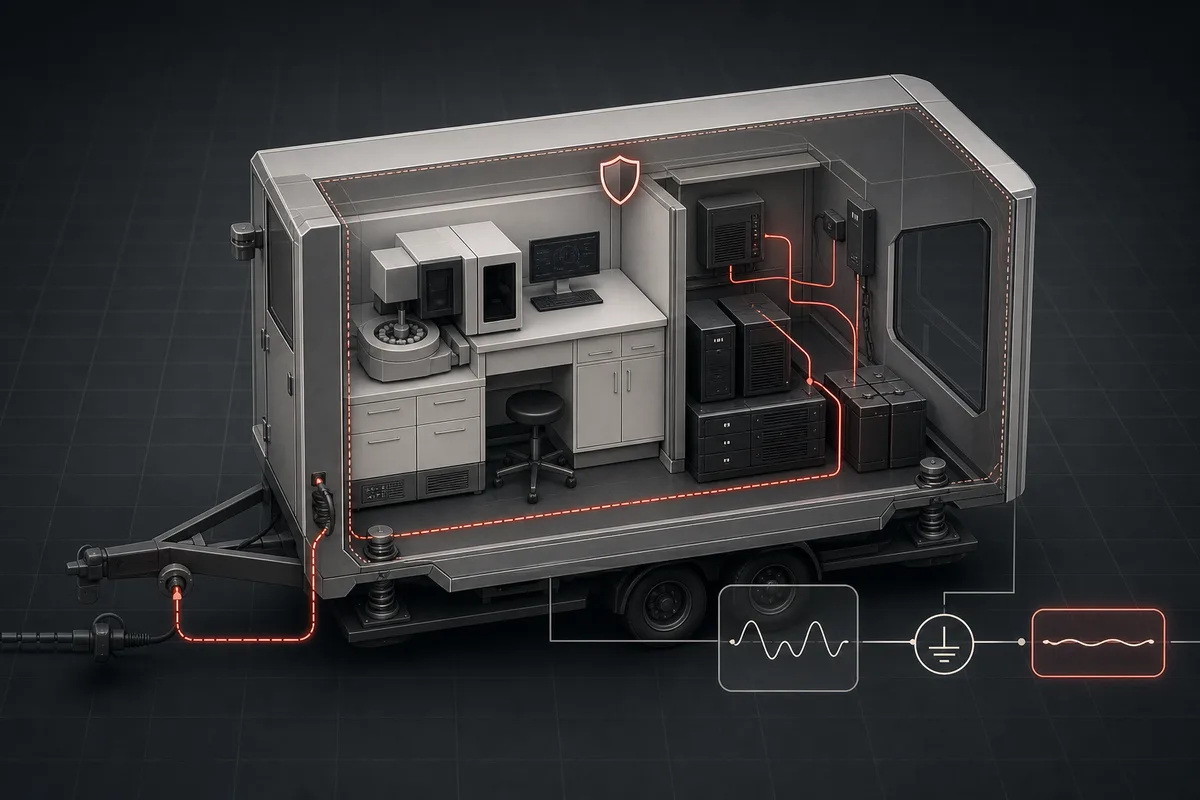
Mobile Laboratory UPS Design: Vibration, Space, Input Power and Runtime
A mobile-laboratory UPS must work within vehicle space, weight, vibration, temperature and upstream-source constraints while supporting the instrument’s operating or shutdown plan. The result is a decision record that engineering, procurement and the supplier can all verify.
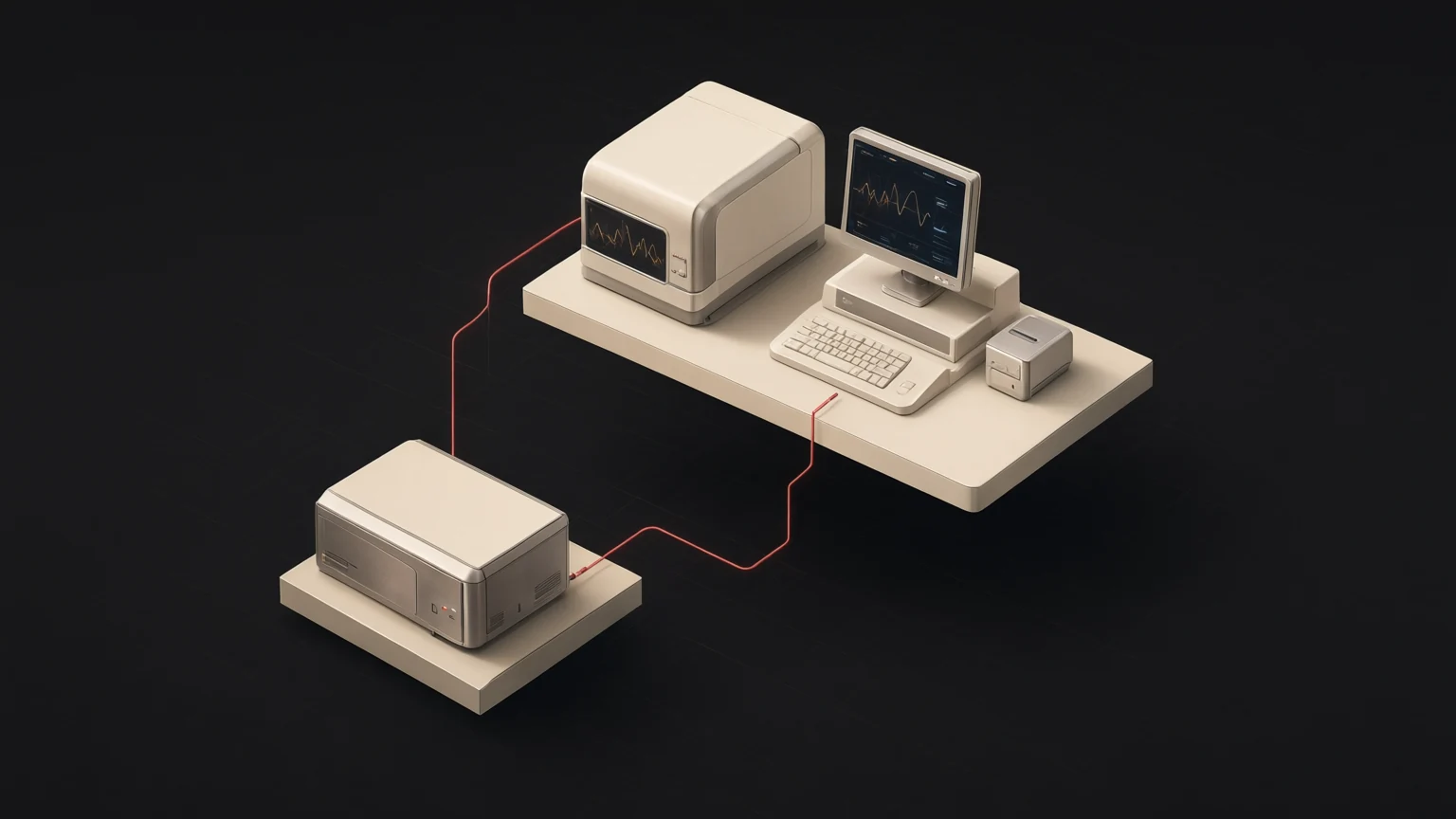
UPS Sizing for Analytical Instruments: Build the Load and Shutdown Record First
Build a laboratory UPS load and shutdown record, distinguish project-reference evidence from performance proof, and request configuration-specific autonomy.
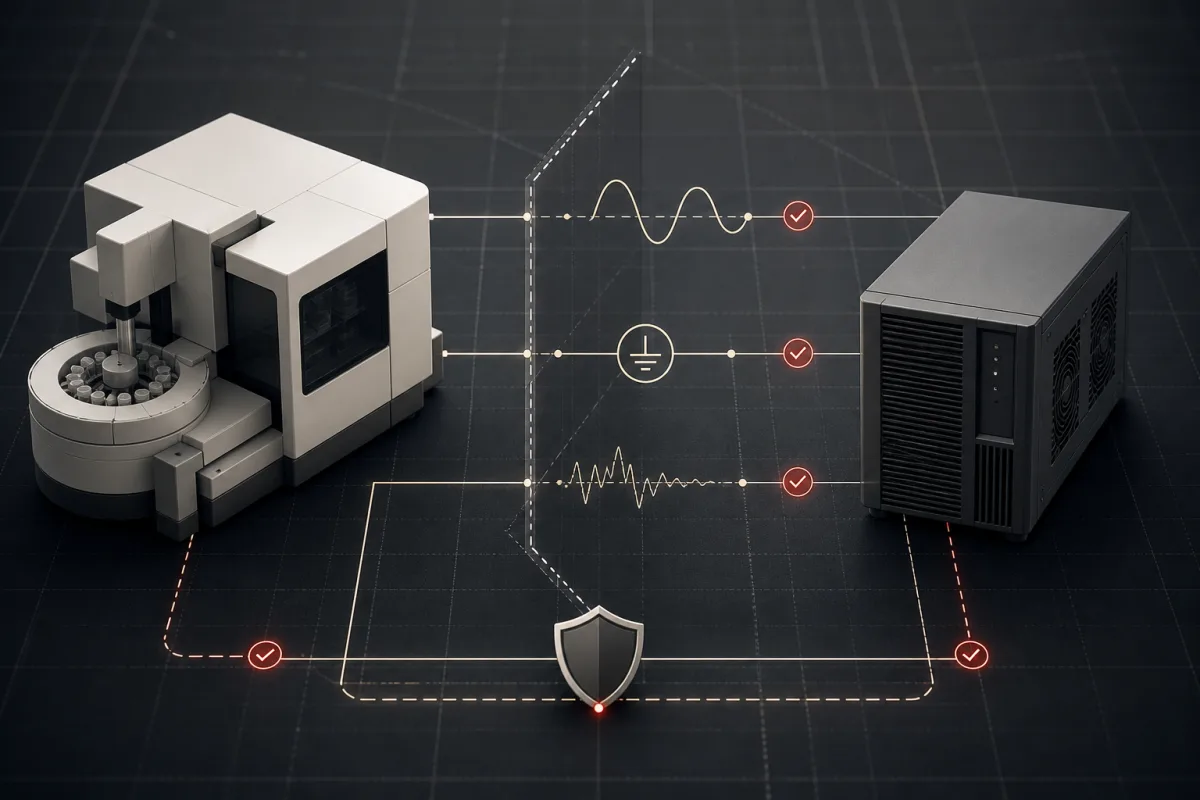
UPS for Medical Equipment: Compatibility Questions Before Any Product Claim
Before connecting a UPS to medical electrical equipment, obtain the equipment manufacturer’s power requirements and have the facility team verify the applicable safety, essential-performance, grounding, leakage, EMC and installation rules. The following engineering and procurement checks make the answer measurable before an order is placed.
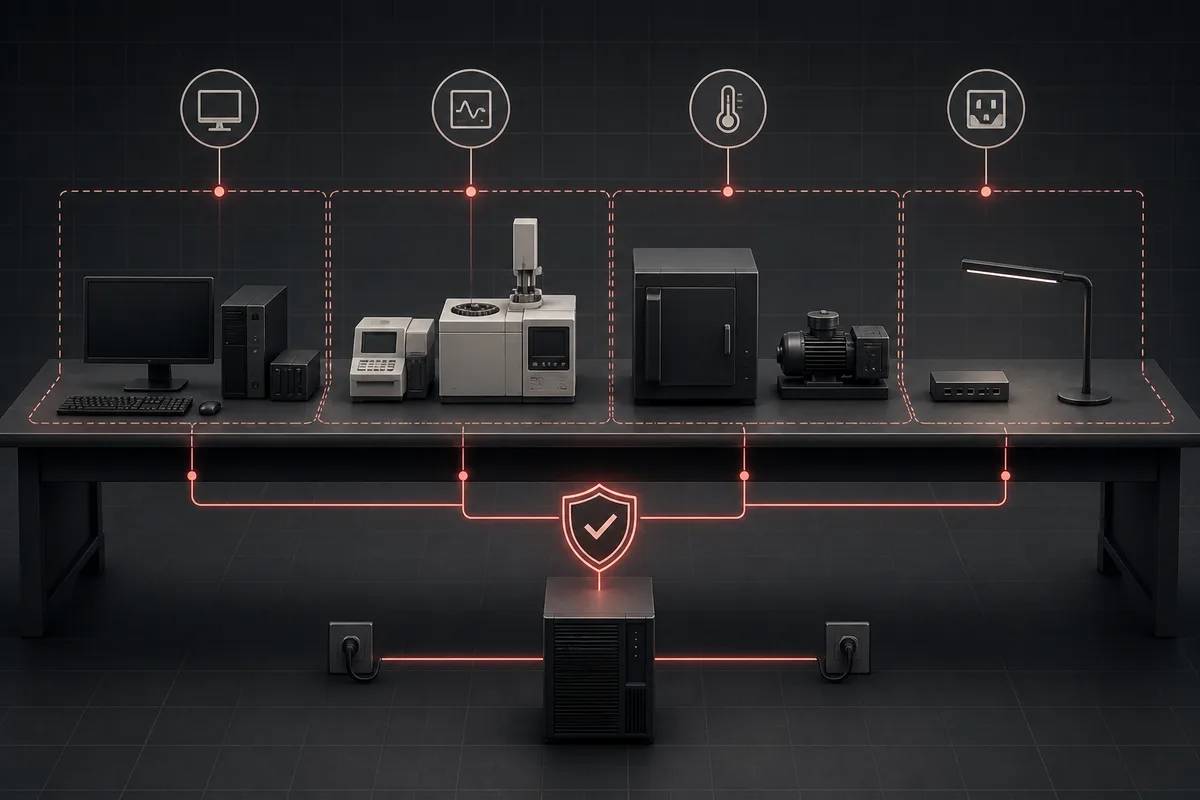
How to Classify Laboratory Loads Before Selecting a UPS
Classify laboratory loads by what must happen during a power event: continue operating, preserve a sample, save data and shut down, or stop immediately. Use the checks below to turn that question into a comparable supplier requirement.
Engineering guidance
Make a better power-system decision.
Every article answers a real buyer question — which battery chemistry, which topology, which voltage, which model for which environment — with the parameters and trade-offs an engineer needs to decide. Each links through to the relevant products and solutions.
Have a specific question?
Tell us your load and we'll advise.
Use these guides to frame the requirement, then send the load, voltage, runtime and destination for a configuration review.