Insights
UPS selection, standards & application guides.
Practical engineering guidance for specifying lithium UPS and power inverters, covering selection logic, voltage standards, topology and real application requirements.
Power Quality guides.
Showing 1–10 of 10 guides

The 12 Electrical Data Points a UPS Supplier Needs Before Recommending a Model
A UPS supplier cannot make a defensible recommendation from a kVA request alone. Use the checks below to turn that question into a comparable supplier requirement.

N+1 UPS Redundancy: Availability Benefit, Part-Load Cost and Sizing Trade-Offs
N+1 improves continuity only when the remaining modules can carry the defined load after one module is unavailable and the design avoids unexamined common points of failure. Use the checks below to turn that question into a comparable supplier requirement.
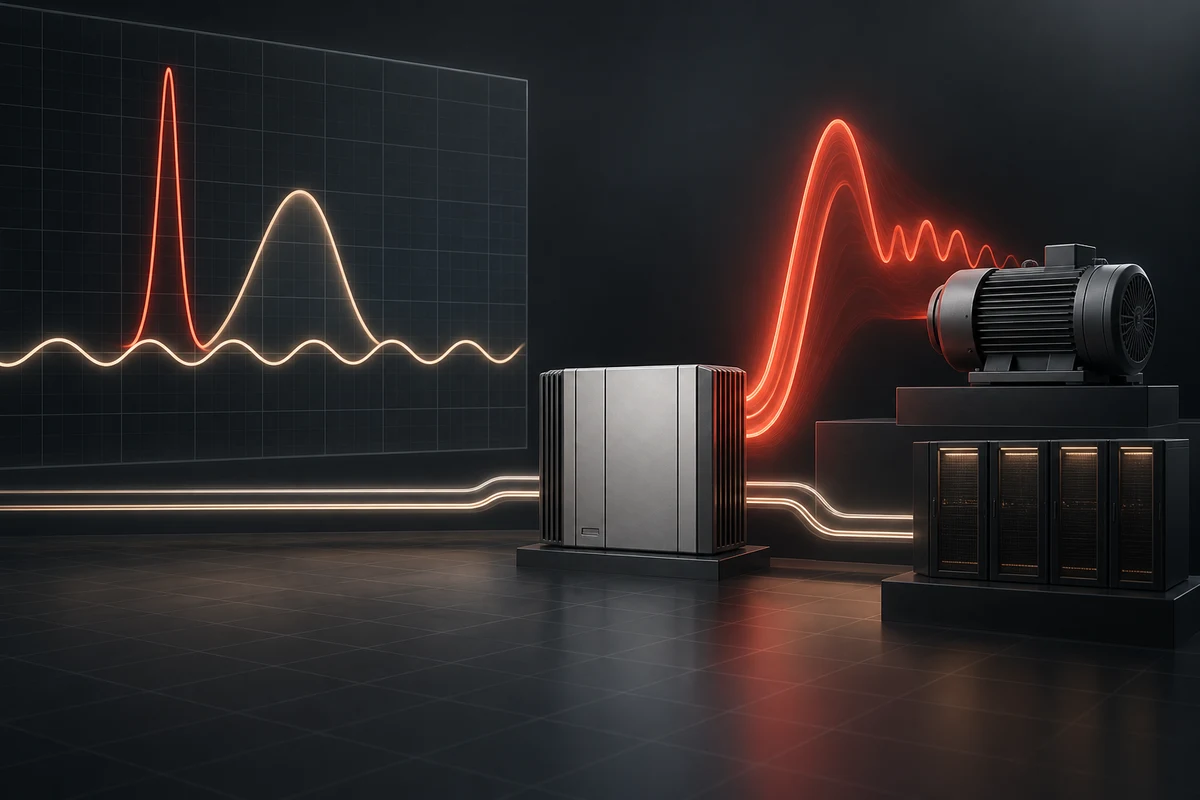
Crest Factor and Inrush Current: Two UPS Sizing Inputs Buyers Often Miss
A UPS can carry the steady watts and still fail when a load starts or draws a sharply peaked current. Use the checks below to turn that question into a comparable supplier requirement.
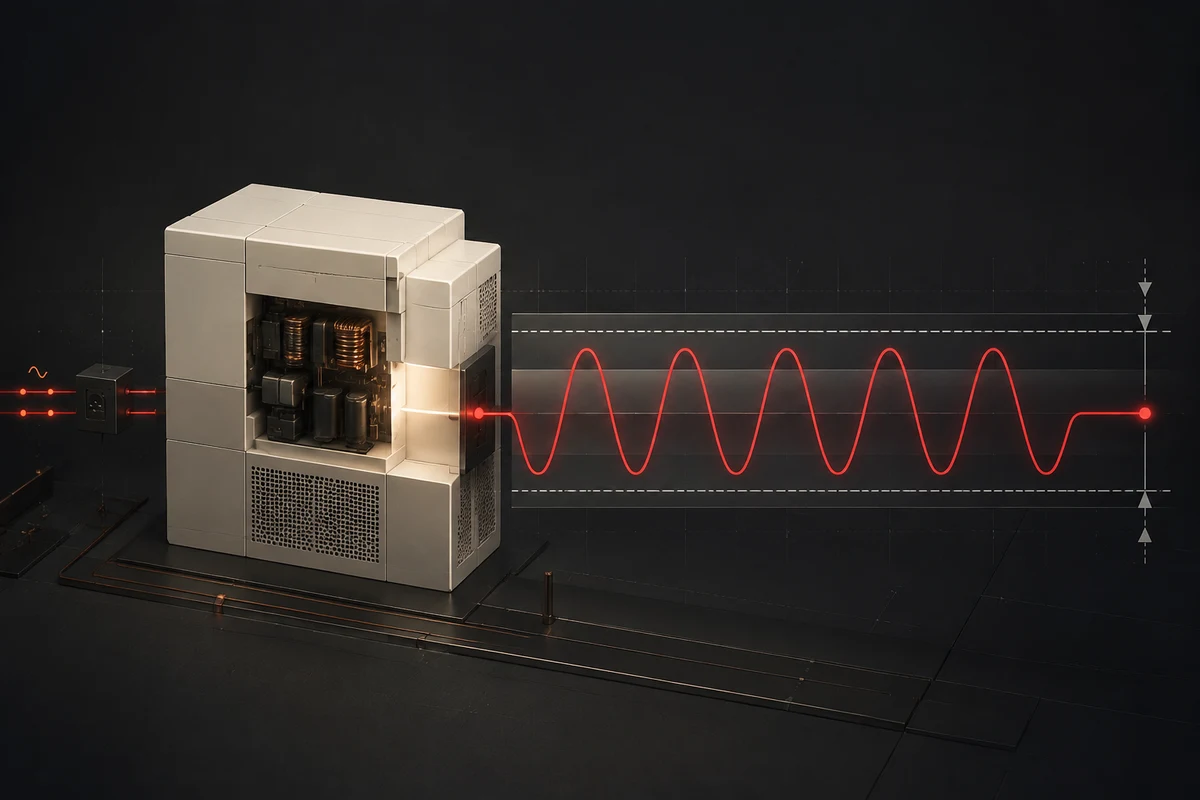
How to Read UPS Output-Voltage Regulation Without Over-Specifying the System
An output-voltage regulation percentage describes how closely the UPS holds its output under stated conditions; it does not by itself prove that a load is compatible. Use the checks below to turn that question into a comparable supplier requirement.
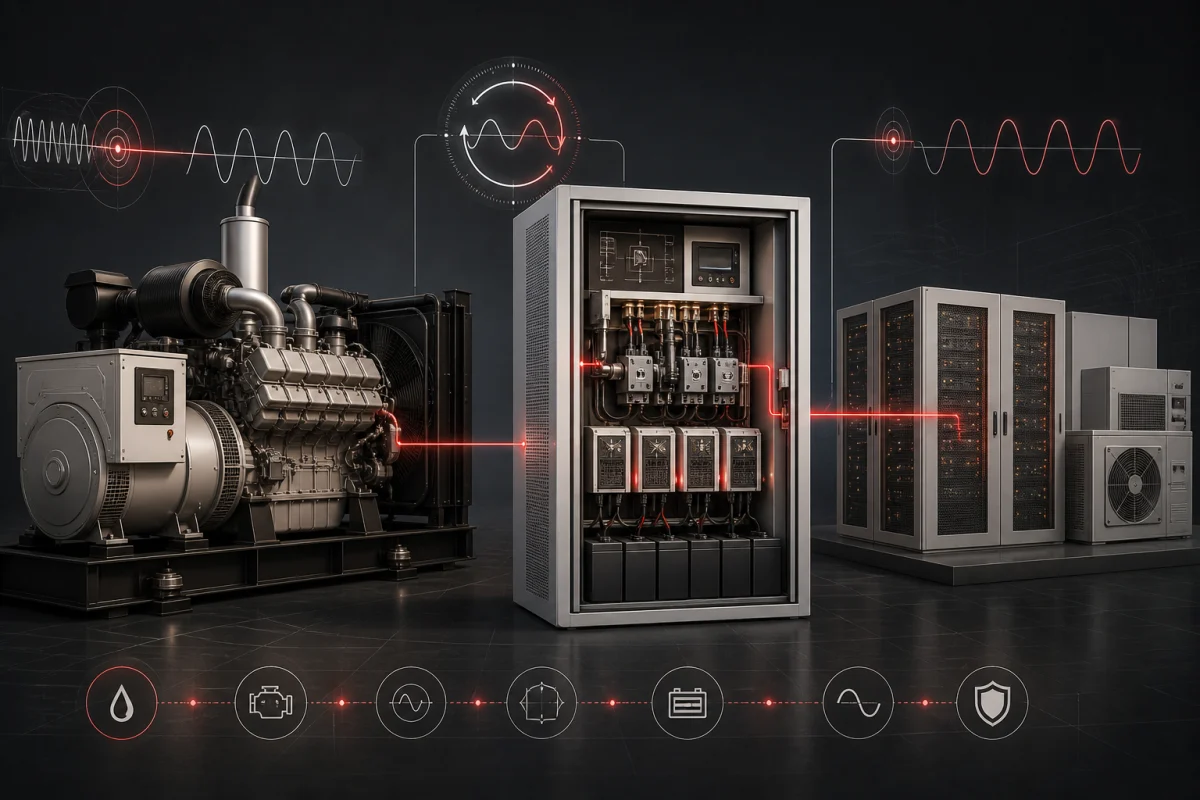
UPS and Generator Compatibility: A Pre-Commissioning Checklist
UPS and generator compatibility must be checked as one source-to-load system. Use the checks below to turn that question into a comparable supplier requirement.
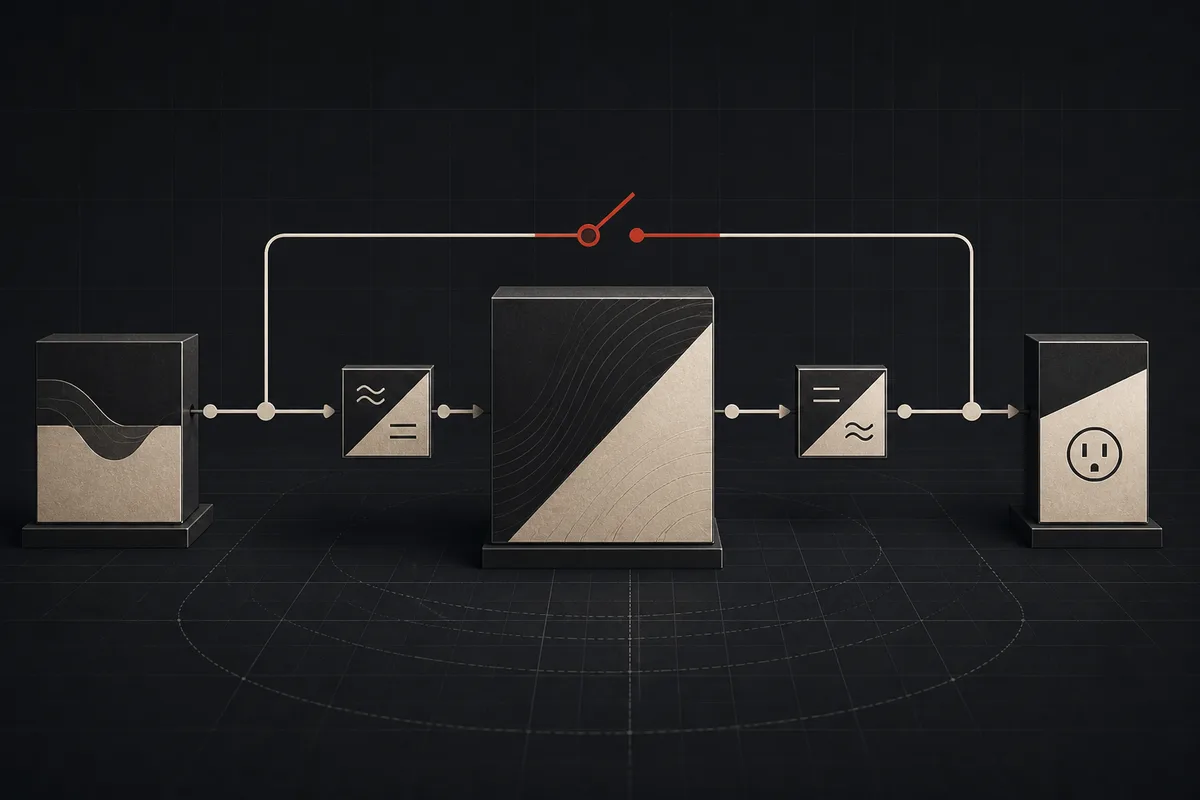
UPS Static Bypass Explained: When It Helps and What It Does Not Protect
Static bypass is an alternate path that can keep a load energized when the inverter is overloaded or unavailable, but the load may lose the conditioning normally provided by the inverter. It focuses the discussion on project conditions, configuration scope and evidence rather than catalogue shorthand.
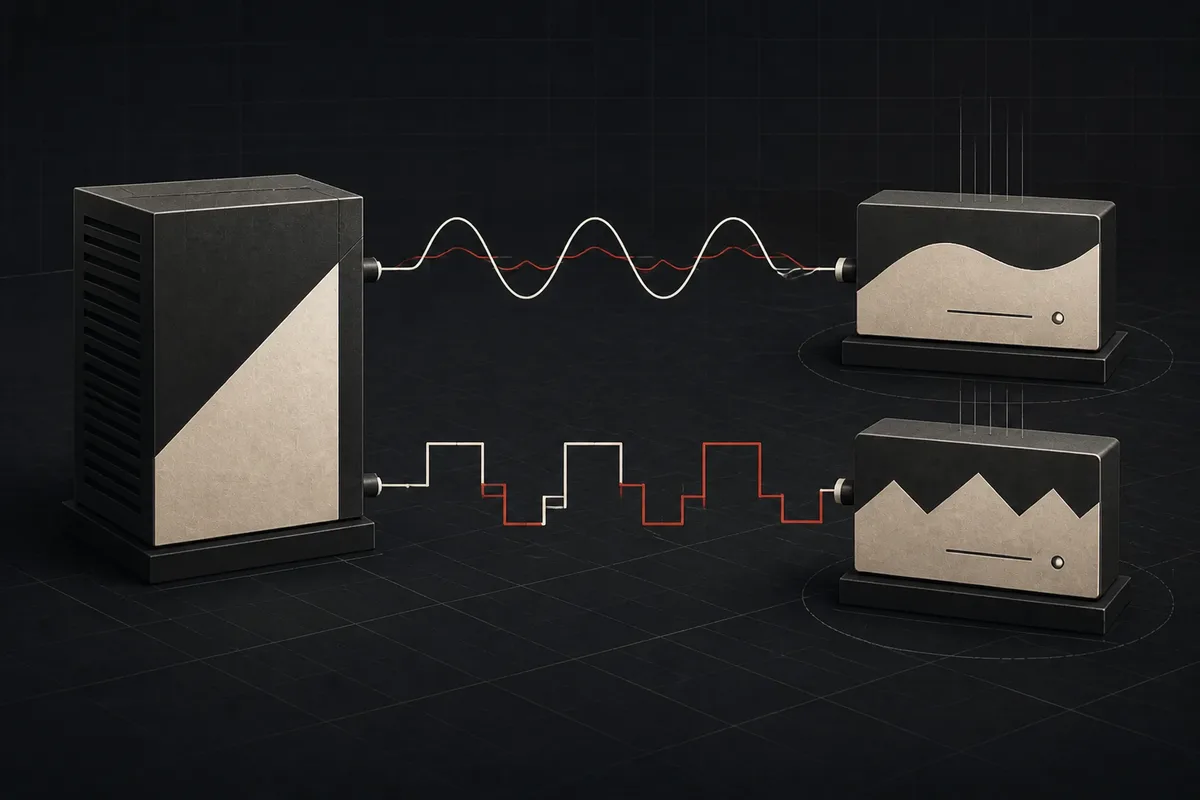
Pure Sine Wave vs Simulated Sine Wave UPS: Which Loads Need Which Output?
Choose output waveform by the protected load, not by price alone. The result is a decision record that engineering, procurement and the supplier can all verify.
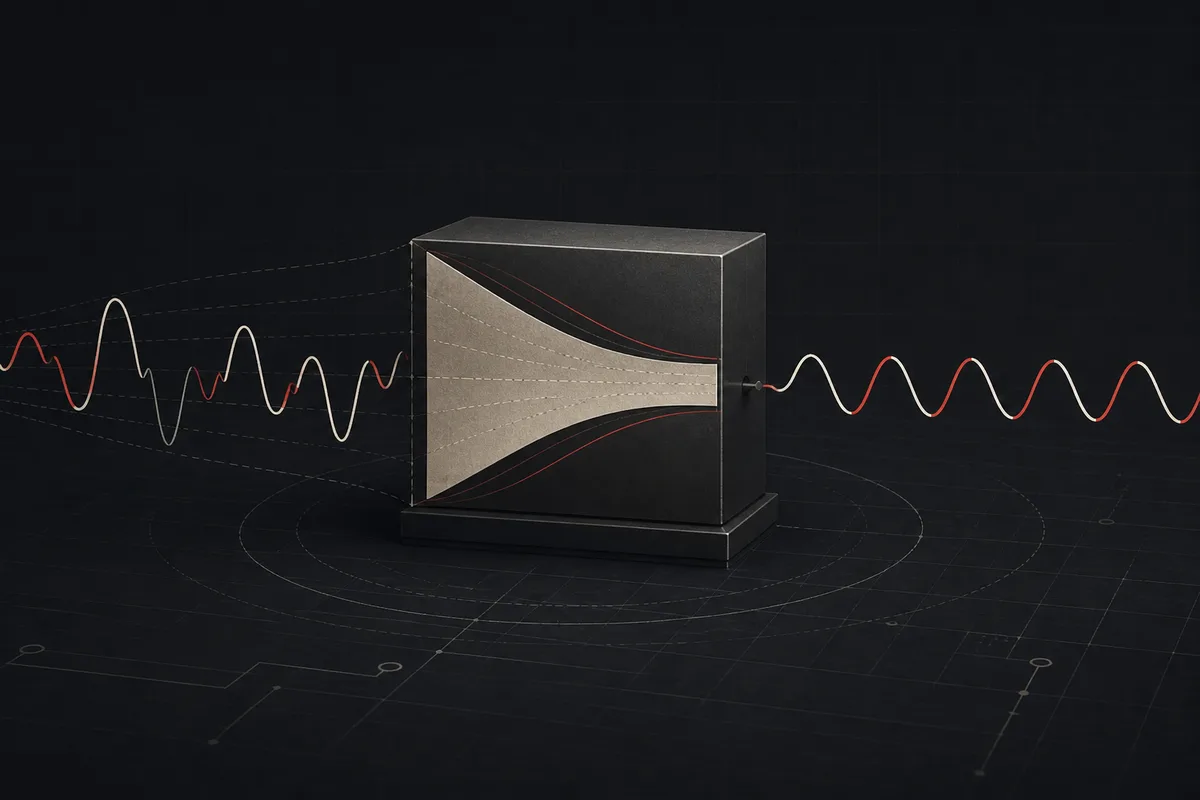
Wide-Input UPS Selection for Unstable Grids: What the Voltage Window Tells You
A wide UPS input window can reduce battery operation during voltage variation, but it is not a complete poor-grid or generator guarantee. A buyer can use this guide to define the input, evidence and acceptance result before comparing models.
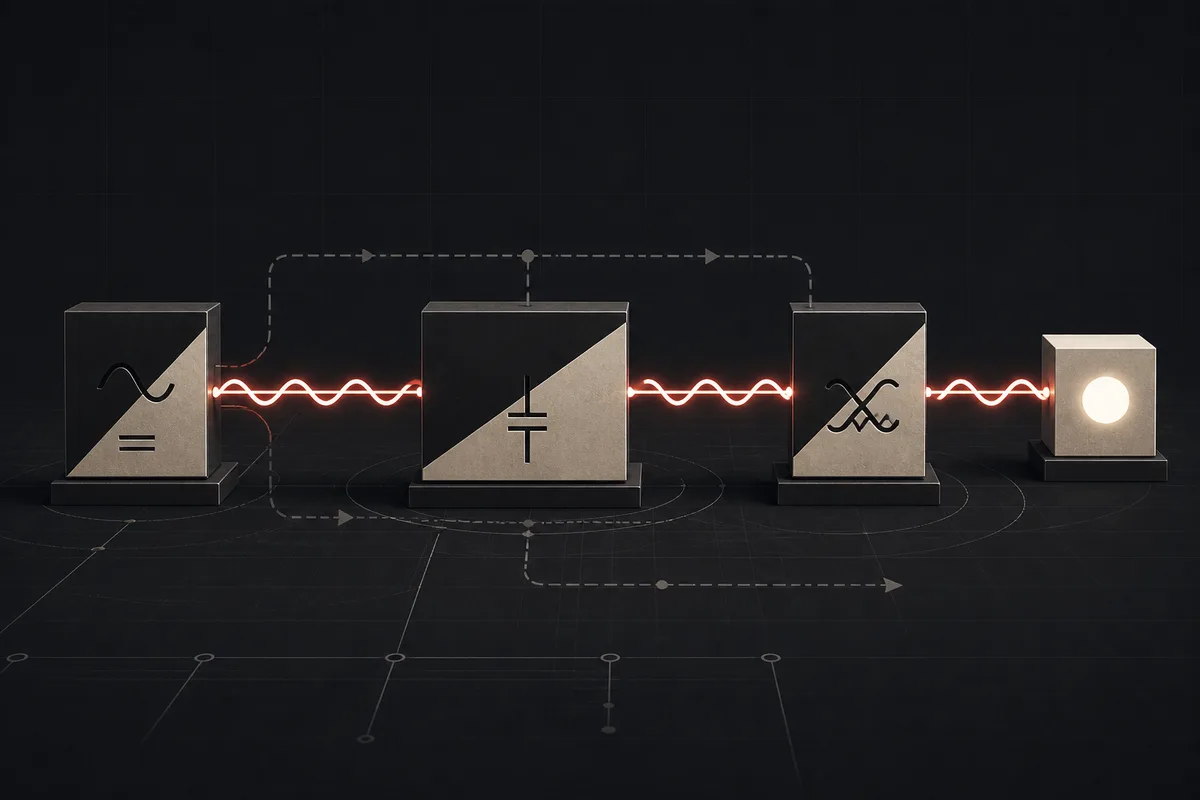
What Does “0 ms Transfer” Really Mean in an Online UPS?
“0 ms transfer” should identify a specific power path. The following engineering and procurement checks make the answer measurable before an order is placed.
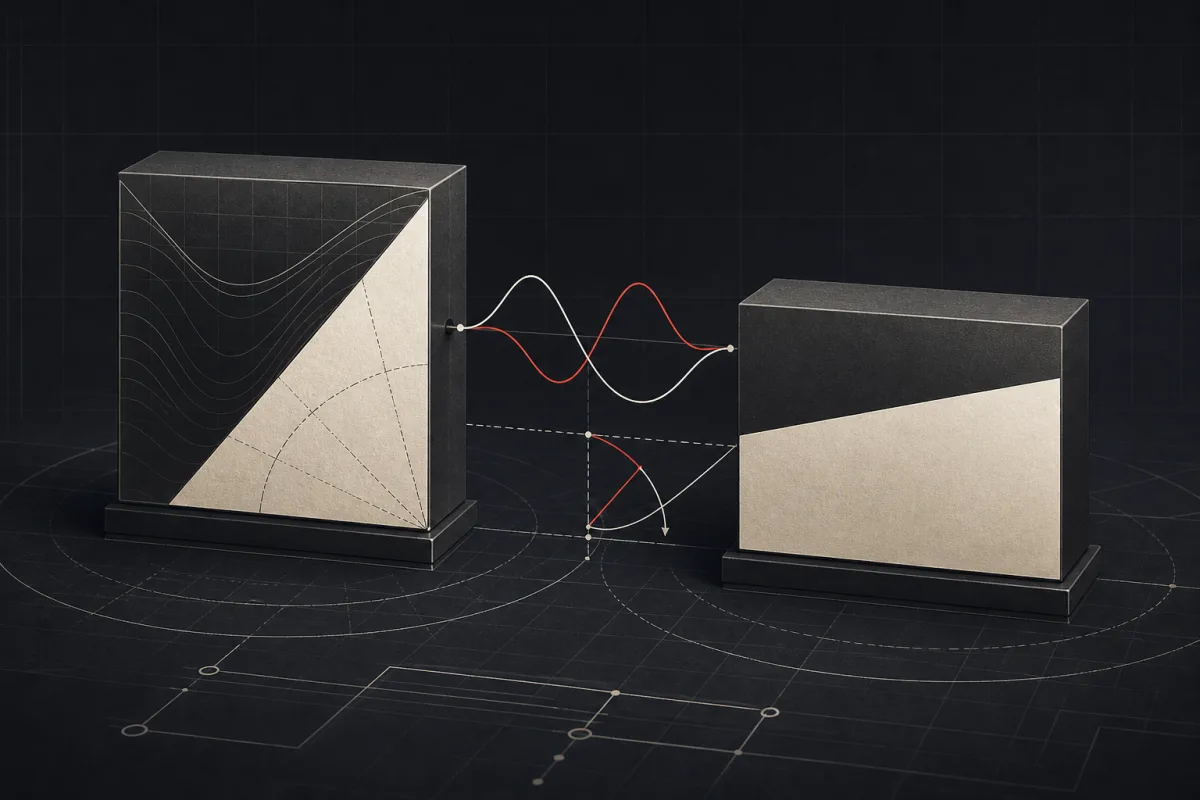
UPS kVA vs kW: How Power Factor Changes the Capacity You Can Use
Select a UPS only after converting the protected load into both kW and kVA. Use the checks below to turn that question into a comparable supplier requirement.
Engineering guidance
Make a better power-system decision.
Every article answers a real buyer question — which battery chemistry, which topology, which voltage, which model for which environment — with the parameters and trade-offs an engineer needs to decide. Each links through to the relevant products and solutions.
Have a specific question?
Tell us your load and we'll advise.
Use these guides to frame the requirement, then send the load, voltage, runtime and destination for a configuration review.