Insights
UPS selection, standards & application guides.
Practical engineering guidance for specifying lithium UPS and power inverters, covering selection logic, voltage standards, topology and real application requirements.
OEM & Procurement guides.
Showing 1–12 of 12 guides
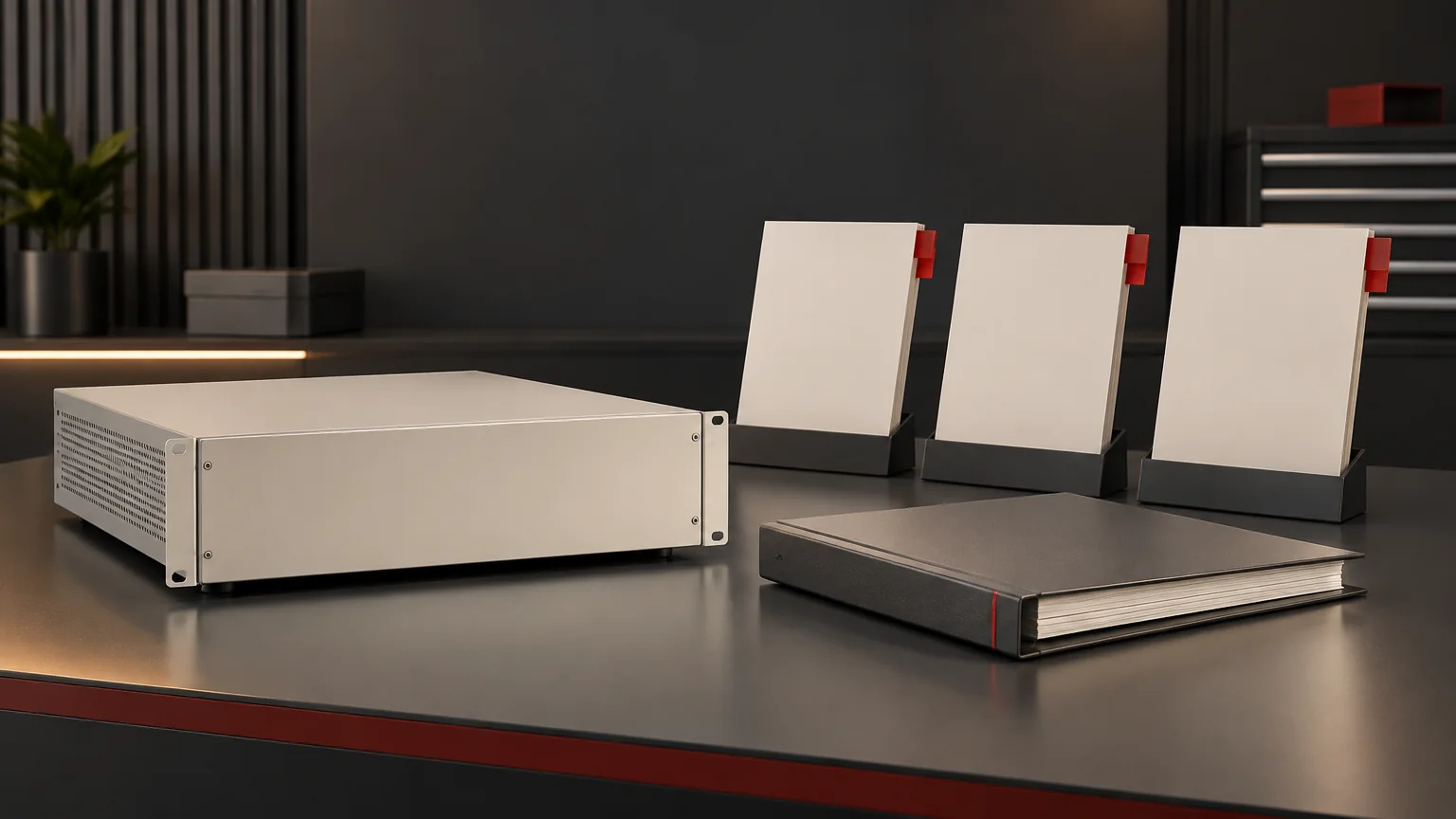
Specify a Usable English UPS Handover Pack
Specify an English UPS handover pack by installation, operation and support tasks, with applicable documents, revisions and recipient acceptance.
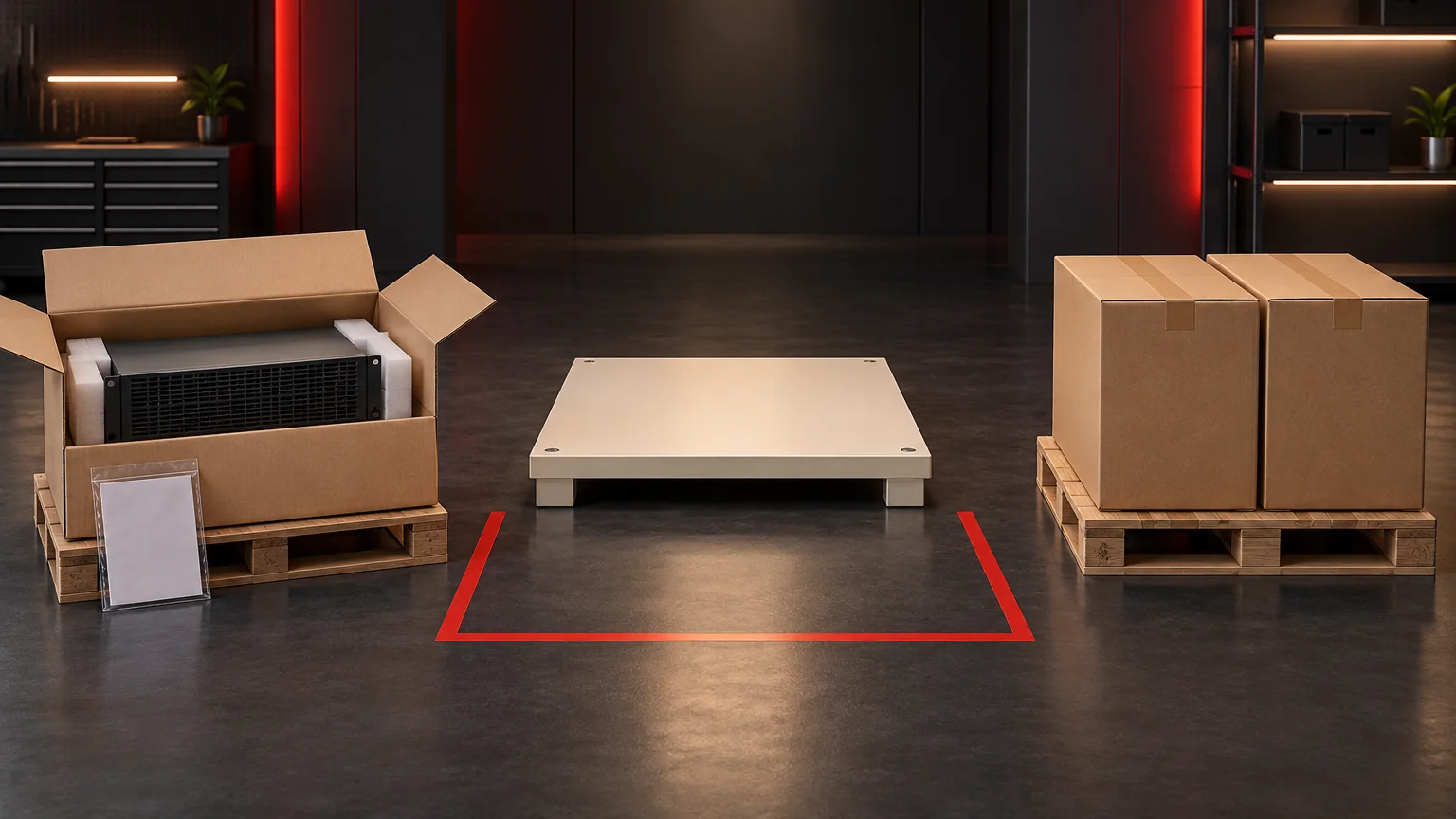
Coordinate Split UPS and Battery Deliveries for Installation Readiness
Coordinate split UPS and battery deliveries with configuration tracking, safe receiving, custody records and complete-system installation readiness.

Compare UPS Quotations on the Same Delivered-System Scope
Compare UPS quotations using one delivered-system scope for batteries, accessories, monitoring, services and documents before confirming the order.

Evaluating a UPS Manufacturer for Distribution: Product, Evidence and Support
Evaluate a UPS manufacturer for distribution through product-market fit, scoped evidence, change control, support readiness and a pilot-order record before discussing territory.
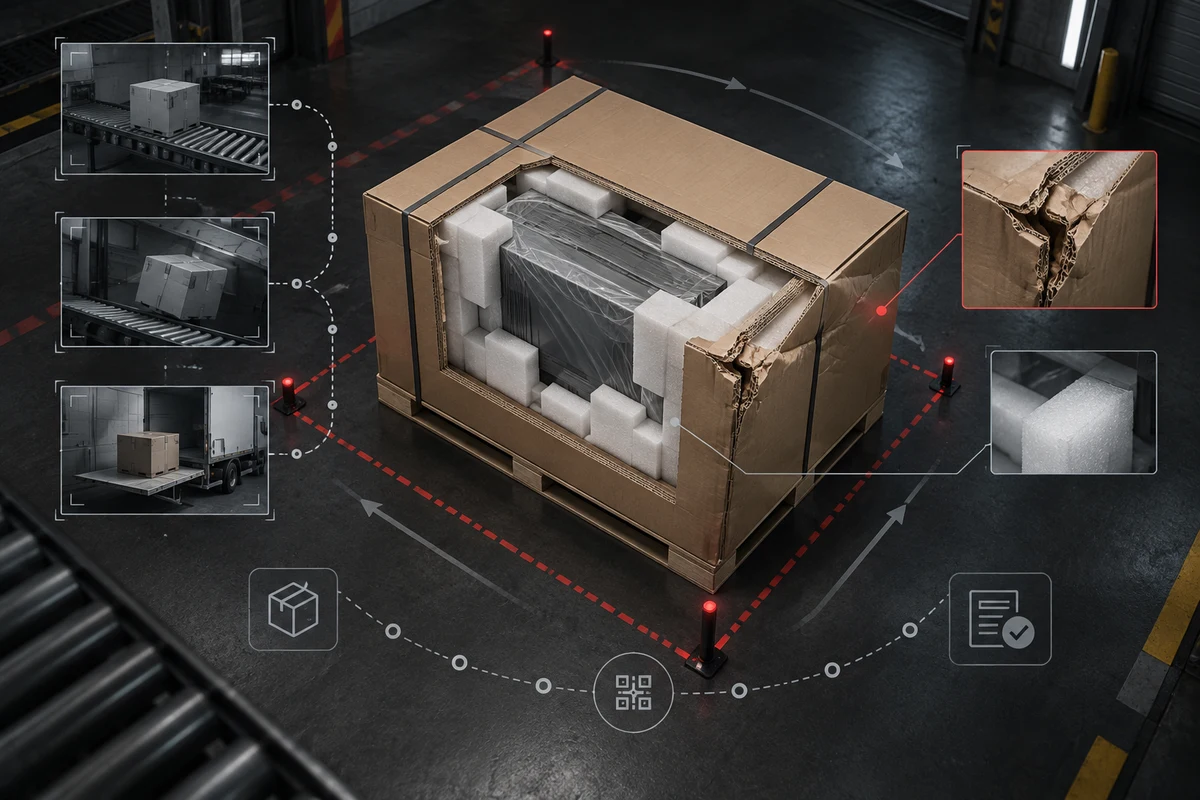
UPS Packaging and Transit-Damage Acceptance Checklist
Inspect UPS cargo before signing, preserve packaging and serial evidence, notify the carrier and supplier promptly, and keep damaged electrical equipment de-energized.

UPS Lead-Time Planning: Separate Standard, Custom and High-Quantity Orders
Plan UPS lead time as a chain of dated decisions rather than one supplier promise. The following engineering and procurement checks make the answer measurable before an order is placed.
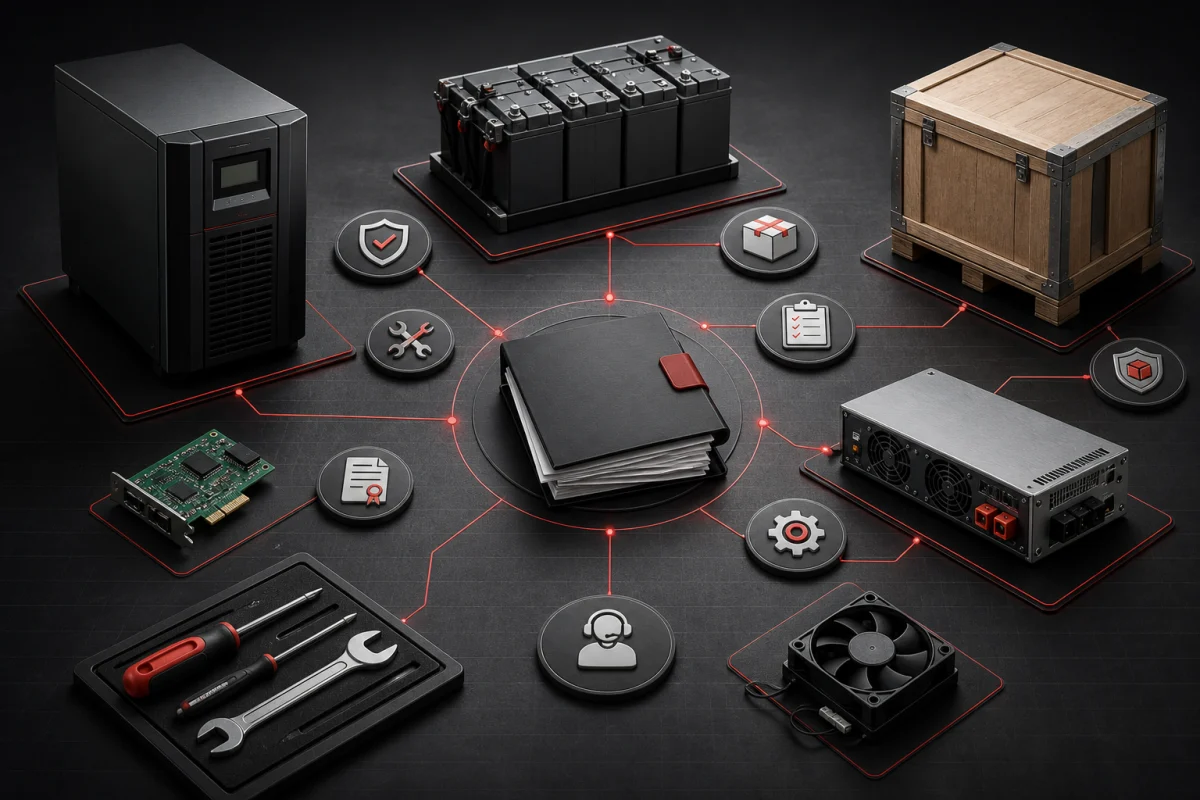
UPS Warranty Review: Separate the Main Unit, Battery and Inverter Scope
Review a UPS warranty as a configuration-level responsibility matrix. The following engineering and procurement checks make the answer measurable before an order is placed.
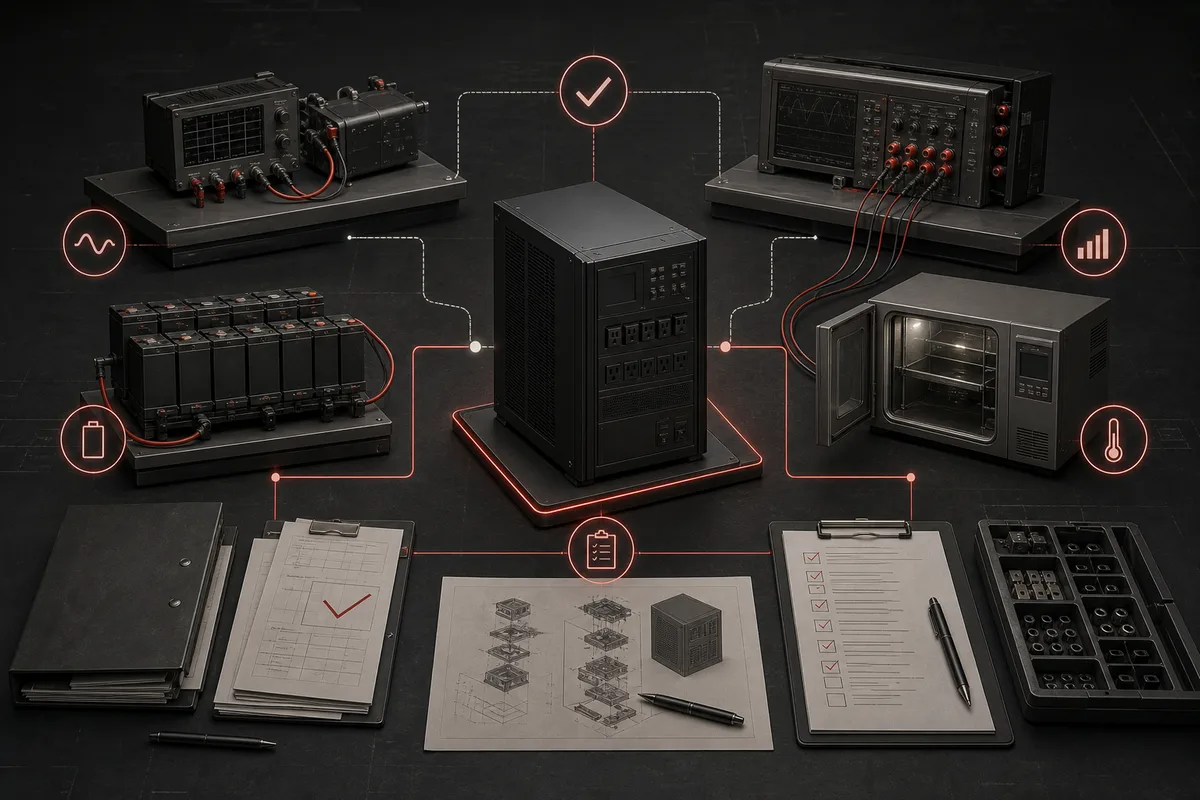
Build a UPS Sample Validation Plan and Close Shipment Deviations
Plan UPS sample validation, preserve the accepted configuration and close production-to-shipment deviations through review and affected verification.
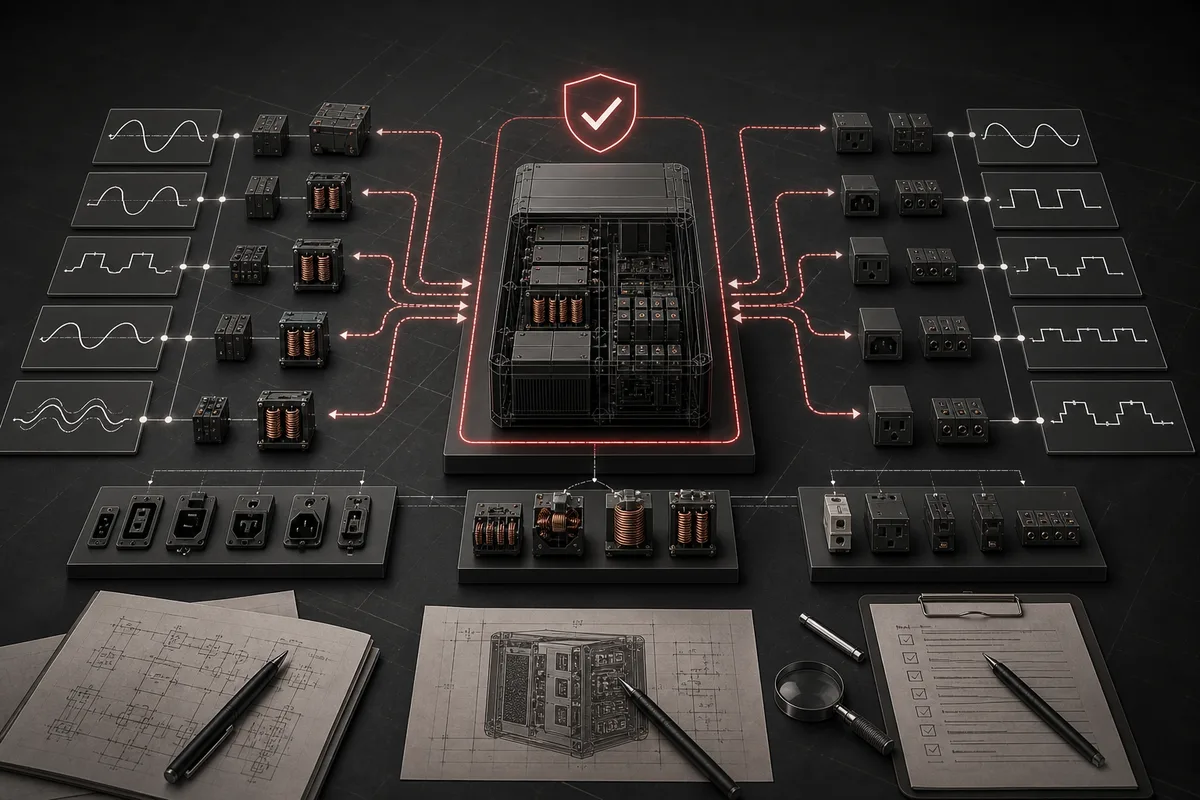
Custom-Voltage UPS Projects: How to Freeze the Electrical Specification
Freeze a custom-voltage UPS project with a signed input/output matrix covering nominal values, operating ranges, frequency, phase, connectors, grounding, bypass and the protected load. The result is a decision record that engineering, procurement and the supplier can all verify.
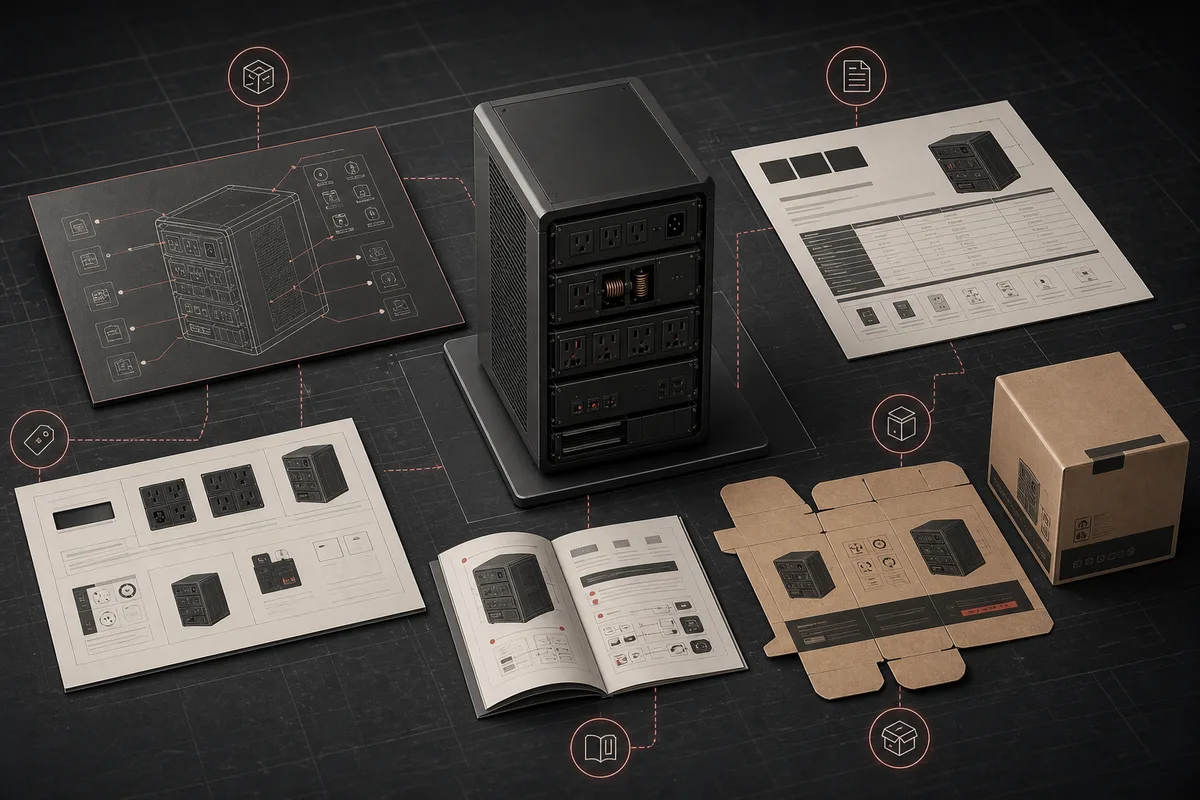
Private-Label UPS Documentation: Model Codes, Datasheets, Manuals and Labels
Private-label UPS documents must describe the same shipped configuration. A buyer can use this guide to define the input, evidence and acceptance result before comparing models.
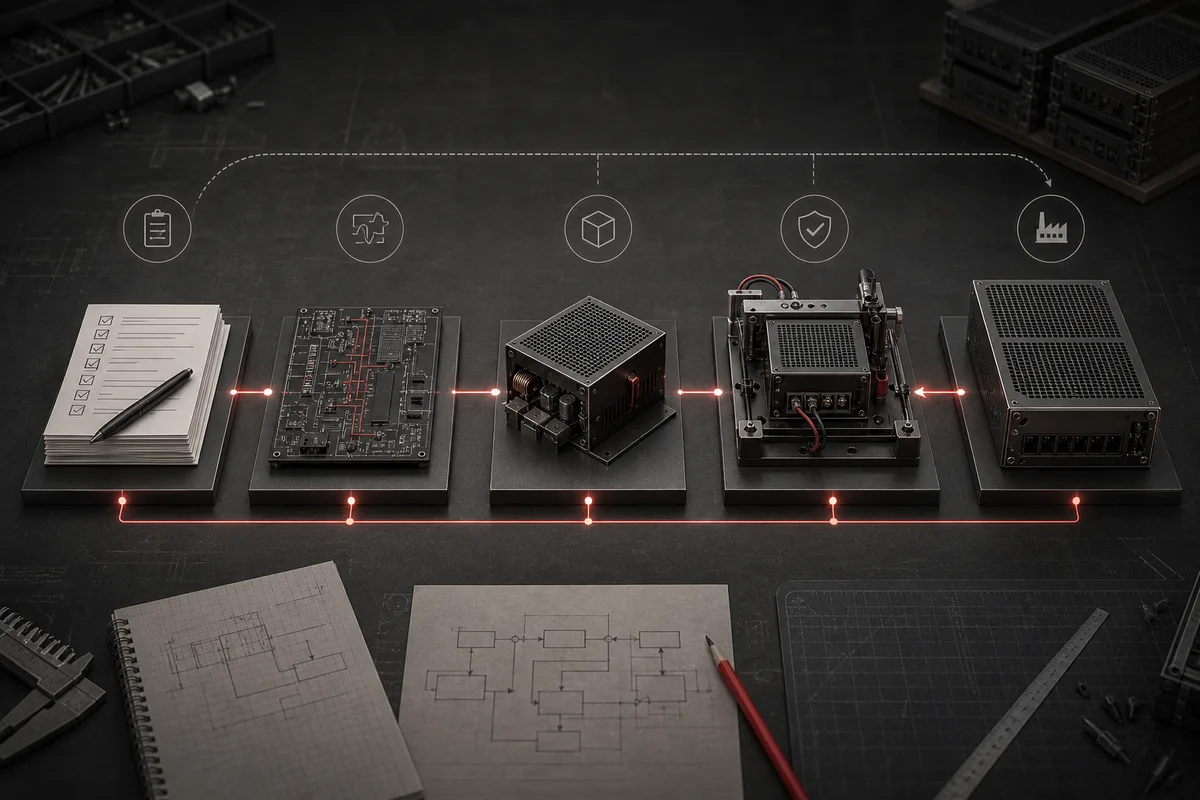
From Requirement to Mass Production: A Five-Stage OEM UPS Workflow
A controlled OEM UPS workflow moves through requirements, proposal and branded design, prototype and aging test, sample approval, then mass production. The following engineering and procurement checks make the answer measurable before an order is placed.
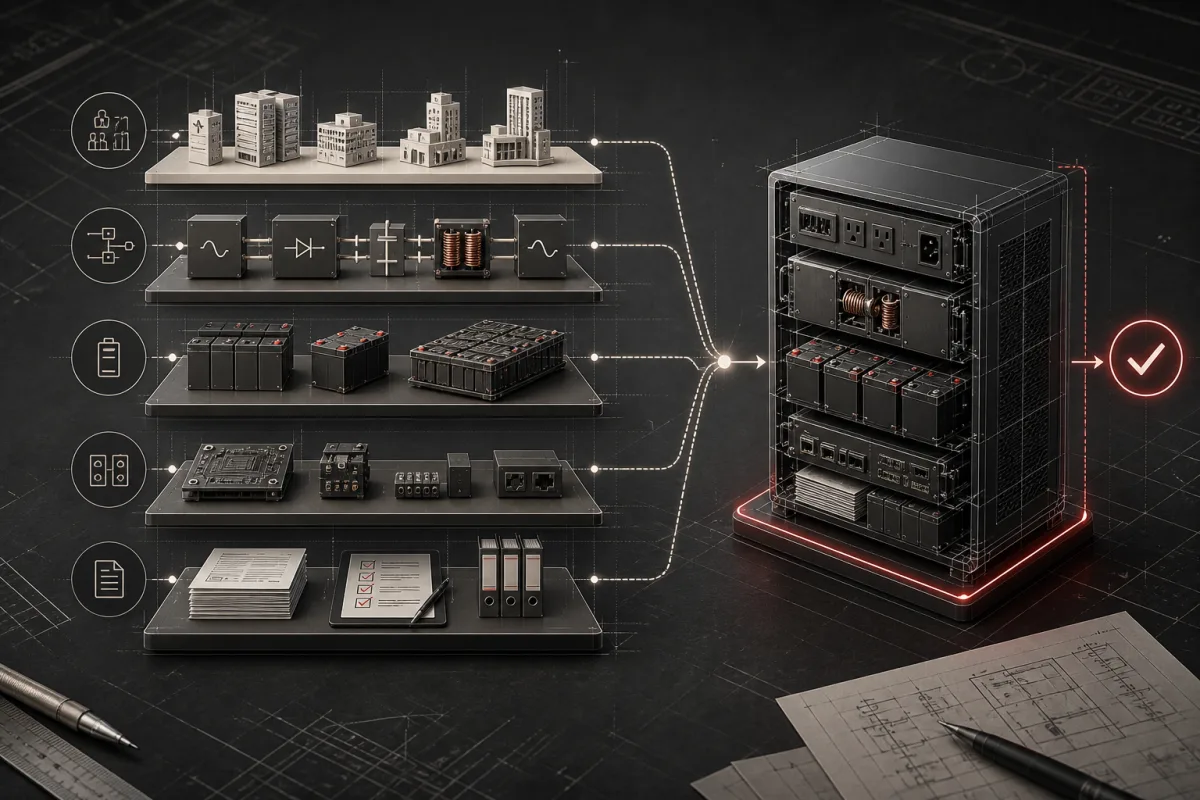
OEM Lithium UPS Requirements Brief: What to Decide Before Design Starts
An OEM lithium UPS brief should freeze application, load, topology, voltage and frequency, runtime, battery architecture, environment, interfaces, target market, branding and evidence before detailed design. Use the checks below to turn that question into a comparable supplier requirement.
Engineering guidance
Make a better power-system decision.
Every article answers a real buyer question — which battery chemistry, which topology, which voltage, which model for which environment — with the parameters and trade-offs an engineer needs to decide. Each links through to the relevant products and solutions.
Have a specific question?
Tell us your load and we'll advise.
Use these guides to frame the requirement, then send the load, voltage, runtime and destination for a configuration review.