Insights
UPS selection, standards & application guides.
Practical engineering guidance for specifying lithium UPS and power inverters, covering selection logic, voltage standards, topology and real application requirements.
Utility & Industrial guides.
Showing 1–11 of 11 guides
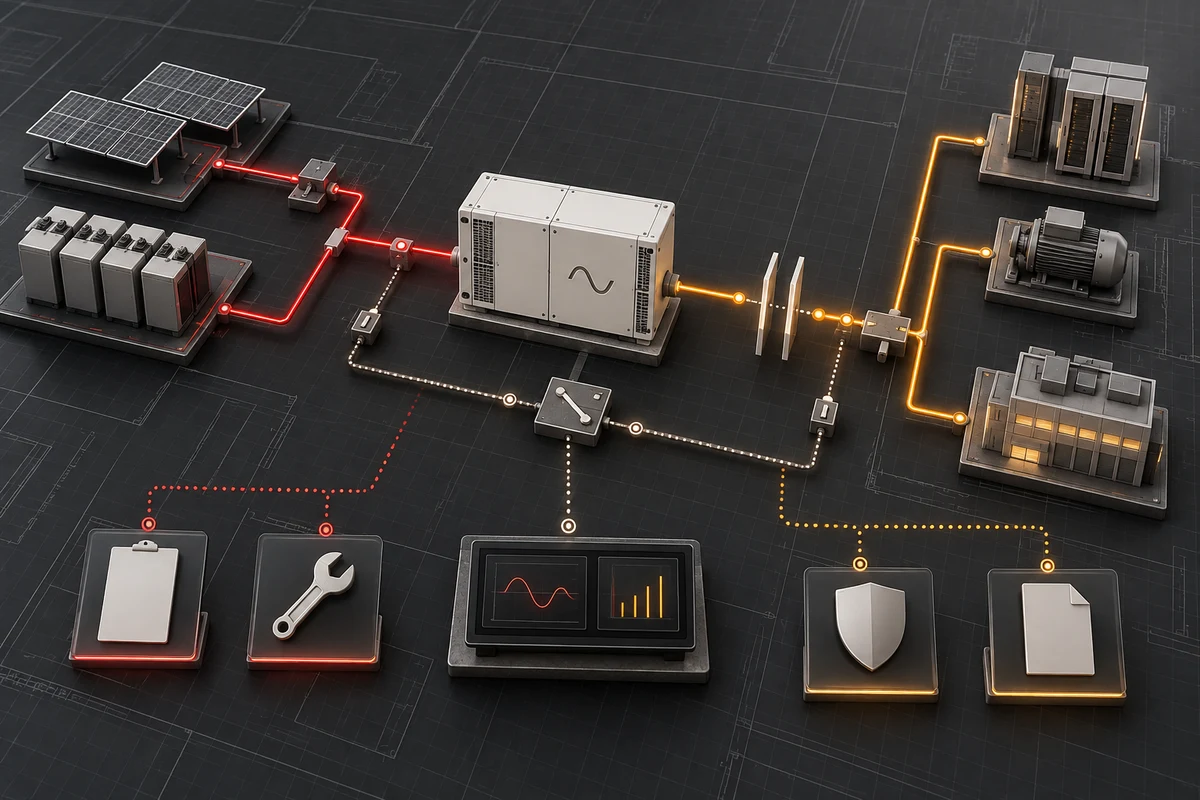
Utility Inverter RFQ Template for Substations and Power Plants
A comparable utility-inverter RFQ starts with the station DC bus and the required source-to-load behavior. It focuses the discussion on project conditions, configuration scope and evidence rather than catalogue shorthand.
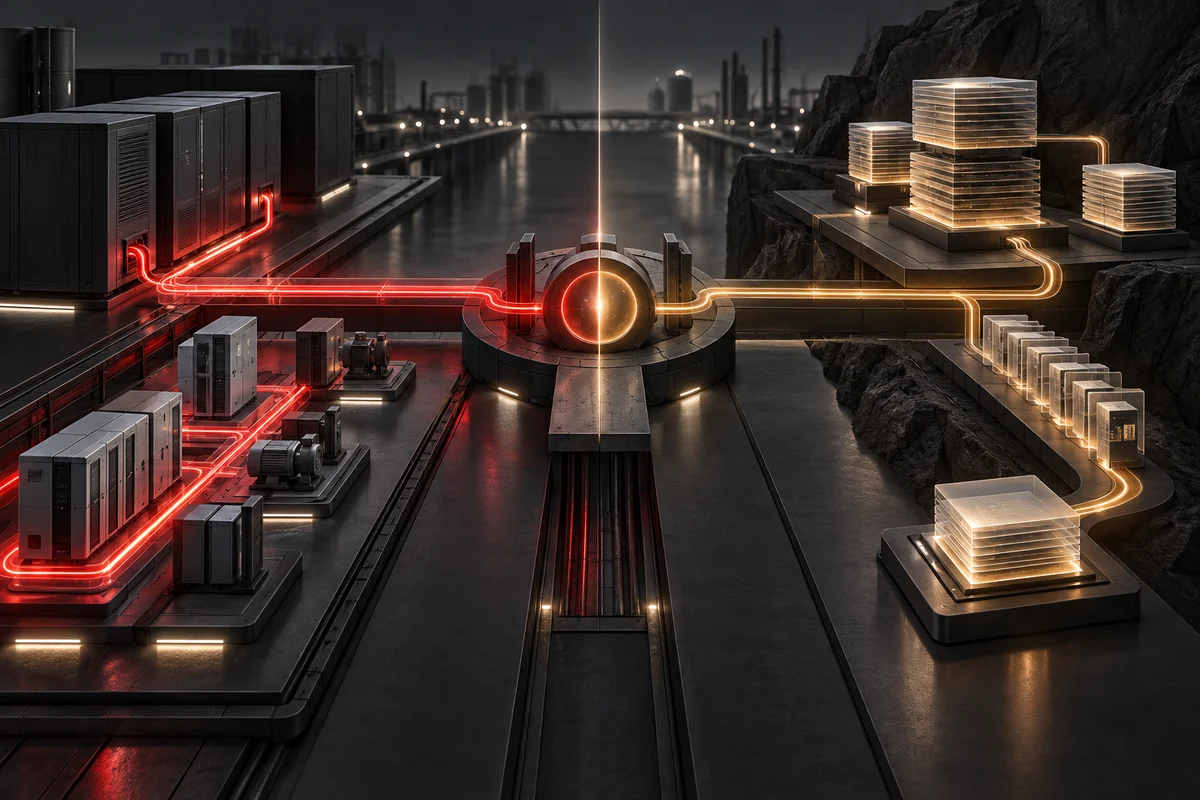
The UPS Role in OT Resilience: Power Continuity Is Not Data Backup
A UPS supports OT resilience by keeping defined controllers, communications and supporting equipment energized through selected power events. It focuses the discussion on project conditions, configuration scope and evidence rather than catalogue shorthand.
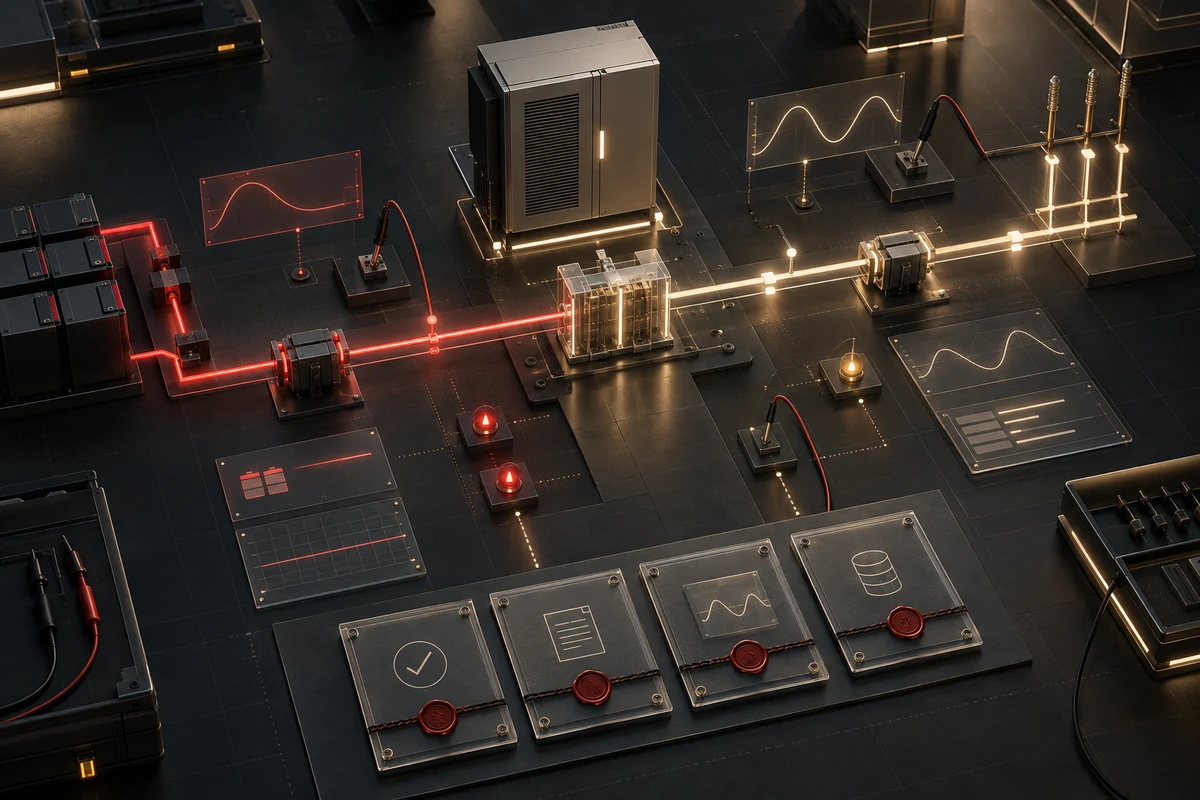
Commissioning a Utility DC-to-AC Inverter: Evidence to Record
Utility inverter commissioning should leave evidence that the installed configuration matches the approved design and behaves correctly through normal, backup, bypass and abnormal conditions. It focuses the discussion on project conditions, configuration scope and evidence rather than catalogue shorthand.
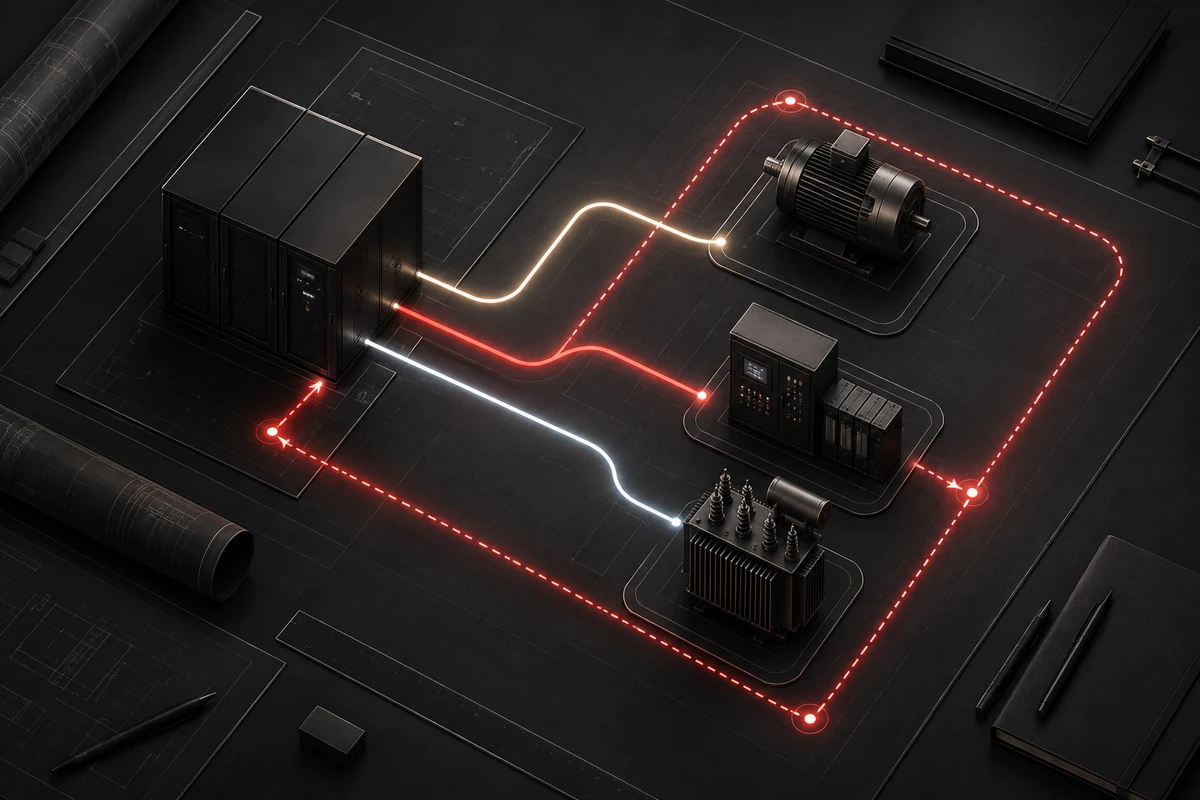
Building a Load List for a Three-Phase Industrial UPS
Build a three-phase industrial UPS load list at equipment and phase level. It focuses the discussion on project conditions, configuration scope and evidence rather than catalogue shorthand.
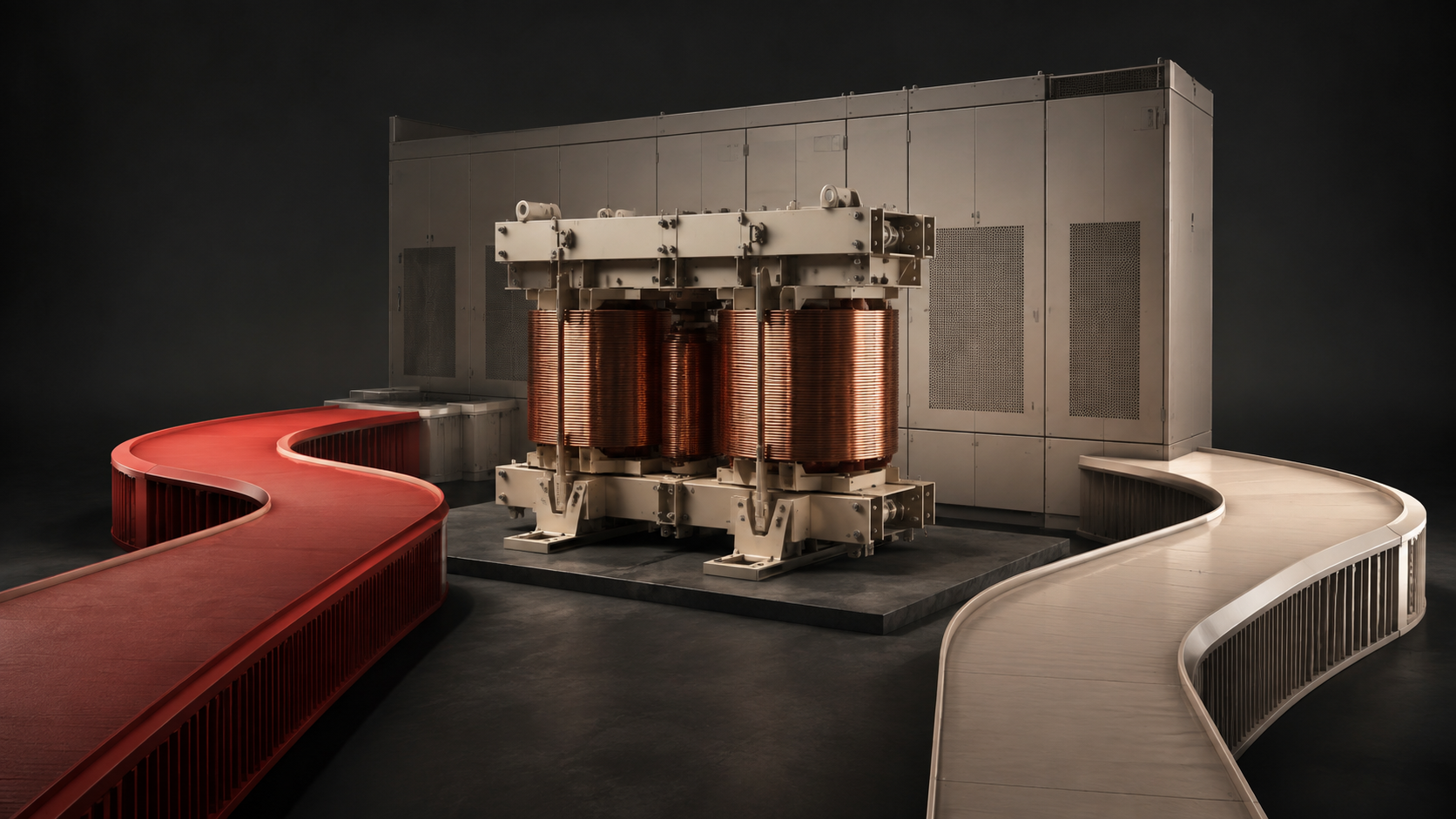
Low-Frequency UPS: Check Isolation Through Every Power Path
Evaluate a transformer-based industrial UPS through its inverter, battery and bypass paths, with a supplier drawing checklist and practical load boundaries.
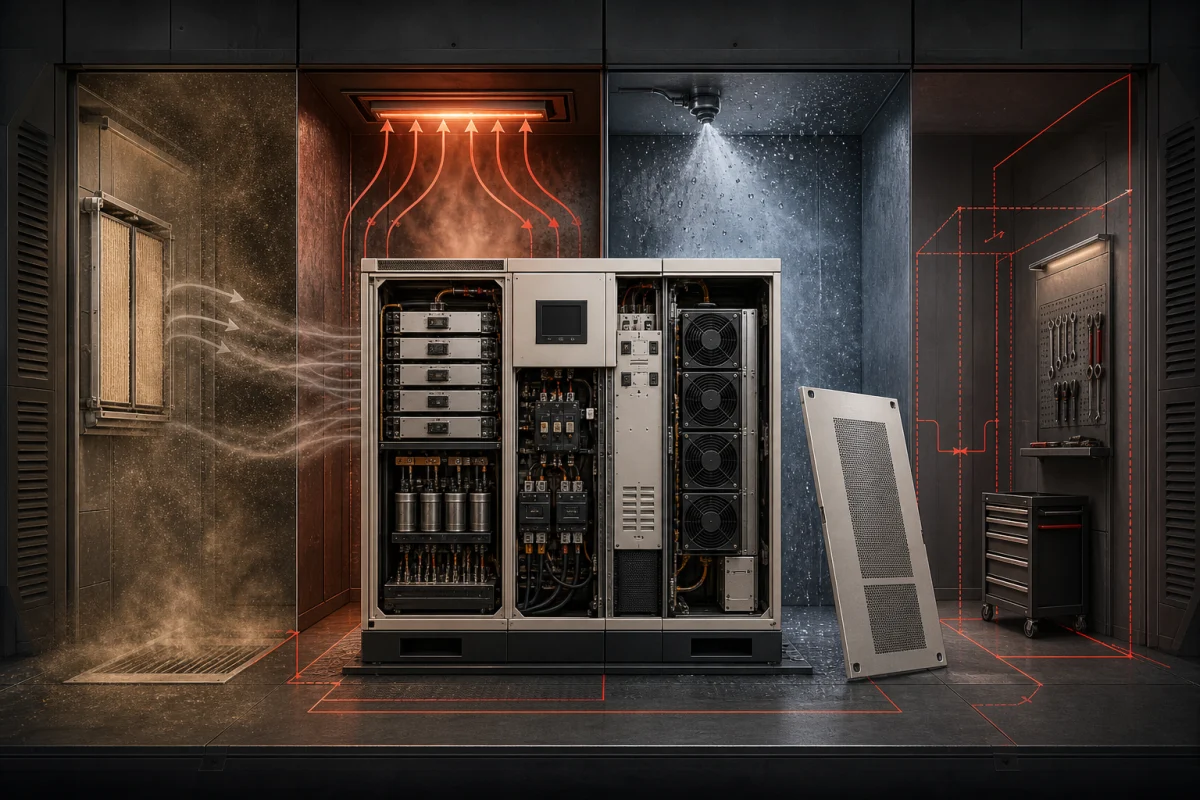
Industrial UPS Site Conditions: Dust, Heat, Salt Mist and Service Access
Industrial UPS selection must include the installation environment as an engineering input. The result is a decision record that engineering, procurement and the supplier can all verify.
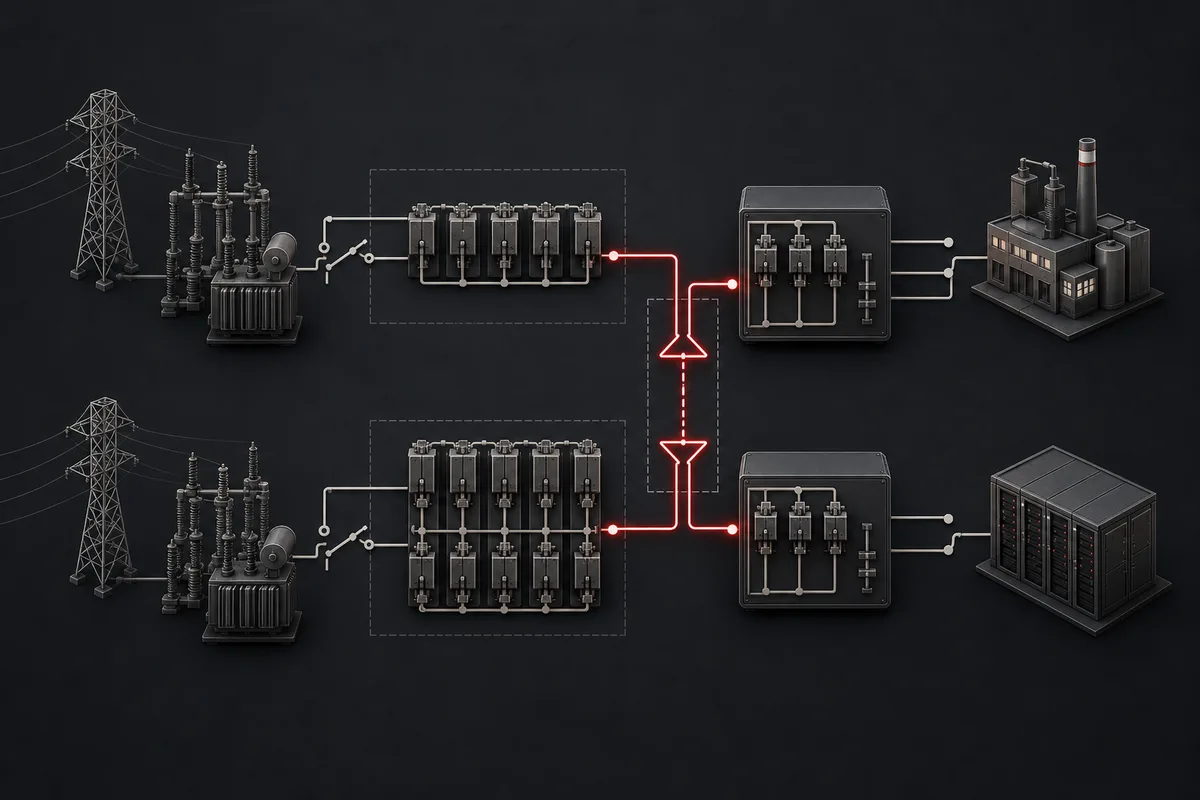
110 VDC vs 220 VDC Utility Inverter Selection
Choose 110 VDC or 220 VDC inverter input from the actual station battery system and its operating range. It focuses the discussion on project conditions, configuration scope and evidence rather than catalogue shorthand.
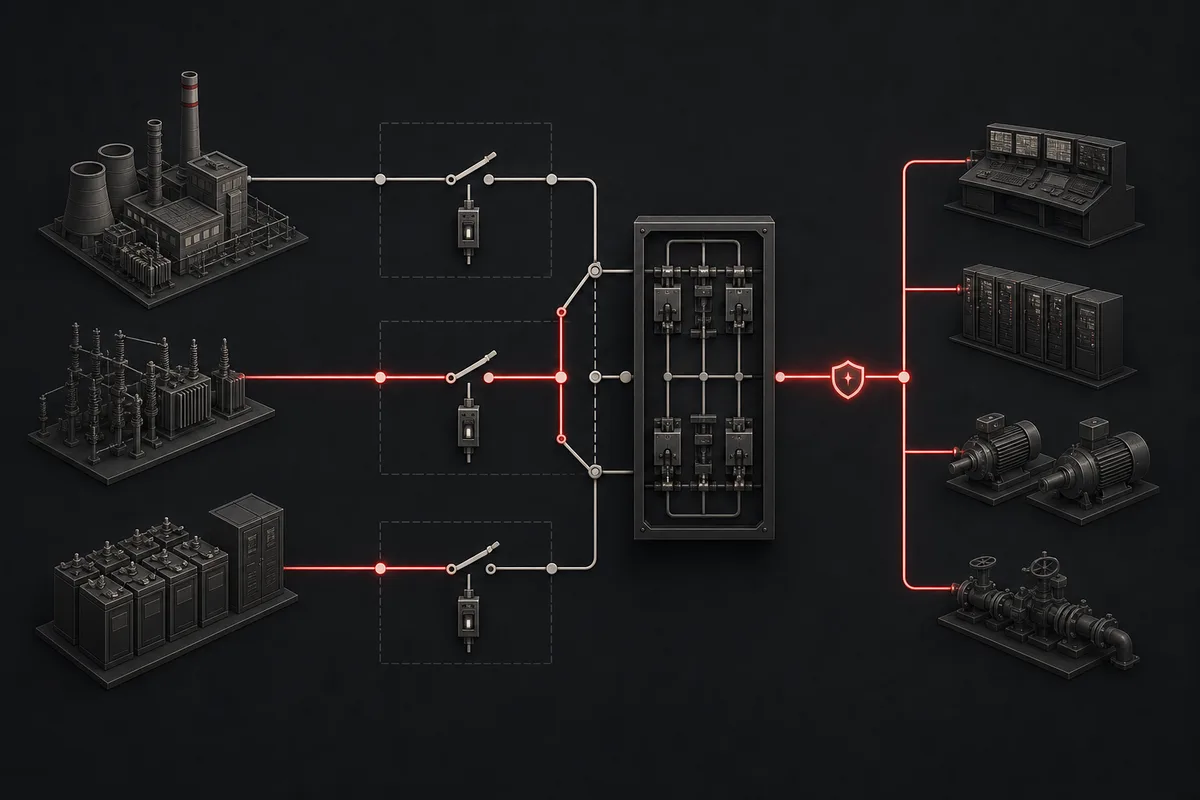
Power-Plant Inverter Transfer Paths: AC Normal, DC Backup and Bypass
A power-plant inverter may have AC normal, DC backup and bypass paths with different transfer behavior. The result is a decision record that engineering, procurement and the supplier can all verify.
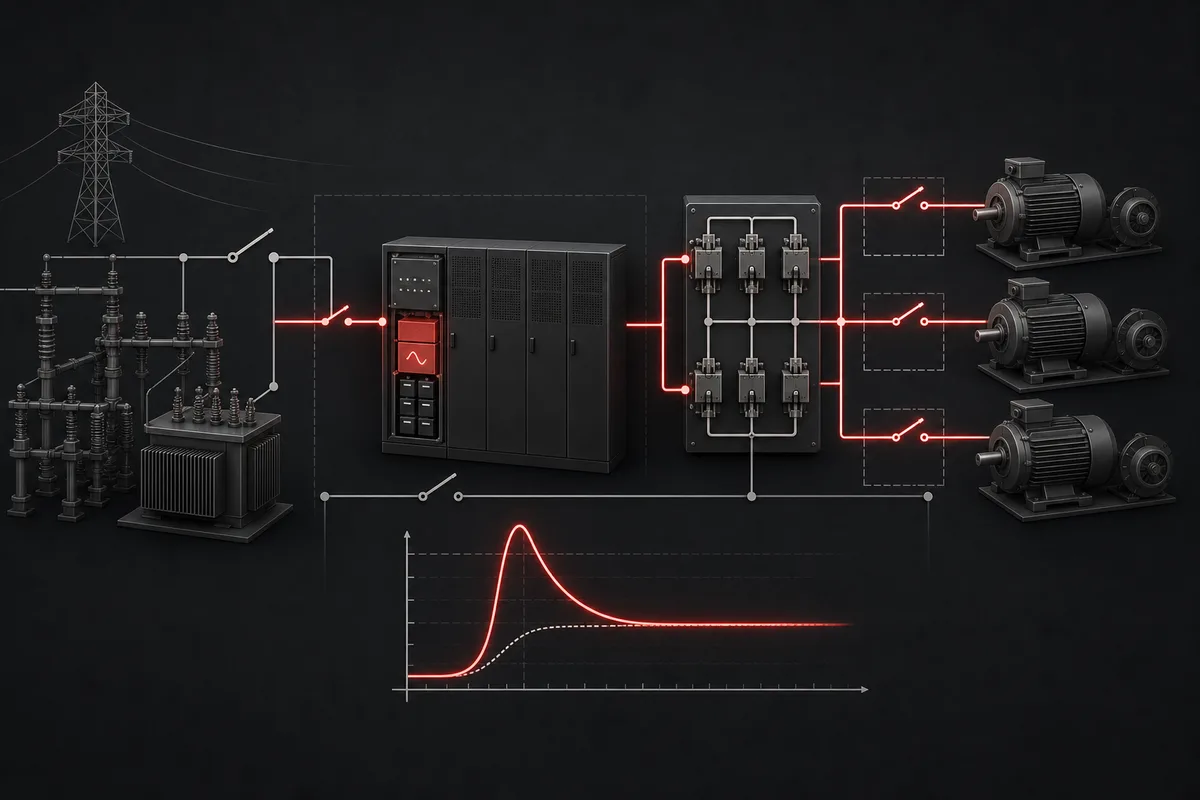
Sizing an Industrial UPS for Motors, Contactors and High-Inrush Loads
Motors, contactors, transformers and other industrial loads can demand much more power during starting or switching than during steady operation. A buyer can use this guide to define the input, evidence and acceptance result before comparing models.
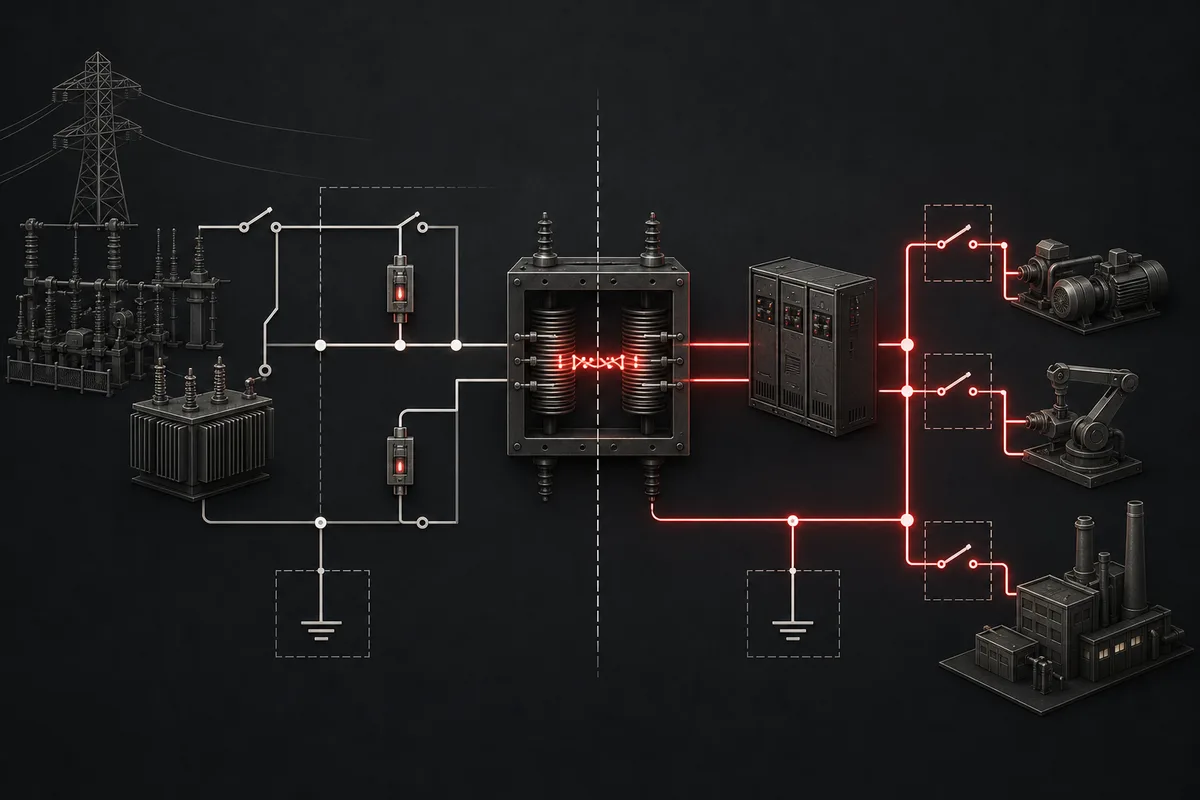
Why Galvanic Isolation Matters in Power-Utility Inverter Projects
Galvanic isolation can separate input and output circuits, support a required grounding architecture and limit unwanted current paths, but it is not a universal safety guarantee. The following engineering and procurement checks make the answer measurable before an order is placed.
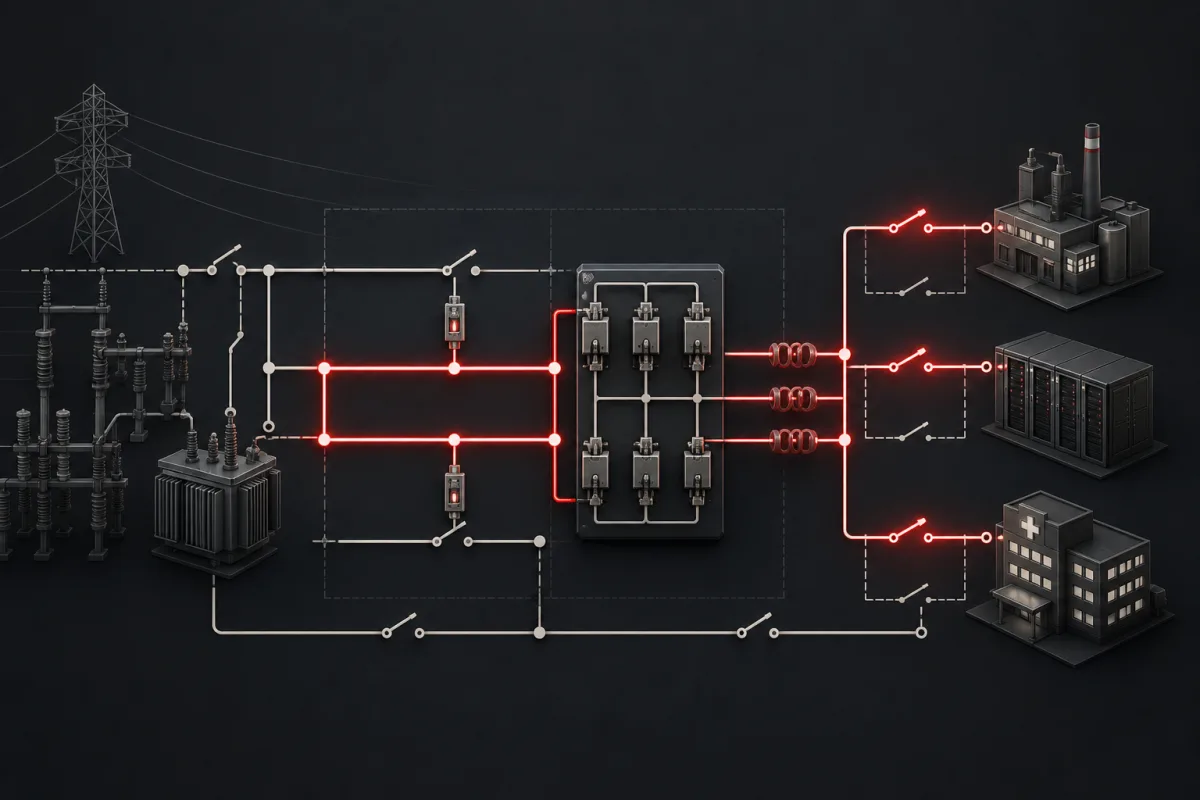
Substation DC-Bus Inverters: Converting 110/220 VDC for Critical AC Loads
A substation DC-bus inverter converts protected station DC into AC for selected control, communications or auxiliary loads. Use the checks below to turn that question into a comparable supplier requirement.
Engineering guidance
Make a better power-system decision.
Every article answers a real buyer question — which battery chemistry, which topology, which voltage, which model for which environment — with the parameters and trade-offs an engineer needs to decide. Each links through to the relevant products and solutions.
Have a specific question?
Tell us your load and we'll advise.
Use these guides to frame the requirement, then send the load, voltage, runtime and destination for a configuration review.