Insights
UPS selection, standards & application guides.
Practical engineering guidance for specifying lithium UPS and power inverters, covering selection logic, voltage standards, topology and real application requirements.
UPS Selection guides.
Showing 1–10 of 10 guides

UPS Daisy Chaining Is Not an Extended-Runtime Design
Understand UPS daisy-chain demand and waveform interactions, then compare supported host and battery routes for the required backup task.

Choosing a UPS for High-Altitude Sites
Read full-rating altitude, permitted derating and maximum operating limits together before selecting UPS capacity for a high-altitude site.

Choosing UPS Backup for a Laser Printer and Office IT
Decide whether printing belongs on office backup, then evaluate the printer maximum demand, operating cycle and shared IT requirements.

Choosing a Transformer-Based UPS for Noise-Sensitive Rooms
Compare transformer-based UPS sound data by acoustic quantity, operating state and room conditions before choosing an occupied-space installation.

PoE Budget vs UPS Load in a Campus Network Closet
Separate PoE port allocation, endpoint demand and switch AC input when planning campus UPS capacity, without counting downstream watts twice.

Choose a Load Bank for the UPS Acceptance Question
Match a UPS load bank to voltage, phase, power factor, steps and test objectives, and record which claims the demonstration leaves unproved.

Survey UPS Loads That Use External Power Adapters
If a UPS feeds a device through its AC adapter, record demand at the adapter's AC input boundary.
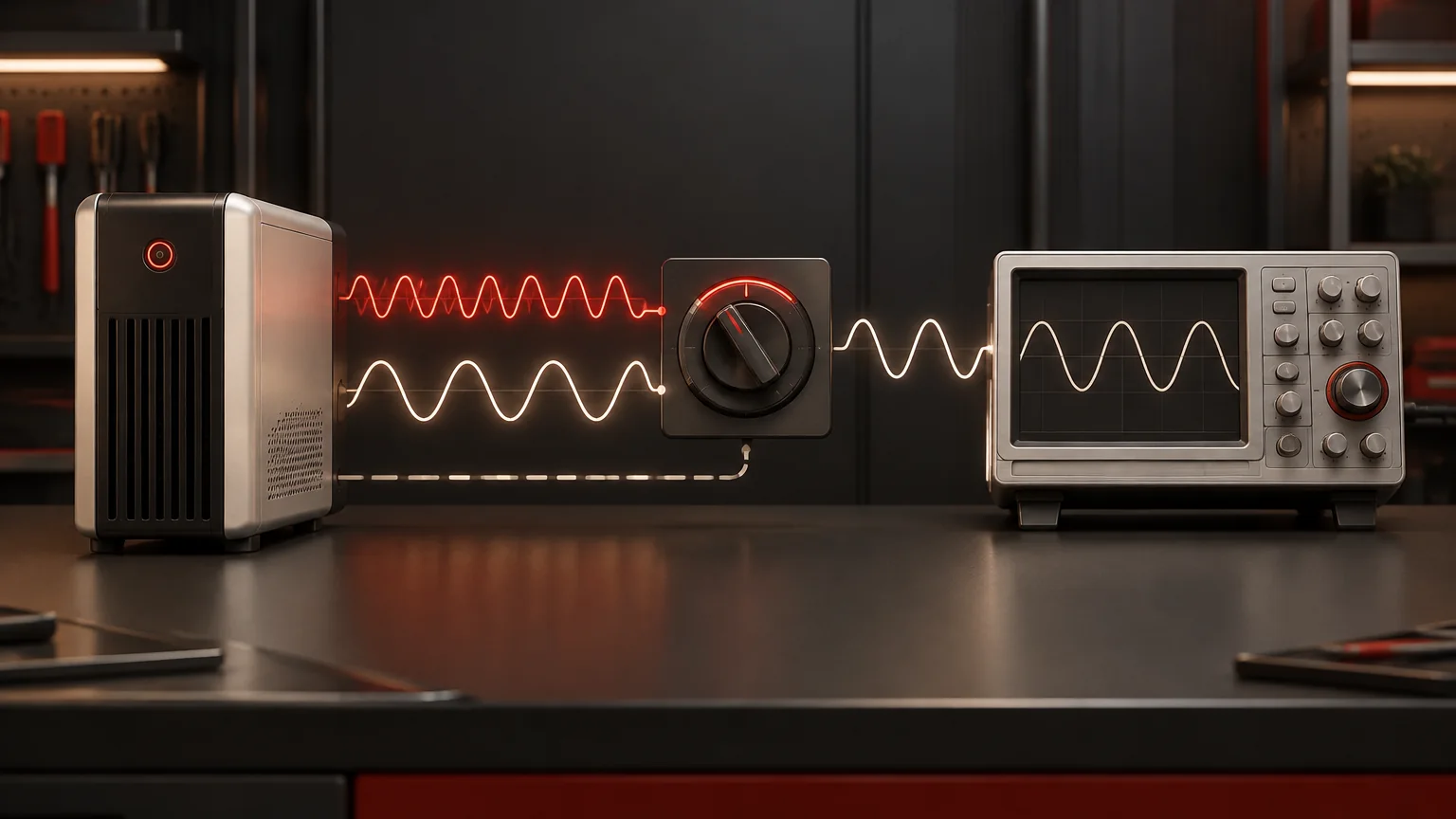
Does an Online UPS Also Convert Frequency?
Online double conversion describes a power-conversion path, not a guarantee of fixed-frequency conversion.

When Should a Facility Choose a Three-Phase UPS?
Choose UPS input/output phases using supply, per-phase load, voltage and bypass requirements, with a scoped Highidea 33ET example.
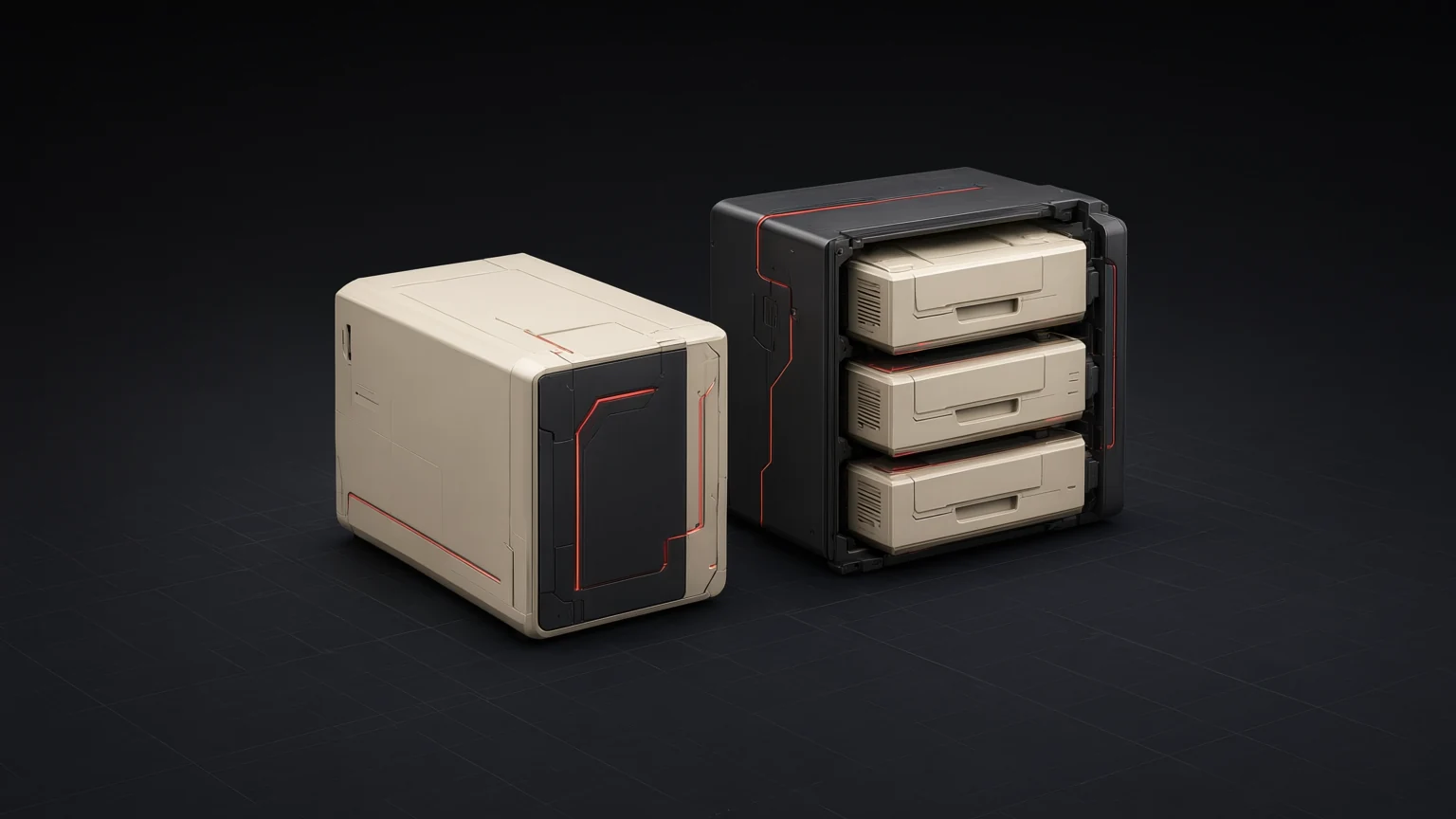
ET vs C Series Online UPS: Compare Battery Chemistry Without Confusing Topology
Compare Highidea ET and C online UPS by topology, battery chemistry, watts, runtime and installed configuration, with no blanket lifecycle claims.
Engineering guidance
Make a better power-system decision.
Every article answers a real buyer question — which battery chemistry, which topology, which voltage, which model for which environment — with the parameters and trade-offs an engineer needs to decide. Each links through to the relevant products and solutions.
Have a specific question?
Tell us your load and we'll advise.
Use these guides to frame the requirement, then send the load, voltage, runtime and destination for a configuration review.