Insights
UPS selection, standards & application guides.
Practical engineering guidance for specifying lithium UPS and power inverters, covering selection logic, voltage standards, topology and real application requirements.
Power Inverters guides.
Showing 1–6 of 6 guides

Rack Inverter Undervoltage: Specify Shutdown and Recovery Separately
Specify rack inverter undervoltage shutdown, restart permission and stable recovery separately, with a state record and a hypothetical restart sequence.

Review an Inverter with the DC Insulation-Monitoring System
Review a station inverter and insulation monitor together through actual topology, capacitance limits, monitored boundaries and supplier evidence.

Telecom DC Input: Voltage, Return and Protective Earth
Specify telecom inverter DC voltage, polarity, return and protective-earth relationships as separate interface requirements before installation.

Why Inverter kVA Divided by 48 V Is Not DC Input Current
Estimate inverter DC input current using real watts, total efficiency and terminal voltage, without confusing steady estimates with feeder design.

Modular, Parallel, Redundant or Hot-Swappable Inverters?
These four terms answer different questions.
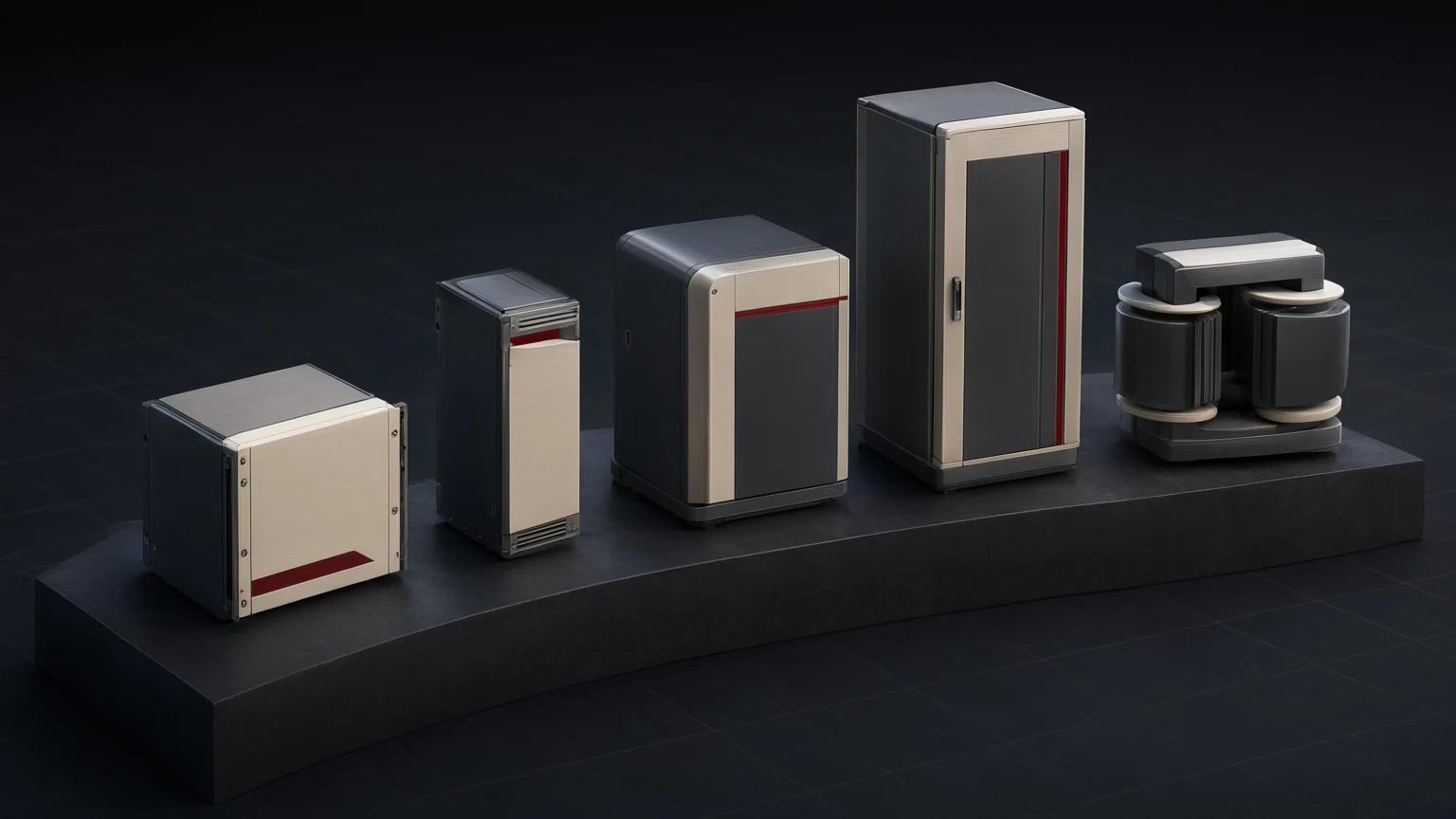
H, HB, HT and HTT Inverters: Which Features Must Be Specified Separately?
Distinguish H, H Pro, HB, HT and HTT by documented variant features, power paths, transformer arrangement and model-specific quotation requirements.
Engineering guidance
Make a better power-system decision.
Every article answers a real buyer question — which battery chemistry, which topology, which voltage, which model for which environment — with the parameters and trade-offs an engineer needs to decide. Each links through to the relevant products and solutions.
Have a specific question?
Tell us your load and we'll advise.
Use these guides to frame the requirement, then send the load, voltage, runtime and destination for a configuration review.