Insights
UPS selection, standards & application guides.
Practical engineering guidance for specifying lithium UPS and power inverters, covering selection logic, voltage standards, topology and real application requirements.
Data Centre guides.
Showing 1–11 of 11 guides

Build a Campus UPS Tender with Common Requirements and Site Schedules
Build a campus UPS tender with common requirements, building-specific schedules, configuration groups and clear installation handover responsibilities.
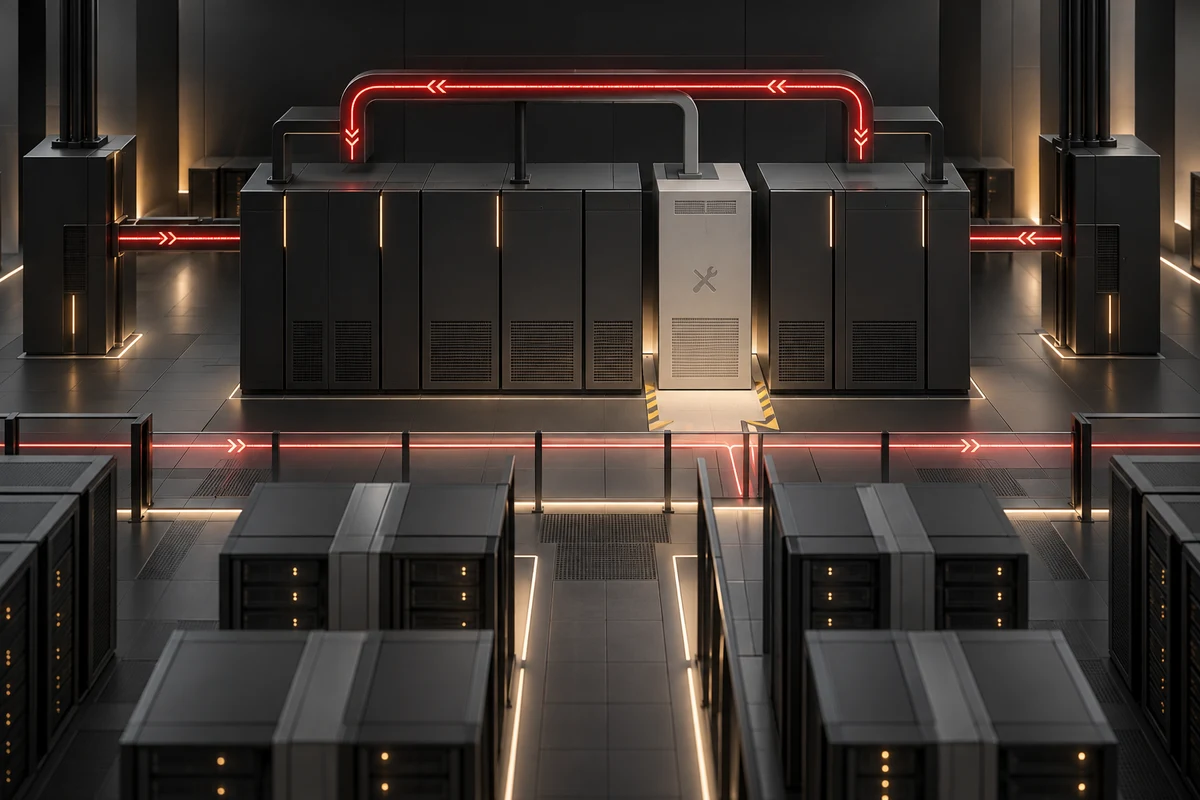
Planning UPS Maintenance Without an Unplanned IT Outage
Plan UPS maintenance as a controlled change to the complete source-to-load path. A buyer can use this guide to define the input, evidence and acceptance result before comparing models.
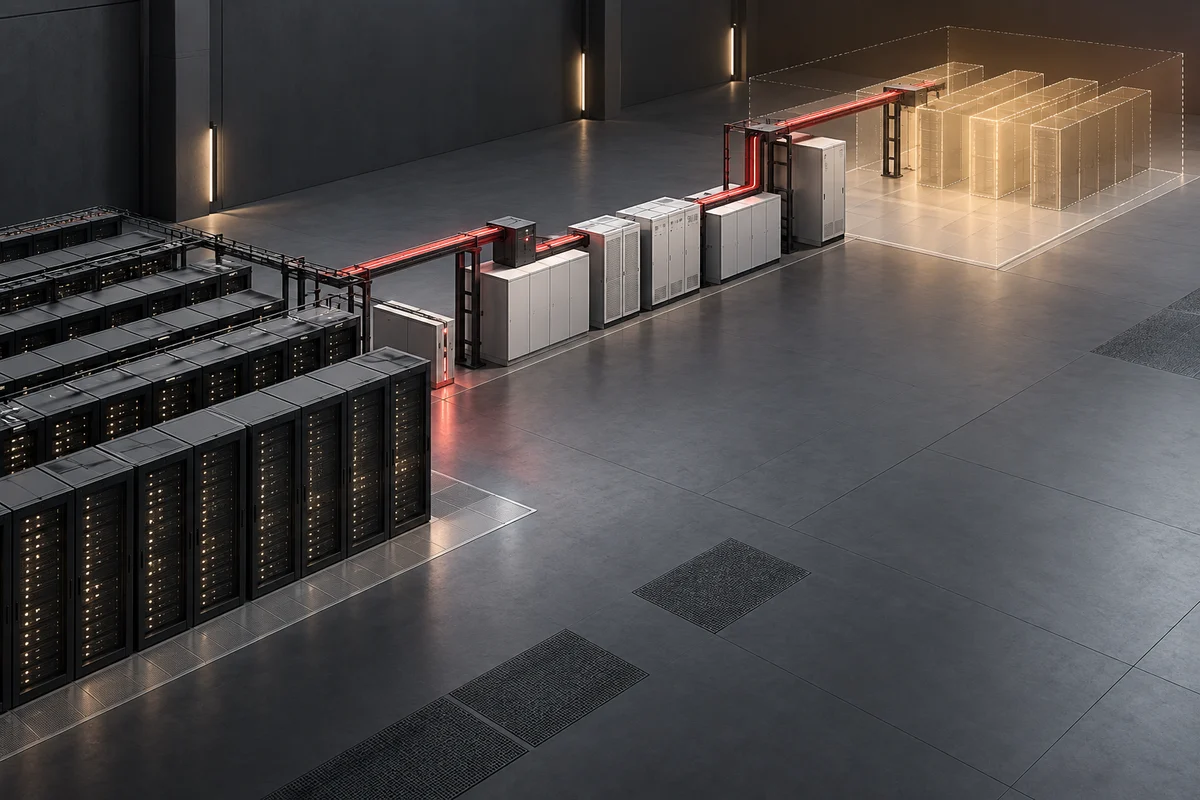
How Much Growth Margin Should You Put in a Data-Centre UPS?
Choose data-centre UPS growth margin from a dated load forecast and an expansion architecture, not a universal spare-capacity percentage. A buyer can use this guide to define the input, evidence and acceptance result before comparing models.
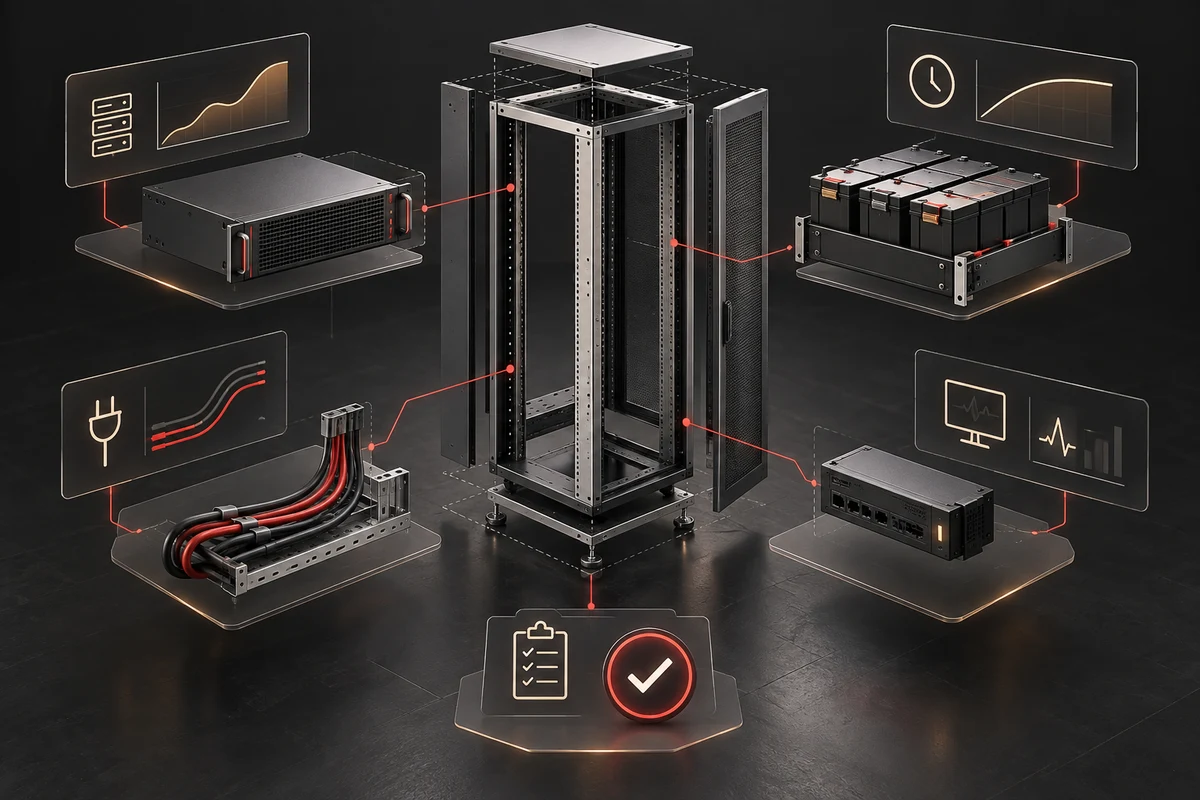
Rack UPS RFQ Template for Data Centres and Server Rooms
A comparable rack UPS RFQ needs one controlled data set for load, source, output, autonomy, redundancy, rack fit, battery architecture, interfaces and acceptance. A buyer can use this guide to define the input, evidence and acceptance result before comparing models.
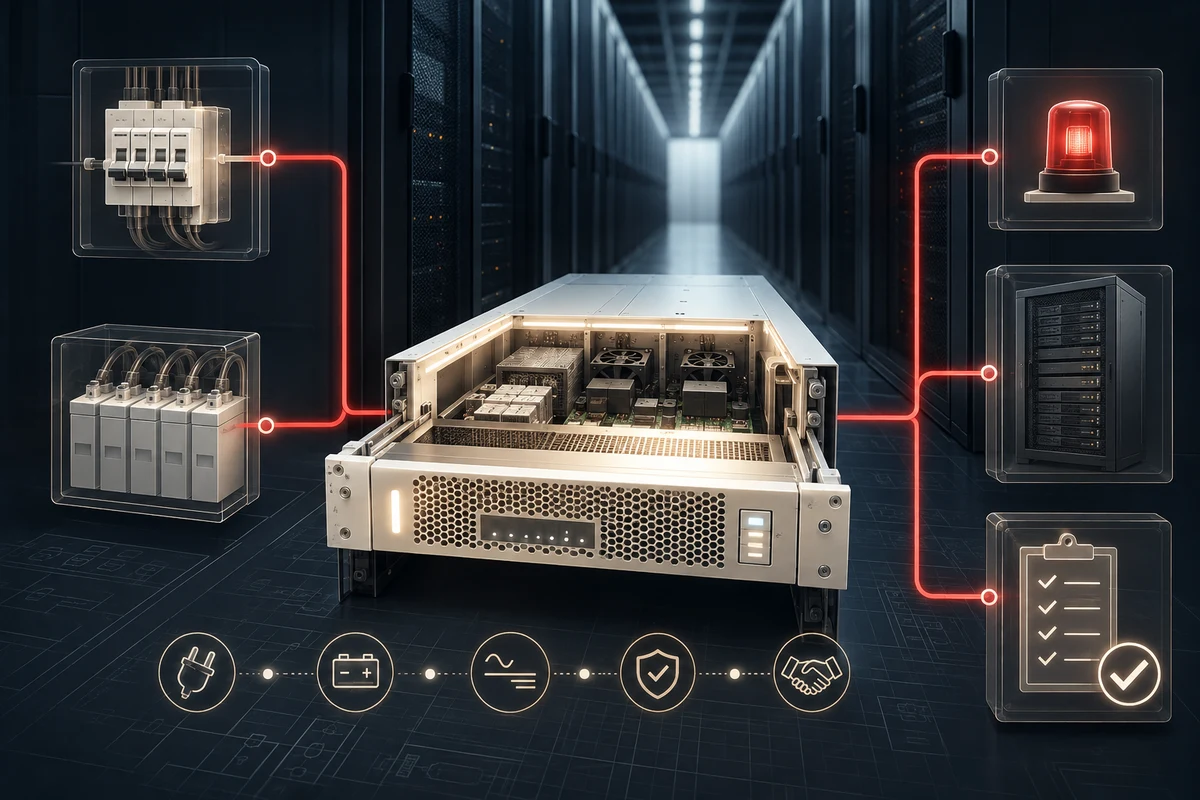
Data-Centre UPS Commissioning Checklist for Rack-Level Systems
Before a rack UPS supports production IT, commission the complete power and response path: source and protective devices, UPS configuration, battery state, output wiring, representative load, bypass behavior, alarms, network management, orderly shutdown and documented handover. A buyer can use this guide to define the input, evidence and acceptance result before comparing models.
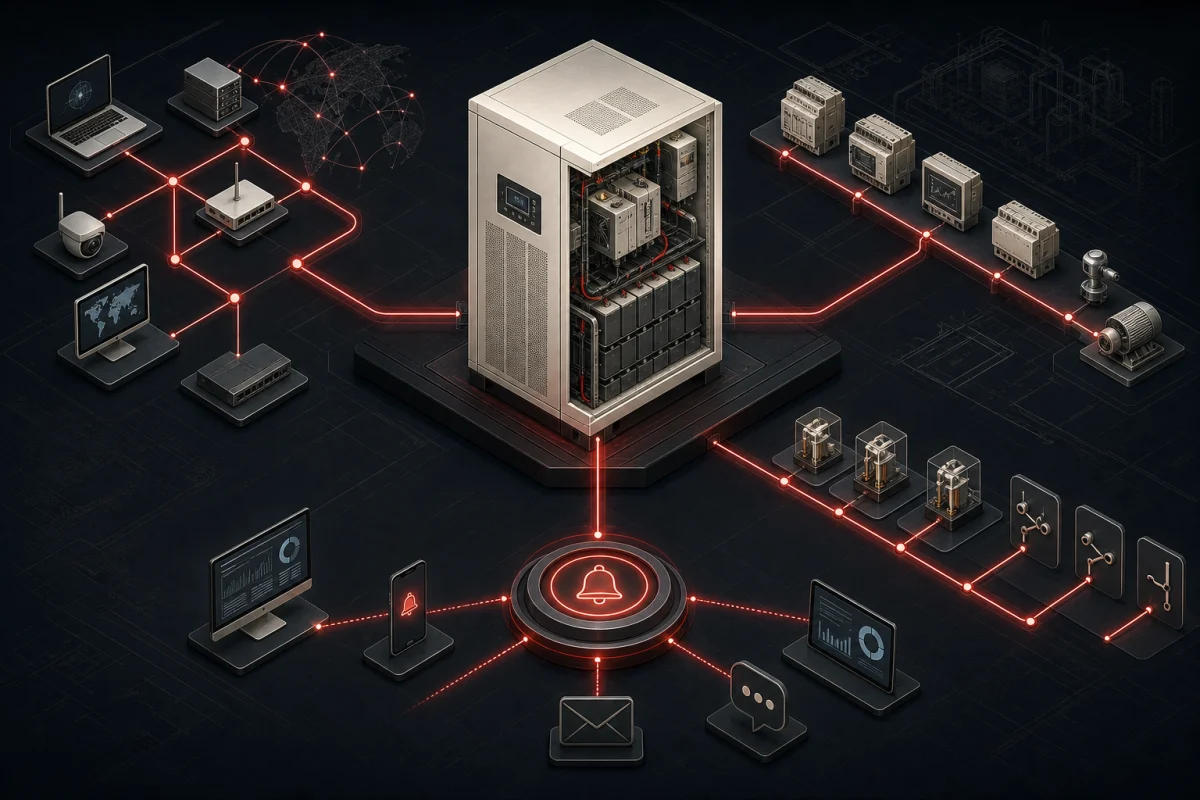
SNMP, RS485 and Dry Contacts: Choosing UPS Monitoring Interfaces
Choose a UPS monitoring interface from the receiving system and required actions. A buyer can use this guide to define the input, evidence and acceptance result before comparing models.
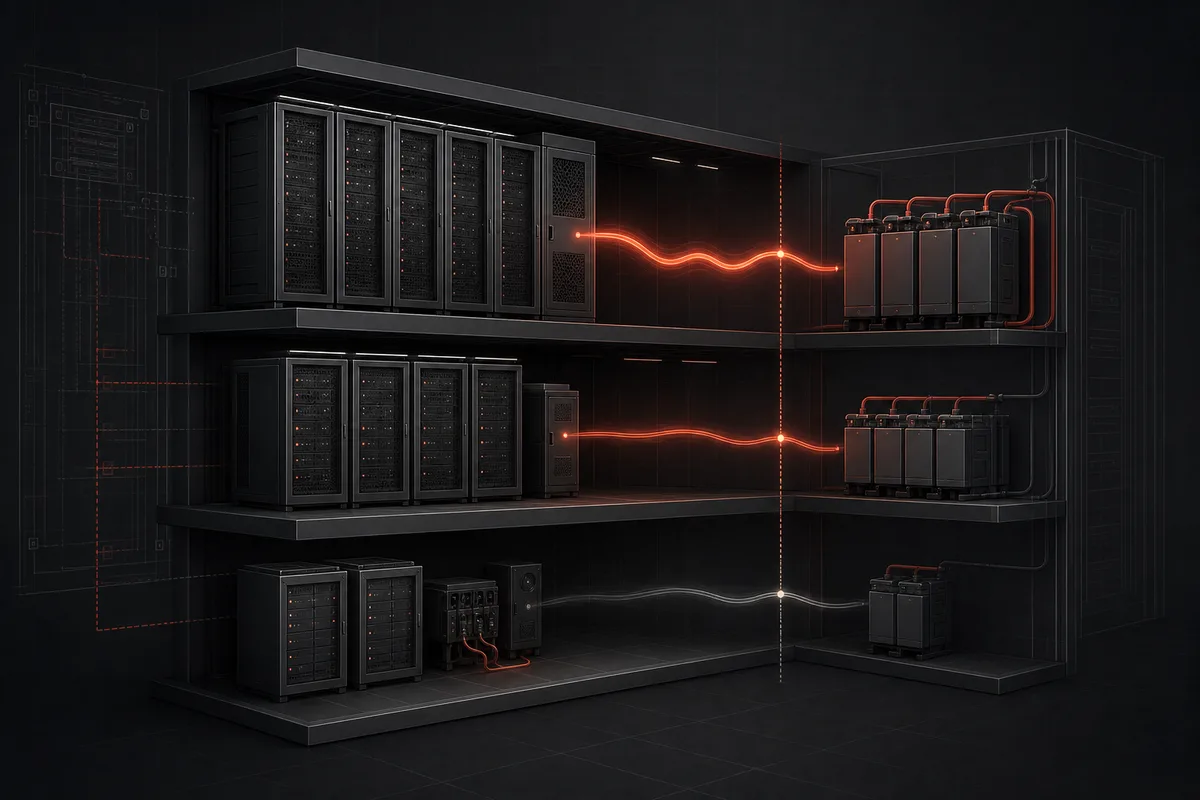
Runtime Tiering for Server Rooms: Not Every Load Needs the Same Autonomy
Do not give every server-room device the same runtime target. It focuses the discussion on project conditions, configuration scope and evidence rather than catalogue shorthand.
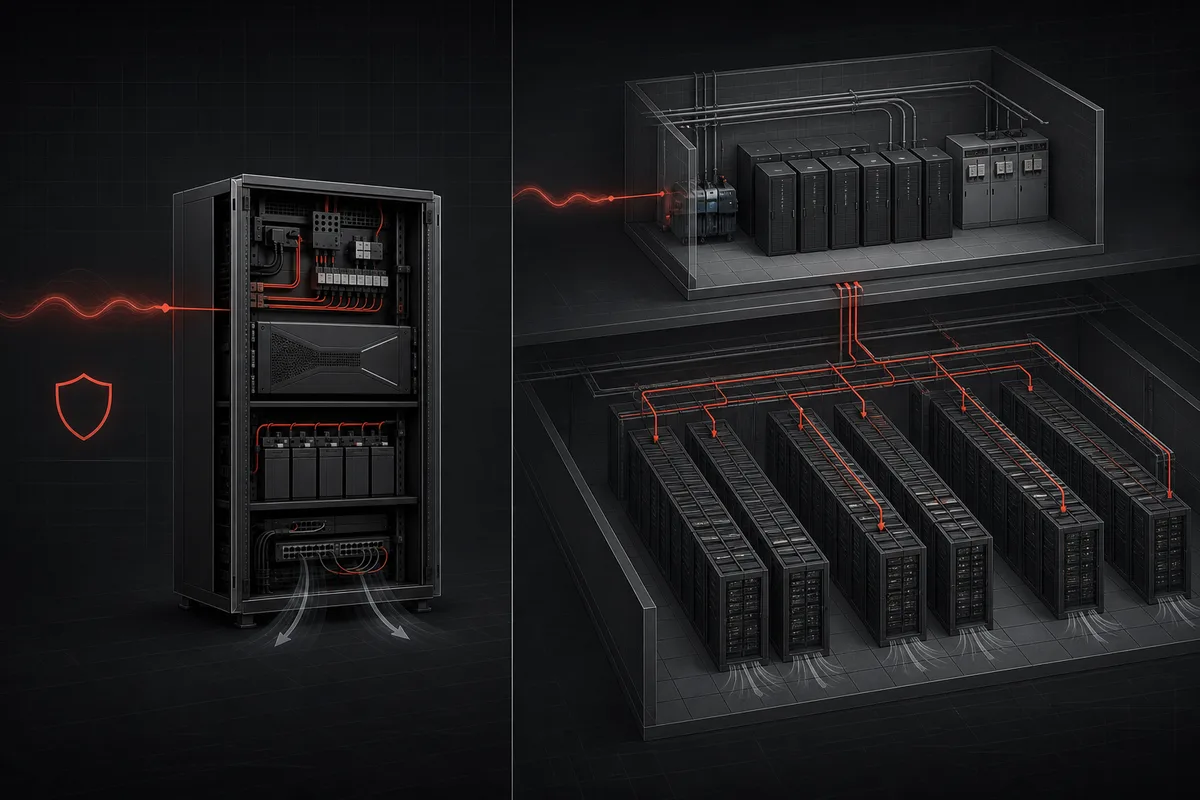
Single-Rack UPS vs Room-Level UPS: Where Should Backup Be Centralized?
Distributed rack UPS systems localize protection and can simplify incremental deployment; a room-level system centralizes equipment and maintenance. The result is a decision record that engineering, procurement and the supplier can all verify.
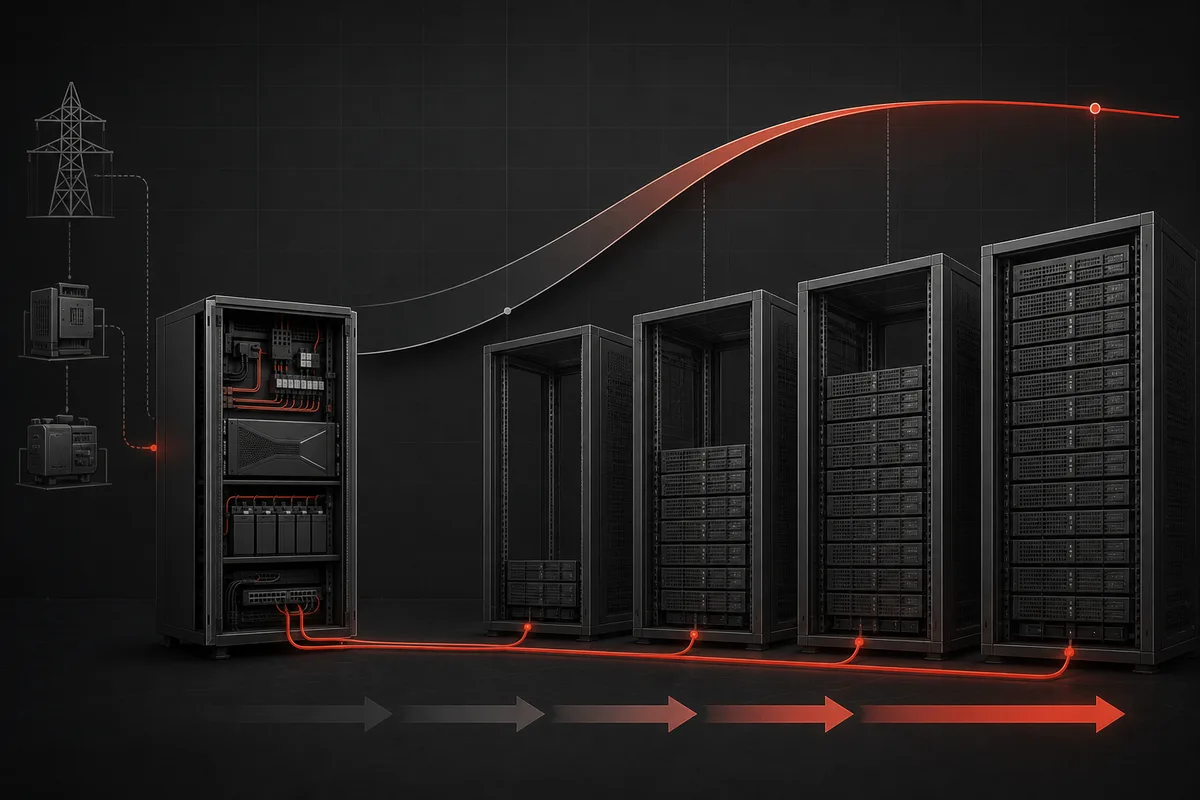
Why UPS Part-Load Efficiency Matters in a Growing Data Centre
UPS efficiency varies with load, so a system sized far above present demand can impose continuing energy and cooling penalties. A buyer can use this guide to define the input, evidence and acceptance result before comparing models.
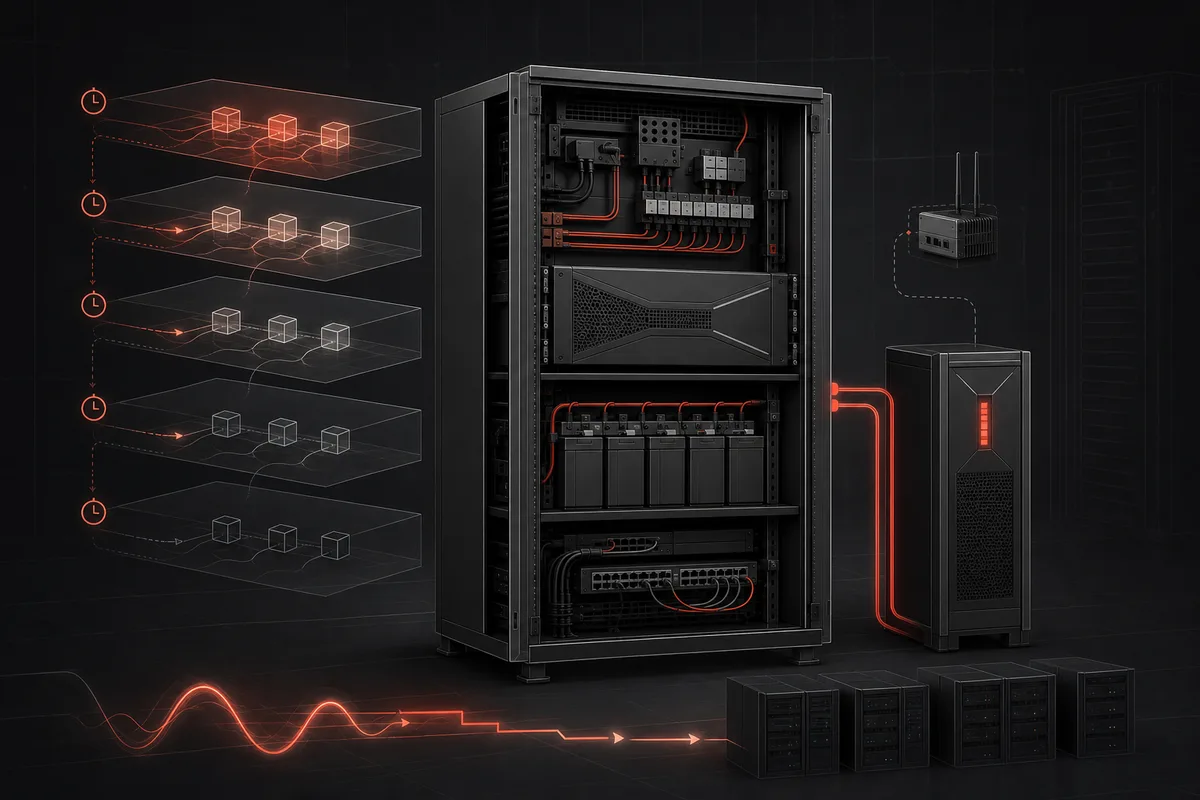
How UPS Runtime Supports Orderly Server, VM and NAS Shutdown
UPS autonomy reduces abrupt-shutdown risk only when monitoring, shutdown software, credentials, timing and recovery are configured and tested together. The following engineering and procurement checks make the answer measurable before an order is placed.
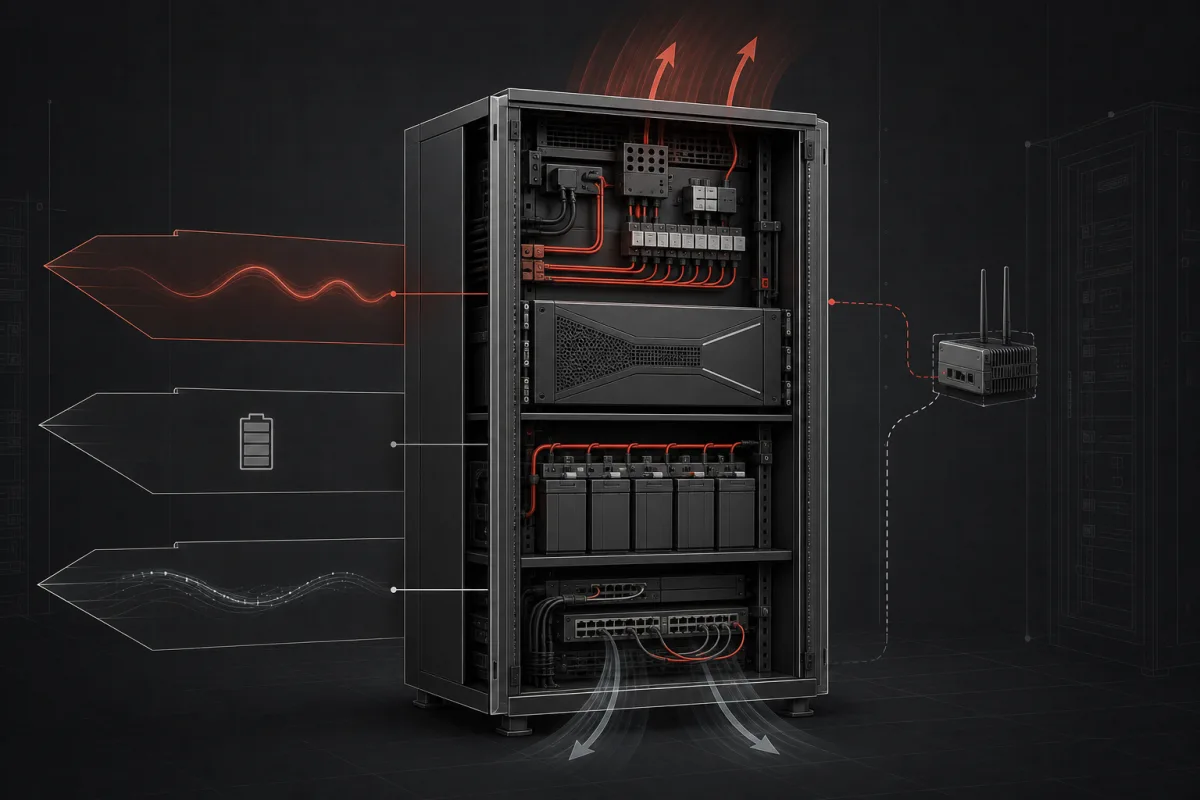
Edge Rack UPS Selection: Load, Runtime, U-Space and Remote Access
An edge-rack UPS should be specified from the actual IT load, required autonomy, available U-space, upstream source and remote-response plan. Use the checks below to turn that question into a comparable supplier requirement.
Engineering guidance
Make a better power-system decision.
Every article answers a real buyer question — which battery chemistry, which topology, which voltage, which model for which environment — with the parameters and trade-offs an engineer needs to decide. Each links through to the relevant products and solutions.
Have a specific question?
Tell us your load and we'll advise.
Use these guides to frame the requirement, then send the load, voltage, runtime and destination for a configuration review.