Insights
UPS selection, standards & application guides.
Practical engineering guidance for specifying lithium UPS and power inverters, covering selection logic, voltage standards, topology and real application requirements.
More engineering guides.
Showing 73–84 of 224 guides

Can a Rack UPS Battery Be Serviced Without Moving Other Equipment?
Answer this question by reviewing one actual service task in the final rack layout.
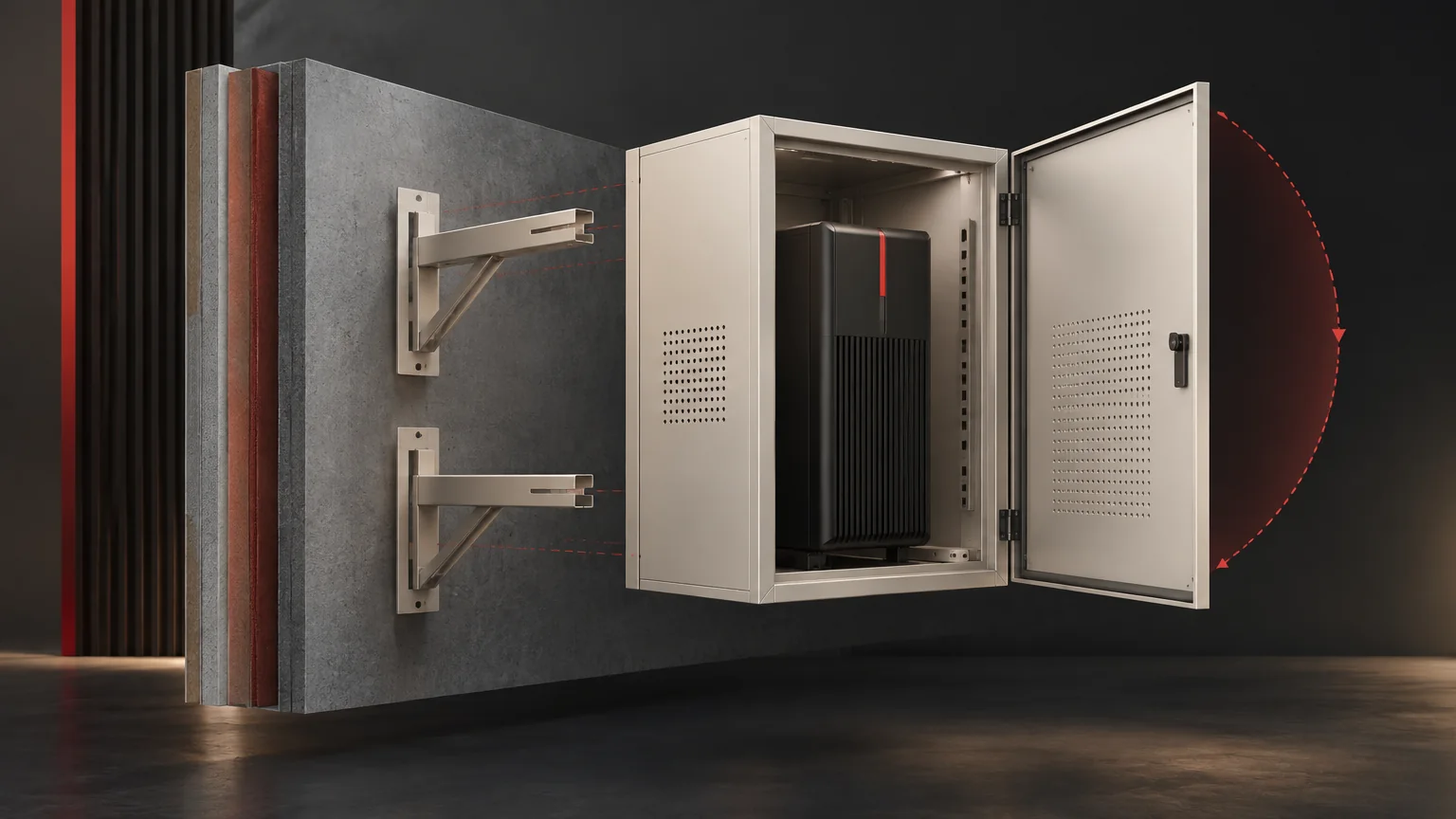
Rack UPS in a Wall-Mounted Cabinet: What Changes?
Review a wall-mounted UPS cabinet through its equipment supports, cabinet frame, wall connection and service conditions before approving a pairing.
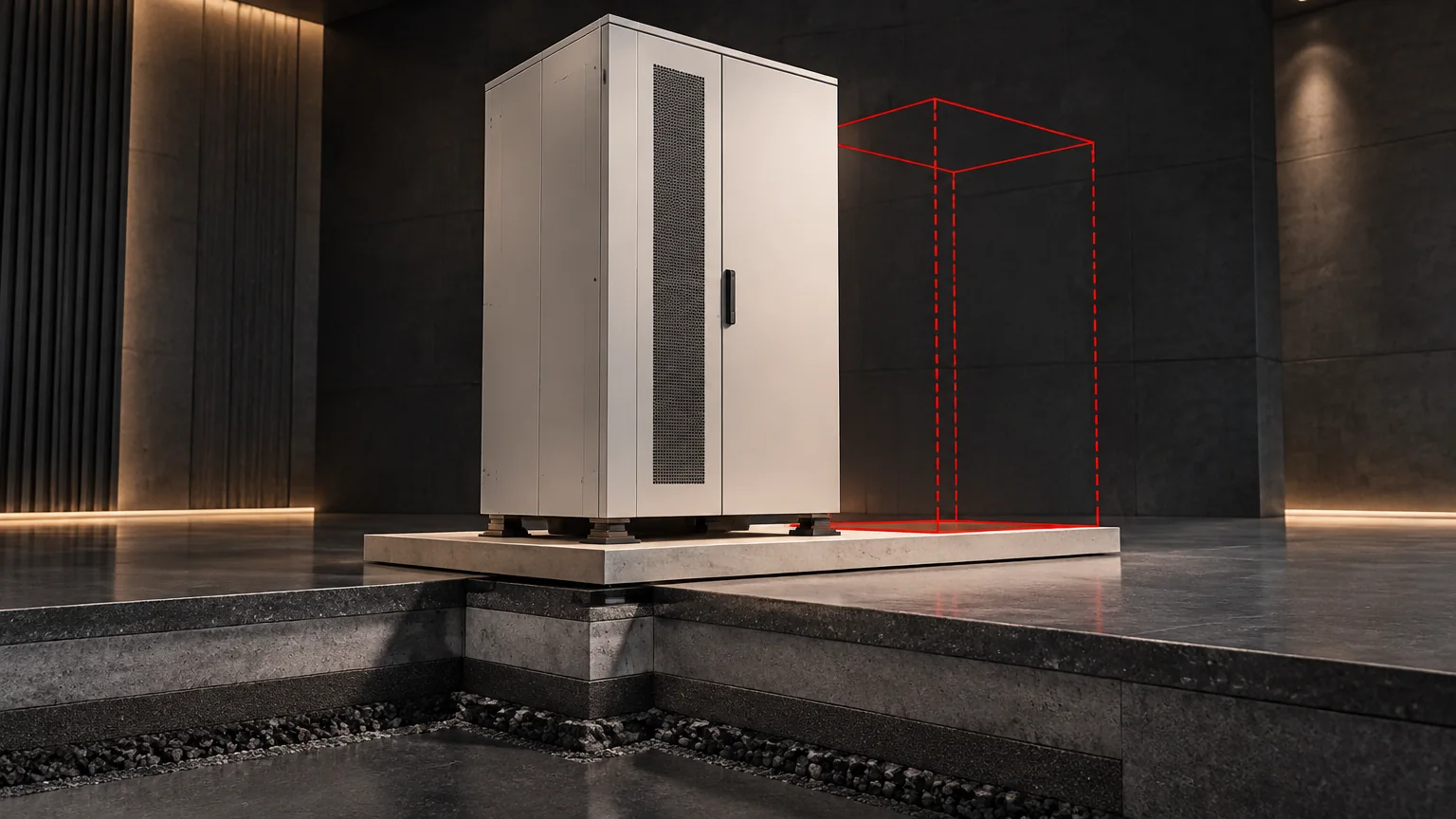
Prepare the Floor-Loading Review for a Transformer-Based UPS
A floor-loading review needs the installed configuration's mass and support geometry, not just its external dimensions.

When Does a DC/DC Converter Need Galvanic Isolation?
Decide isolation from the system boundary that must be separated, not from whether the converter changes voltage.

Select a DC/DC Converter Across the Full Input Window
Match a DC/DC converter to the voltage envelope at its input terminals throughout the intended task.

Why Inverter kVA Divided by 48 V Is Not DC Input Current
Estimate inverter DC input current using real watts, total efficiency and terminal voltage, without confusing steady estimates with feeder design.
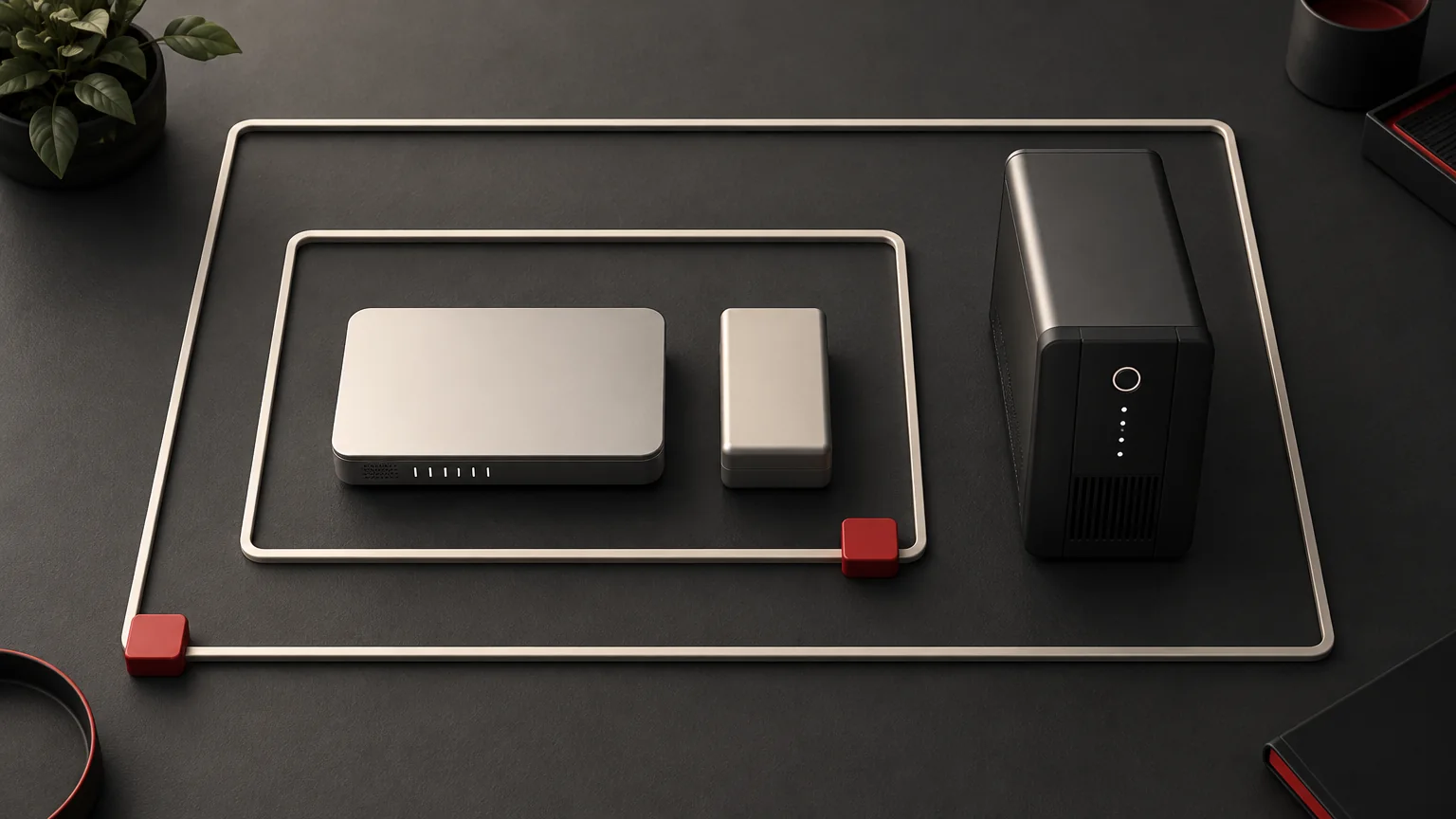
Survey UPS Loads That Use External Power Adapters
If a UPS feeds a device through its AC adapter, record demand at the adapter's AC input boundary.

Specify UPS Runtime for a Time-Varying Load
Specify a changing load as a sequence of simultaneous watts, VA and durations.

Mixing New and Older UPS Battery Packs: What Must Be Approved?
Purchase date alone does not decide whether new and older UPS batteries can be used together.
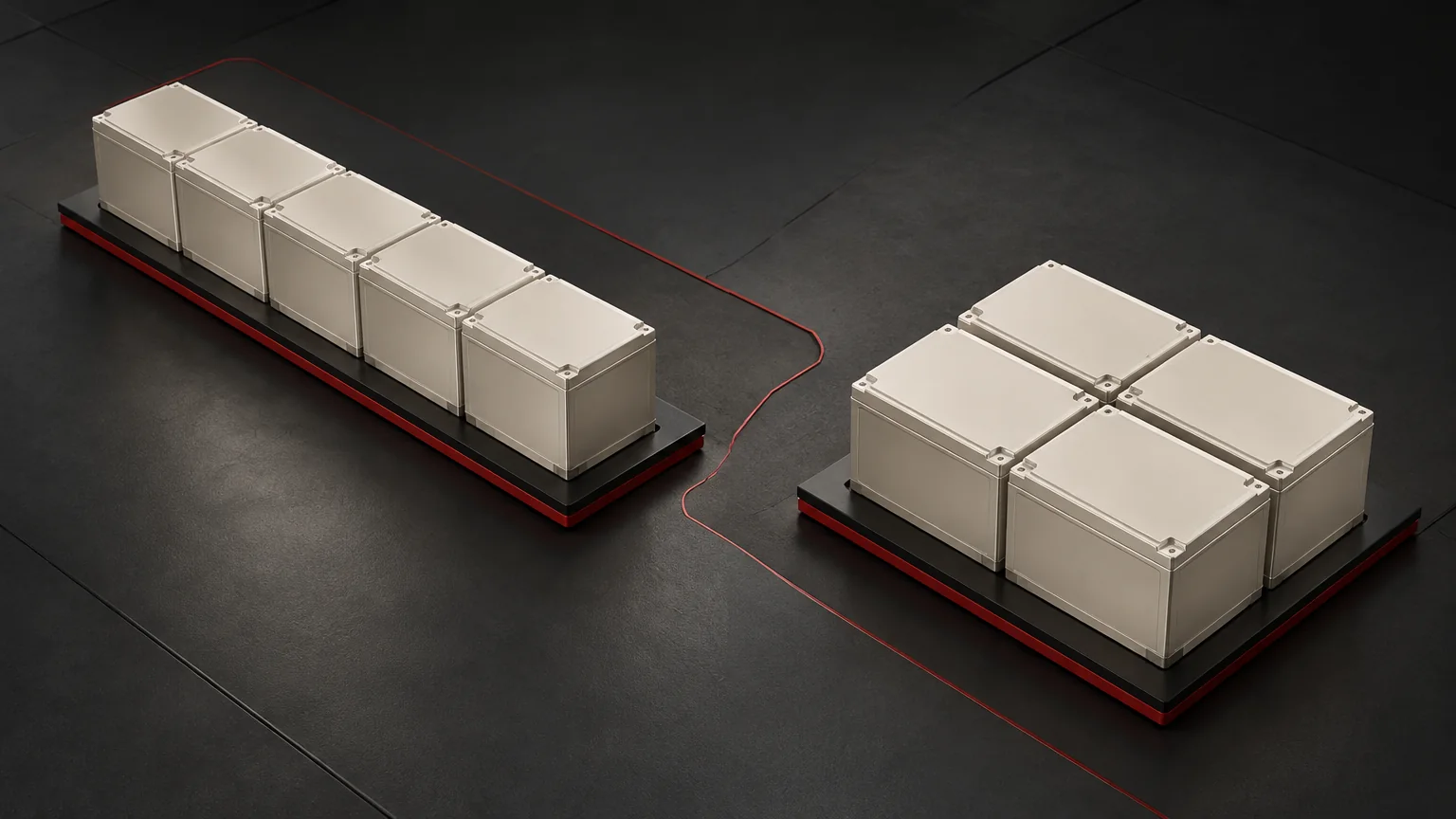
Series vs Parallel Batteries in a UPS Design Review
Compare nominal voltage, amp-hours and watt-hours in series and parallel battery arrangements, with matched-unit assumptions and configuration checks.

Battery Protection Trip vs UPS Low-Battery Shutdown
A battery protection action and a planned low-battery shutdown serve different purposes.

UPS Overload Duration vs Continuous Capacity
A continuous output rating and a time-limited overload allowance are different limits.
Engineering guidance
Make a better power-system decision.
Every article answers a real buyer question — which battery chemistry, which topology, which voltage, which model for which environment — with the parameters and trade-offs an engineer needs to decide. Each links through to the relevant products and solutions.
Have a specific question?
Tell us your load and we'll advise.
Use these guides to frame the requirement, then send the load, voltage, runtime and destination for a configuration review.