Insights
UPS selection, standards & application guides.
Practical engineering guidance for specifying lithium UPS and power inverters, covering selection logic, voltage standards, topology and real application requirements.
More engineering guides.
Showing 157–168 of 224 guides

UPS Overload Alarm: Load Audit Before You Reset Anything
Treat a UPS overload alarm as a load-protection event. The following engineering and procurement checks make the answer measurable before an order is placed.
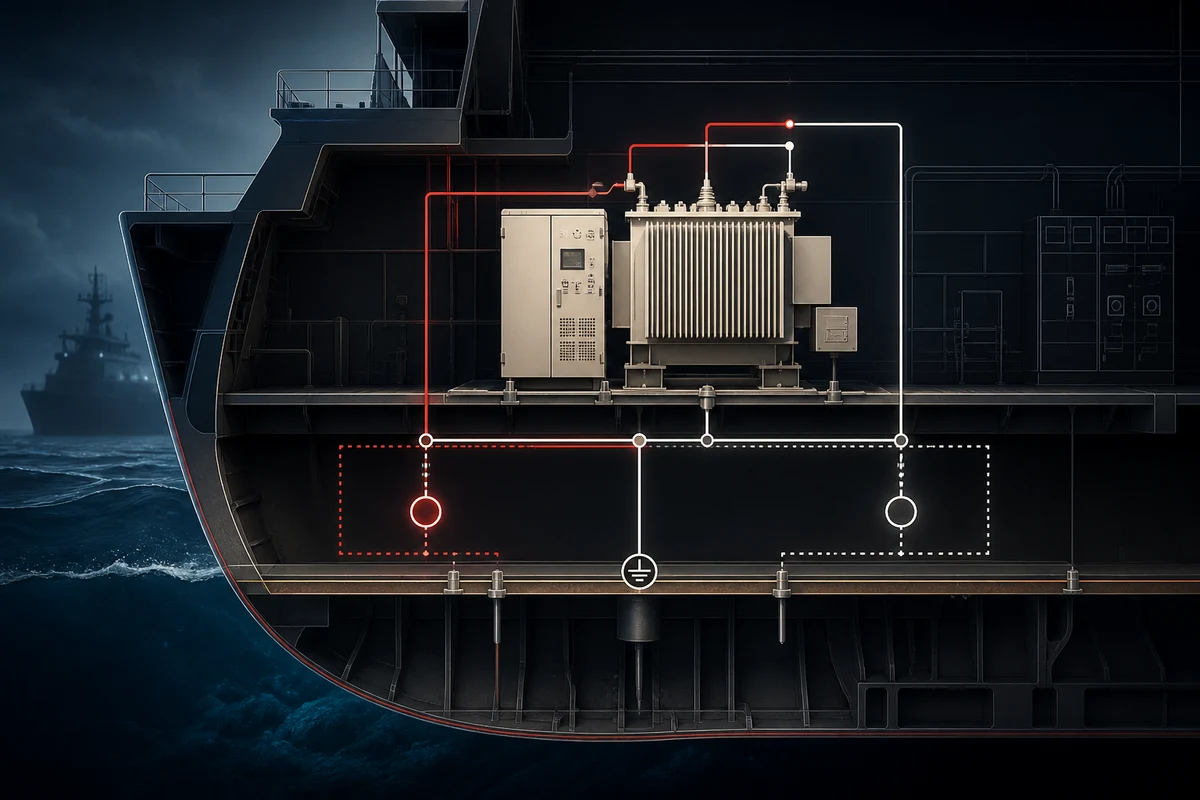
Isolation and Grounding Questions for Marine UPS Projects
For a marine UPS project, the ship integrator and supplier must agree the source arrangement, nominal voltage and frequency, neutral and protective-earth treatment, required galvanic isolation, insulation monitoring, fault behavior, protection coordination, cable shielding and applicable vessel or class requirements before installation. Use the checks below to turn that question into a comparable supplier requirement.
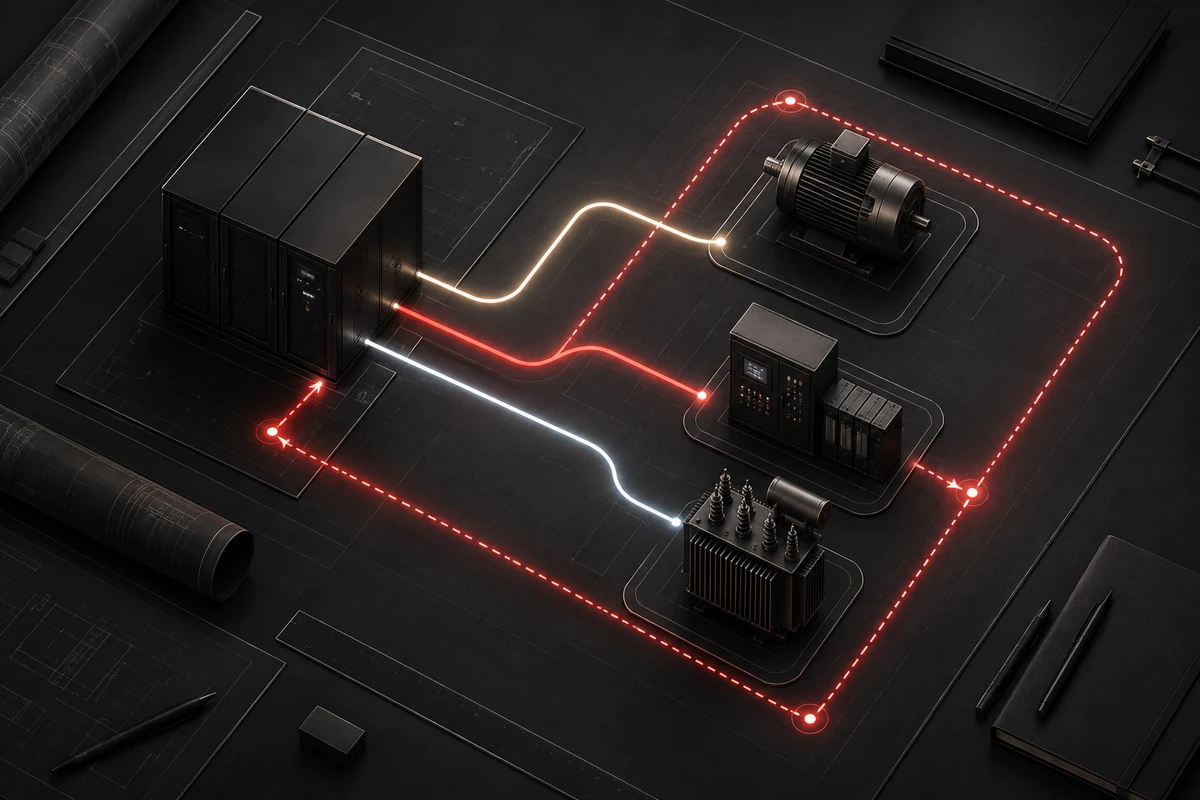
Building a Load List for a Three-Phase Industrial UPS
Build a three-phase industrial UPS load list at equipment and phase level. It focuses the discussion on project conditions, configuration scope and evidence rather than catalogue shorthand.
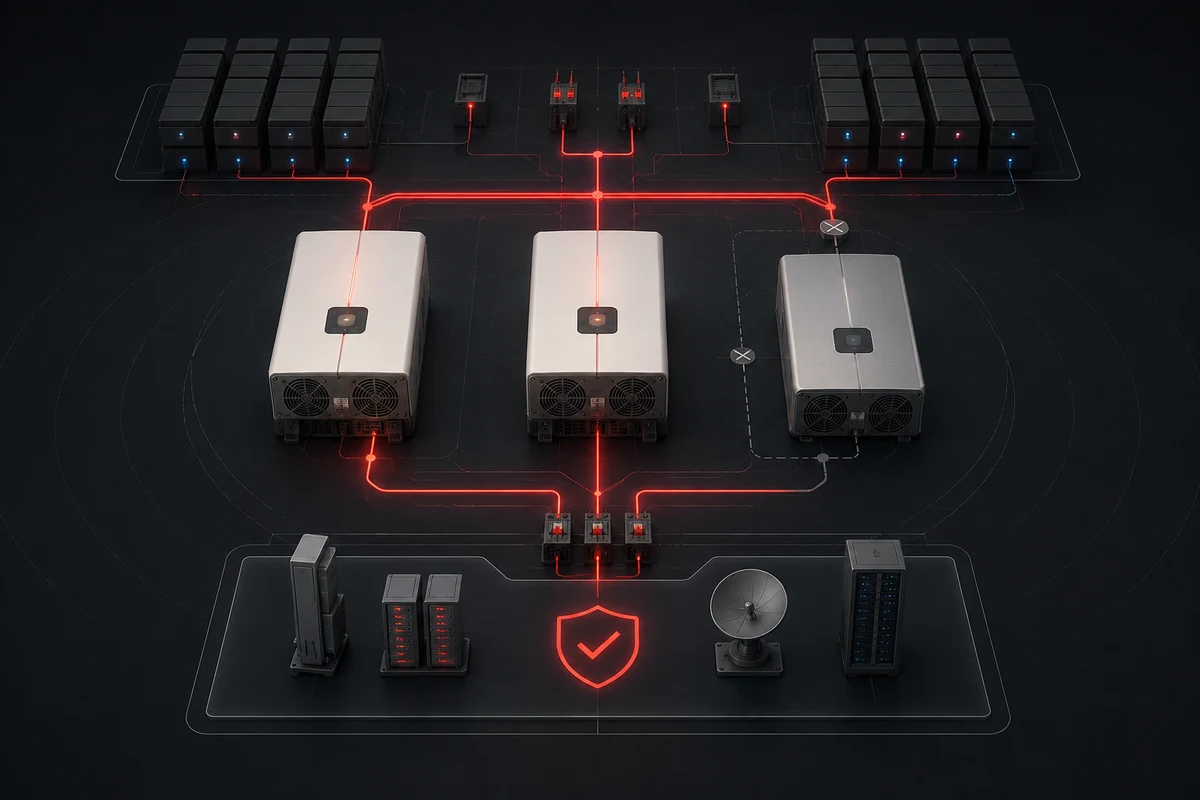
Parallel and Redundant Telecom Inverters: Design Questions Before You Specify
Specify redundant telecom inverters from the failure behavior the site needs, not from an “N+1” label. The result is a decision record that engineering, procurement and the supplier can all verify.
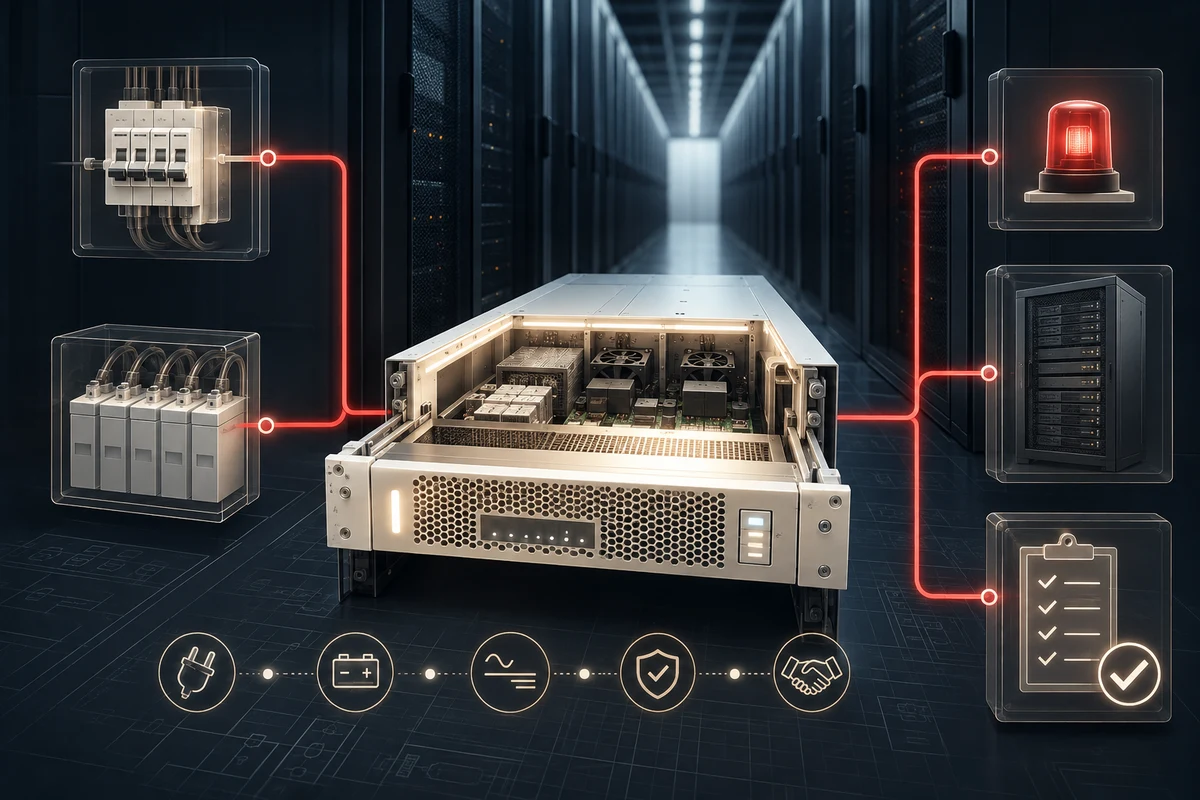
Data-Centre UPS Commissioning Checklist for Rack-Level Systems
Before a rack UPS supports production IT, commission the complete power and response path: source and protective devices, UPS configuration, battery state, output wiring, representative load, bypass behavior, alarms, network management, orderly shutdown and documented handover. A buyer can use this guide to define the input, evidence and acceptance result before comparing models.

Scaling External UPS Battery Packs: What Must Be Recalculated
External UPS battery packs cannot be added indefinitely. The following engineering and procurement checks make the answer measurable before an order is placed.

Upgrading a Rack UPS to Lithium: Replace the System or Retrofit?
Plan a lithium battery UPS upgrade around host compatibility, rack fit and a controlled cutover, rather than treating a battery change as a simple swap.

Rack-Mount Inverter or Rack UPS? Start with the Power Source
Choose between a DC-fed rack inverter and a rack UPS by mapping the source, battery ownership, output voltage and failure response.
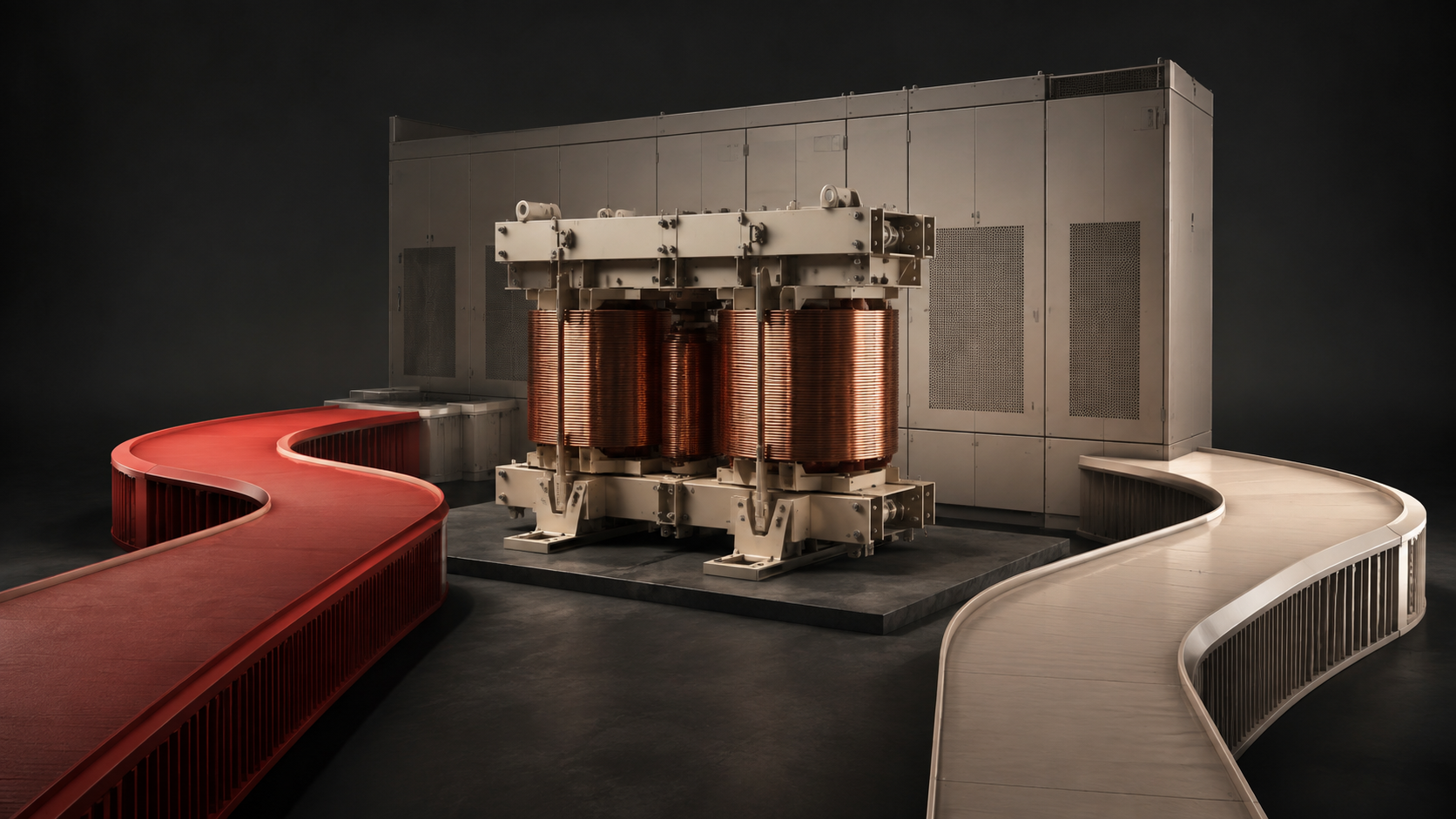
Low-Frequency UPS: Check Isolation Through Every Power Path
Evaluate a transformer-based industrial UPS through its inverter, battery and bypass paths, with a supplier drawing checklist and practical load boundaries.

UPS for 115V Equipment: Checking 110V, 120V and 127V Options
Turn a 115 V equipment nameplate into a clear UPS requirement, with a voltage-band example and separate checks for battery and bypass operation.
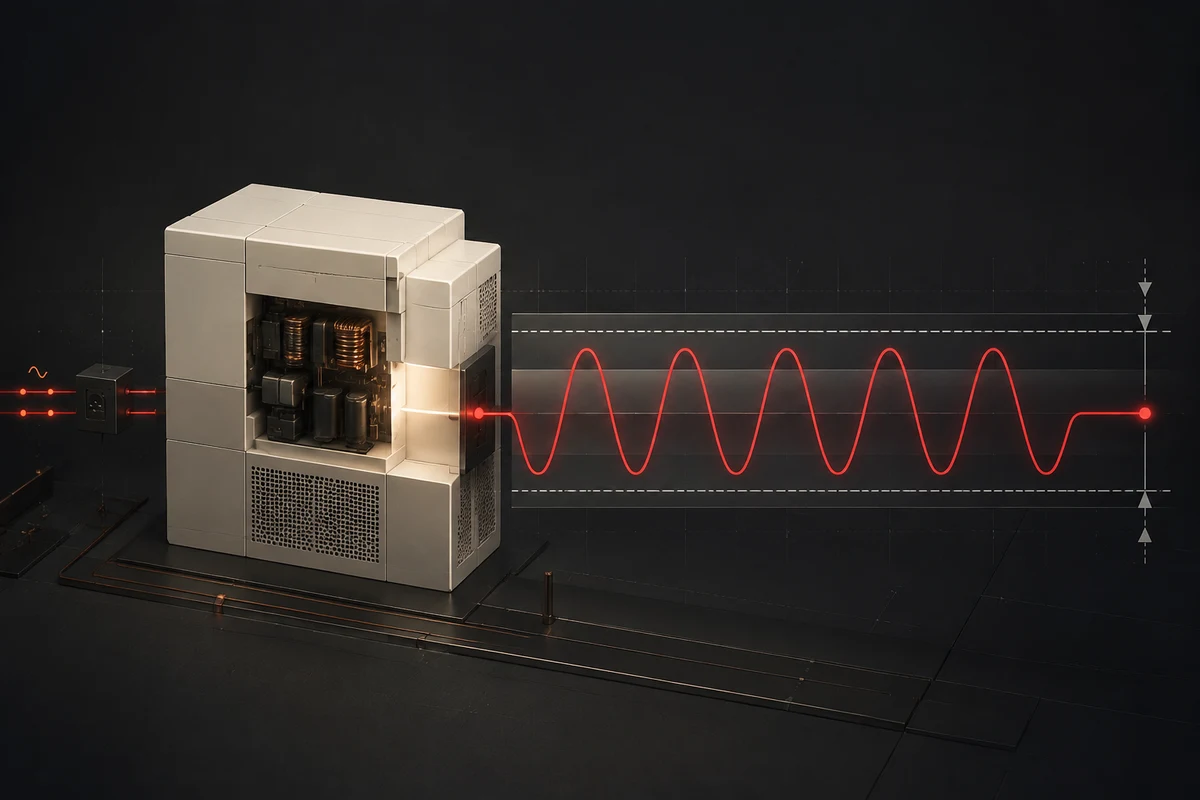
How to Read UPS Output-Voltage Regulation Without Over-Specifying the System
An output-voltage regulation percentage describes how closely the UPS holds its output under stated conditions; it does not by itself prove that a load is compatible. Use the checks below to turn that question into a comparable supplier requirement.

UPS Warranty Review: Separate the Main Unit, Battery and Inverter Scope
Review a UPS warranty as a configuration-level responsibility matrix. The following engineering and procurement checks make the answer measurable before an order is placed.
Engineering guidance
Make a better power-system decision.
Every article answers a real buyer question — which battery chemistry, which topology, which voltage, which model for which environment — with the parameters and trade-offs an engineer needs to decide. Each links through to the relevant products and solutions.
Have a specific question?
Tell us your load and we'll advise.
Use these guides to frame the requirement, then send the load, voltage, runtime and destination for a configuration review.