Insights
UPS selection, standards & application guides.
Practical engineering guidance for specifying lithium UPS and power inverters, covering selection logic, voltage standards, topology and real application requirements.
More engineering guides.
Showing 181–192 of 224 guides
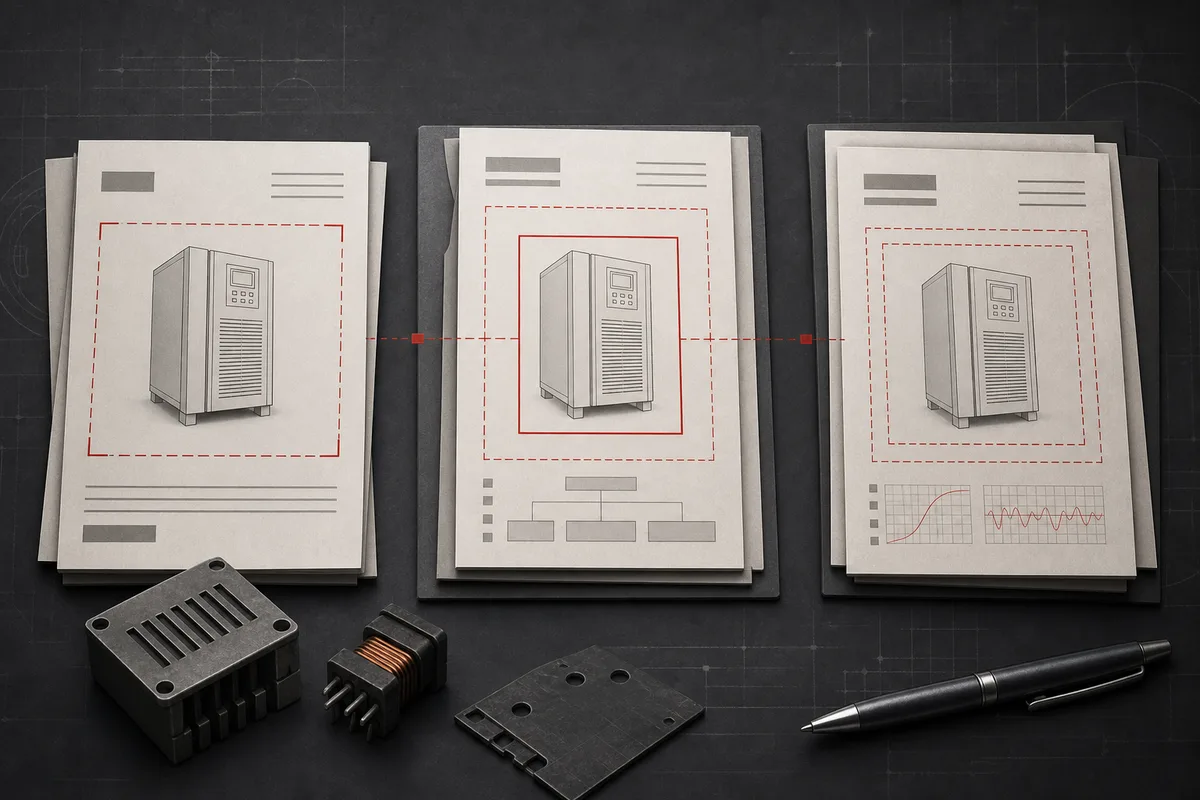
CE, IEC 62040 and a Test Report: What Each Document Tells a UPS Buyer
CE marking, an IEC standard and a test report answer different questions. The result is a decision record that engineering, procurement and the supplier can all verify.
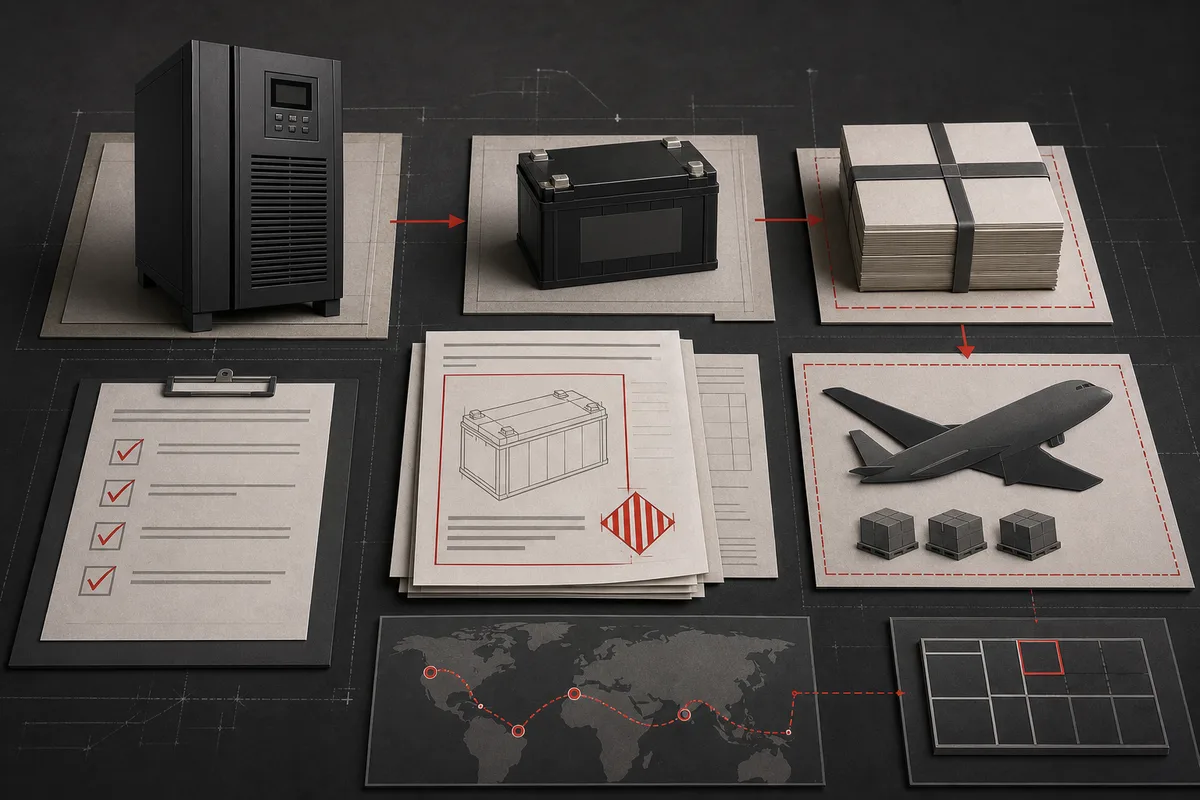
Lithium UPS Air Shipping: Questions to Resolve Before Booking Cargo
Before booking a lithium UPS by air, identify the battery configuration and rating, confirm applicable UN 38.3 evidence, determine how it is packed with or contained in equipment, and check the current carrier and operator requirements with a qualified dangerous-goods professional. A buyer can use this guide to define the input, evidence and acceptance result before comparing models.
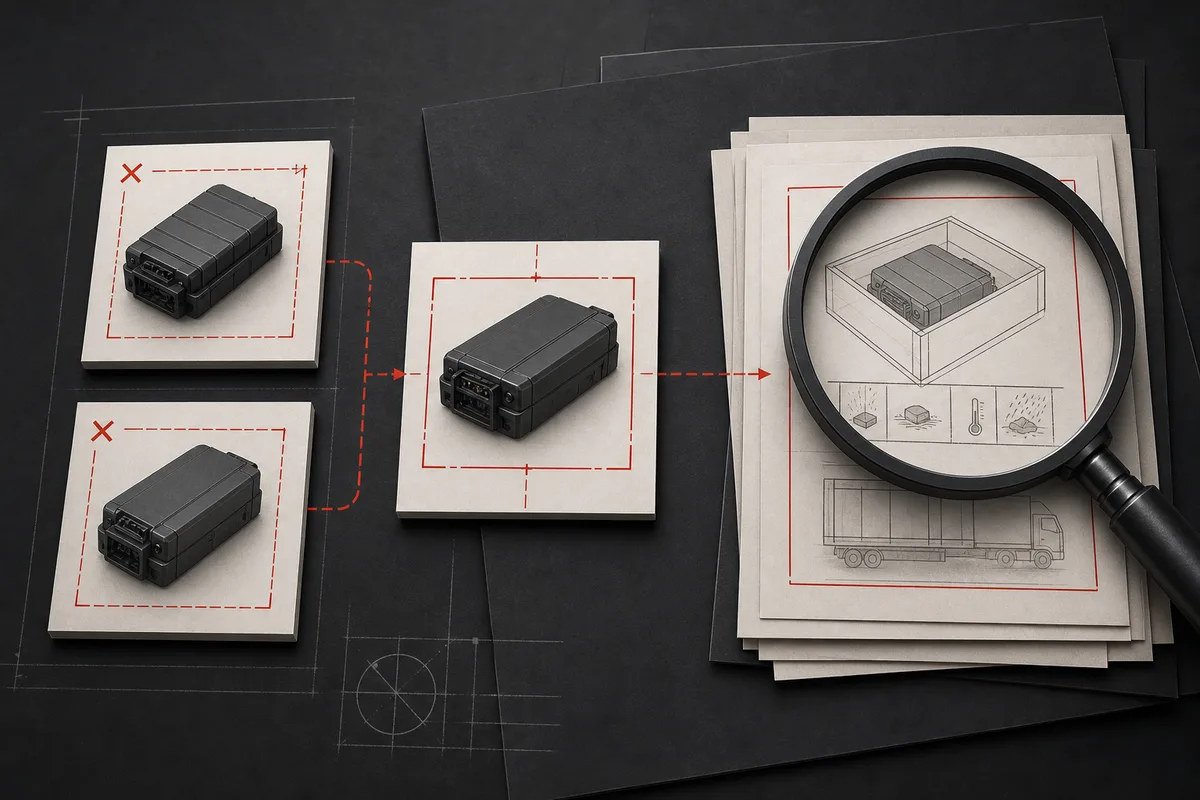
UN 38.3 for Lithium UPS Orders: Match the Report to the Battery Type
UN 38.3 evidence follows a cell or battery type, not a marketing family name. The following engineering and procurement checks make the answer measurable before an order is placed.
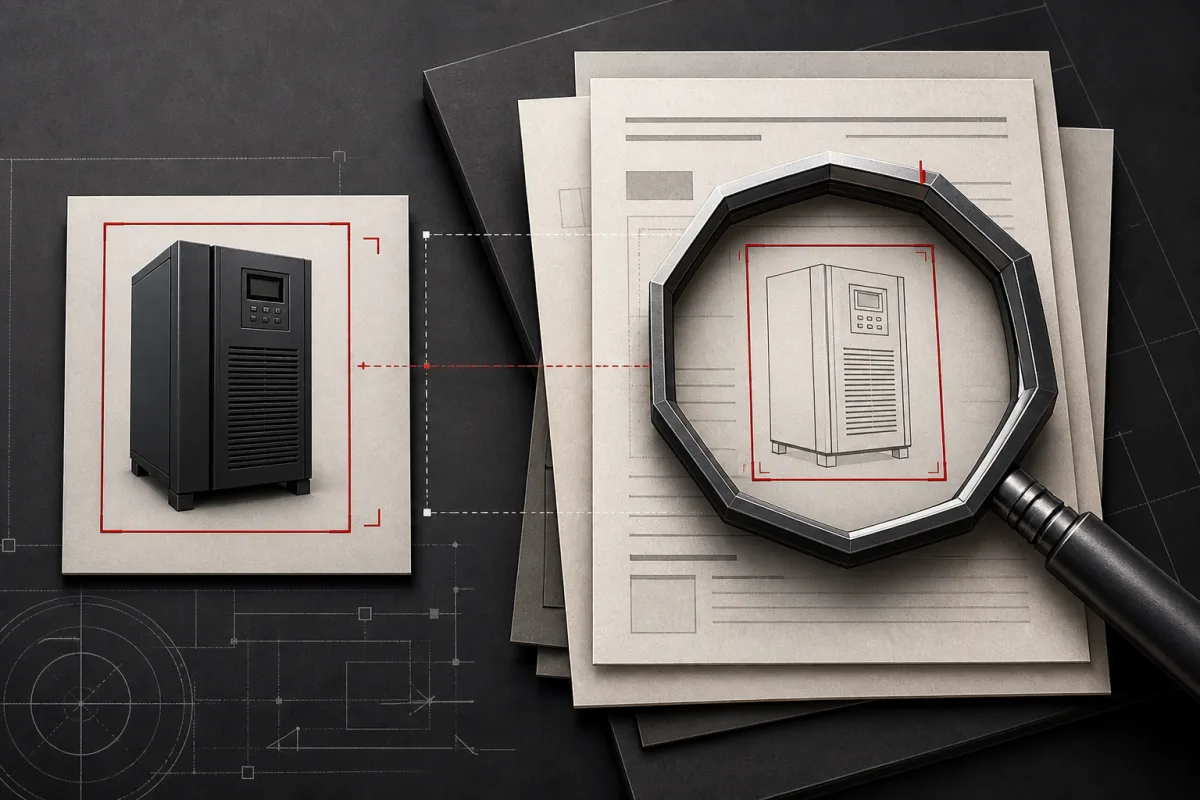
How to Read a UPS CE Certificate by Model Scope
Read a UPS CE certificate by matching the legal entity, exact model or model range, referenced standard, issue information and any limitations to the purchase order. Use the checks below to turn that question into a comparable supplier requirement.
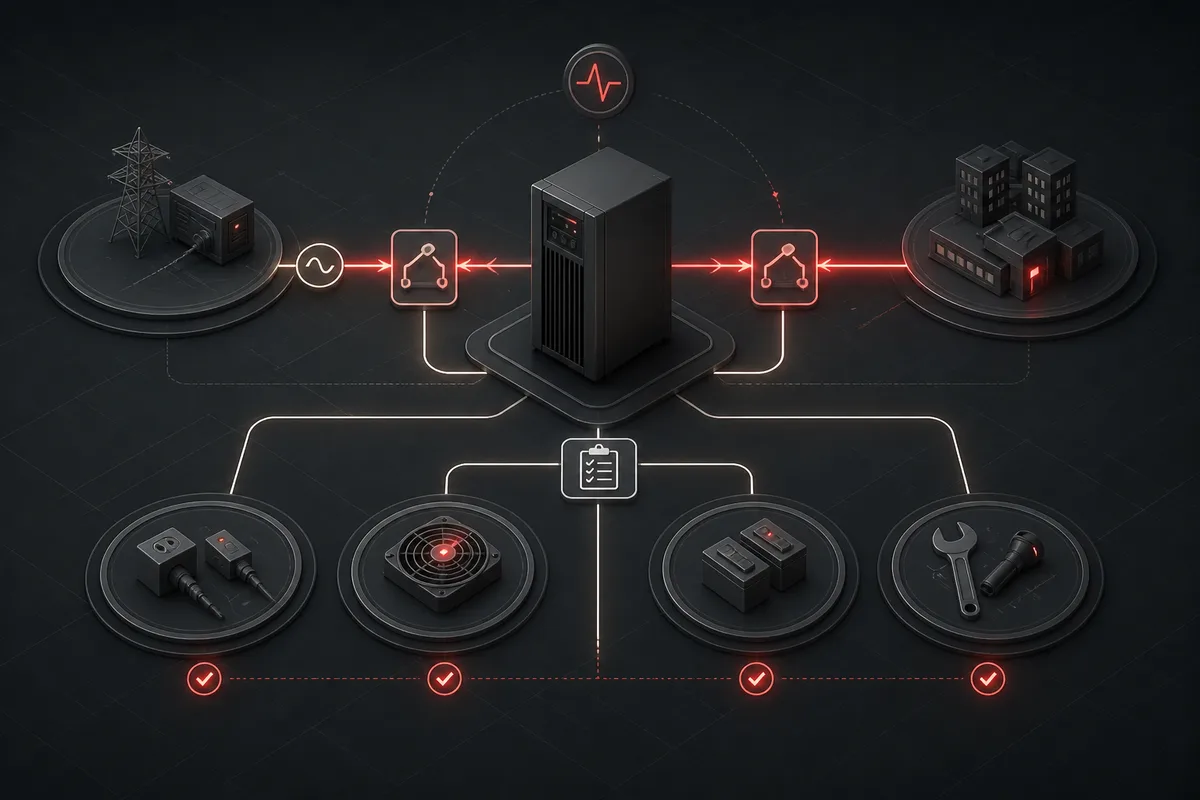
UPS on Bypass: A Safe First-Response Checklist
When a UPS is on bypass, first determine whether the load is stable and what protection has been lost. It focuses the discussion on project conditions, configuration scope and evidence rather than catalogue shorthand.
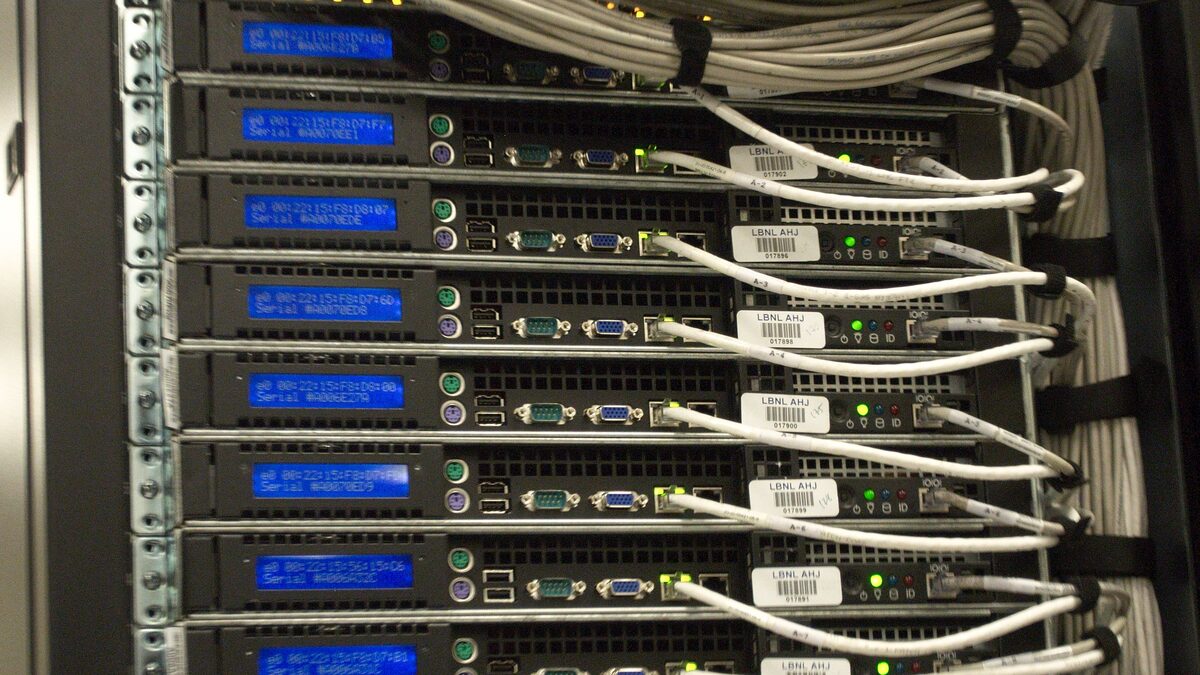
Online Double-Conversion or Line-Interactive UPS? Choose by Load Requirements
Choose online or line-interactive UPS from load interruption, waveform and voltage requirements, then compare power, runtime and complete configurations.
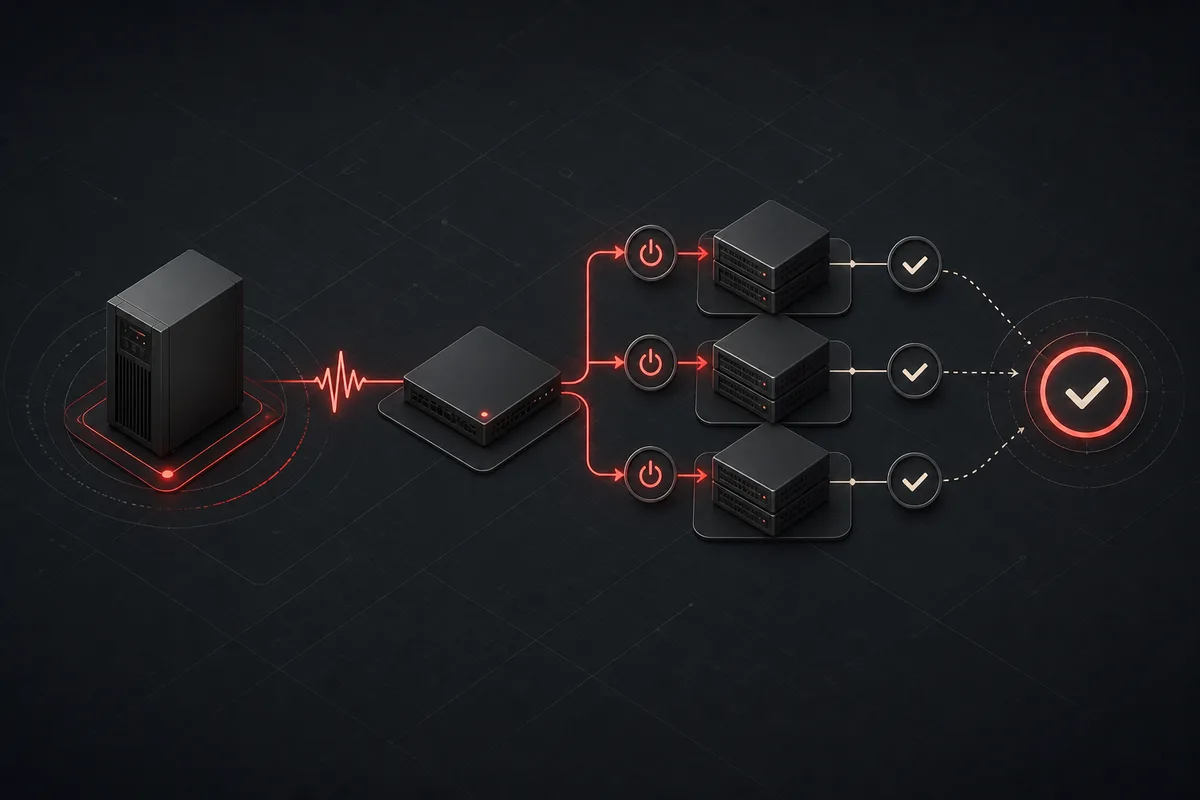
Testing Automated Server Shutdown from a UPS Event
Test UPS-triggered server shutdown as a controlled IT change. The result is a decision record that engineering, procurement and the supplier can all verify.
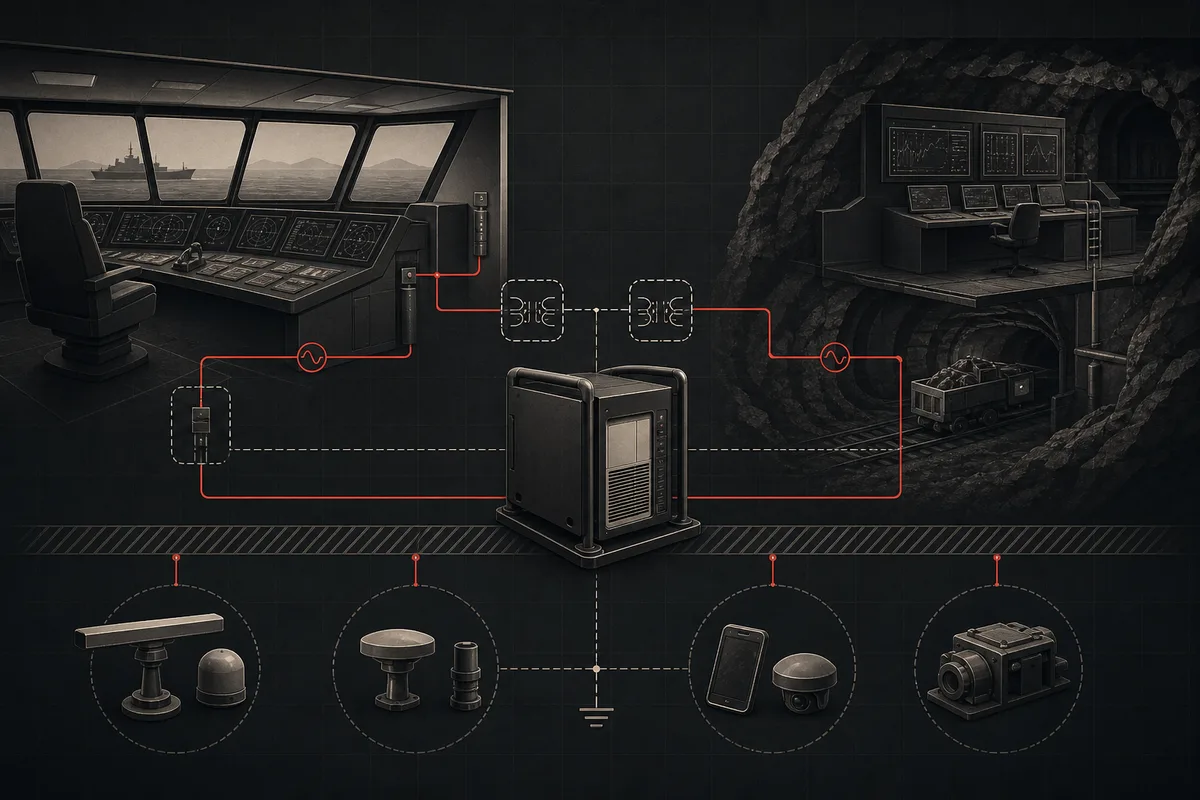
Why Marine & Mining Need Specialty-Voltage UPS
Ships run 110 V and coal mines run 127 V — not by accident but for safety and isolation. This guide explains the standards, the three-proofing and isolation requirements, and how to specify a specialty-voltage UPS.
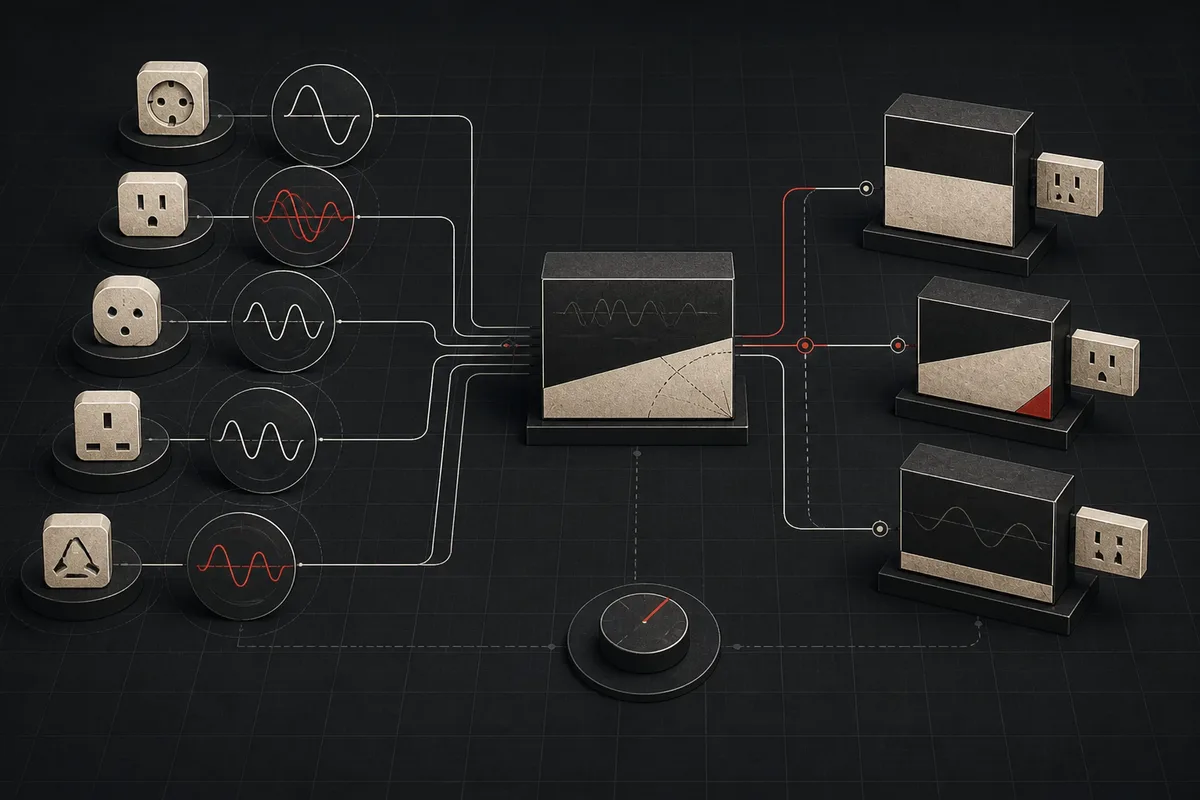
World Voltage Standards: Choosing 110V vs 220–240V UPS for Export
A country-by-country guide to mains voltage and frequency standards, and how to pick the right UPS output voltage and frequency — including where 110/120/127 V applies and how frequency self-adaptation works.
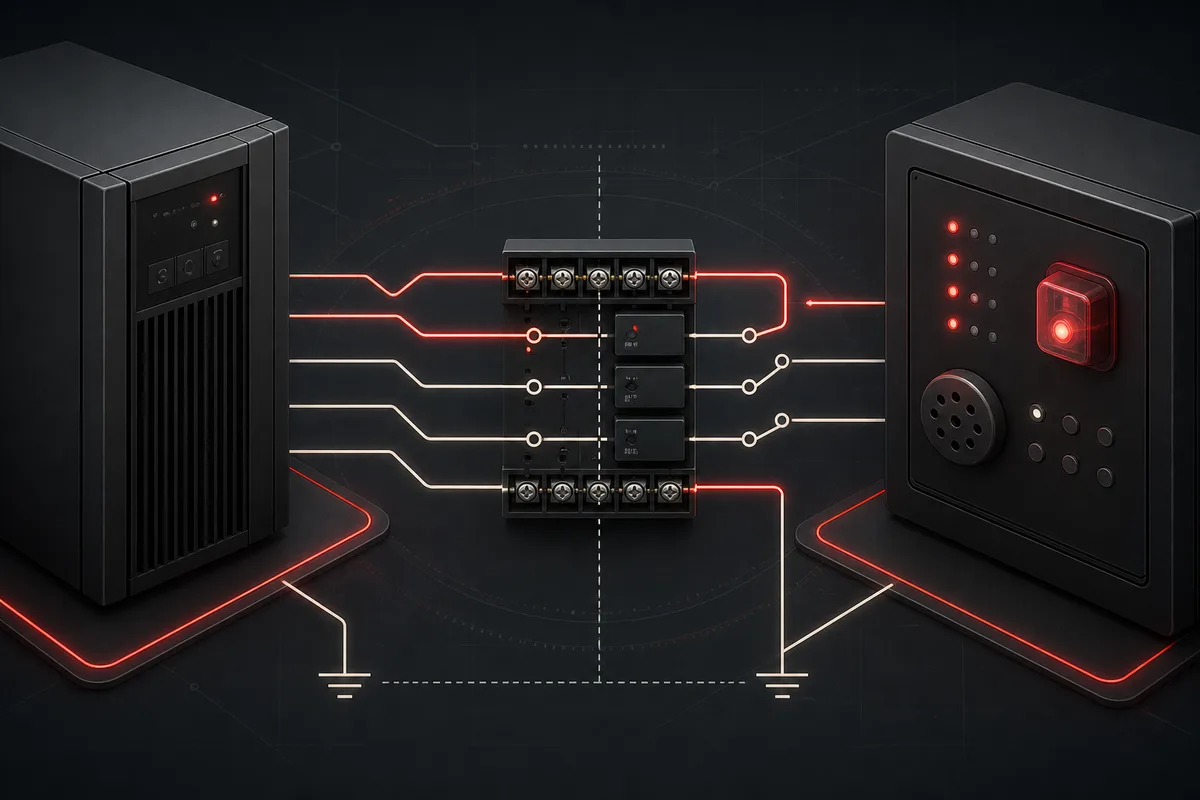
Integrating UPS Dry Contacts with a BMS or Alarm Panel
Dry contacts provide simple discrete UPS status signals, but controls teams must agree the meaning, normal state, electrical rating, isolation and test method for every point. A buyer can use this guide to define the input, evidence and acceptance result before comparing models.
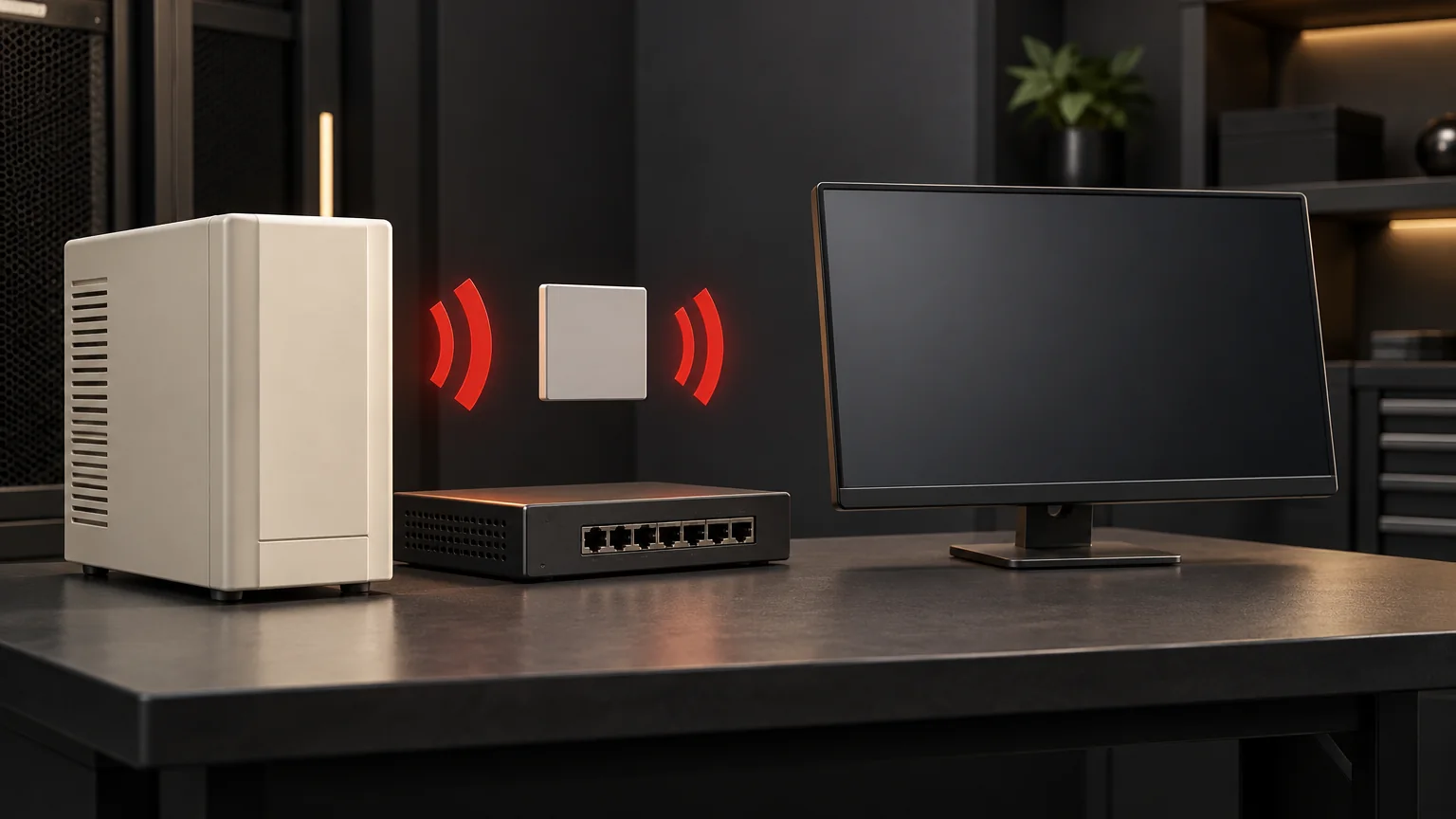
UPS Monitoring Commissioning: Prove the Alert Path Before Go-Live
Verify synthetic and source-event tests separately, distinguish protocol from human confirmation, and retain restoration evidence before go-live.
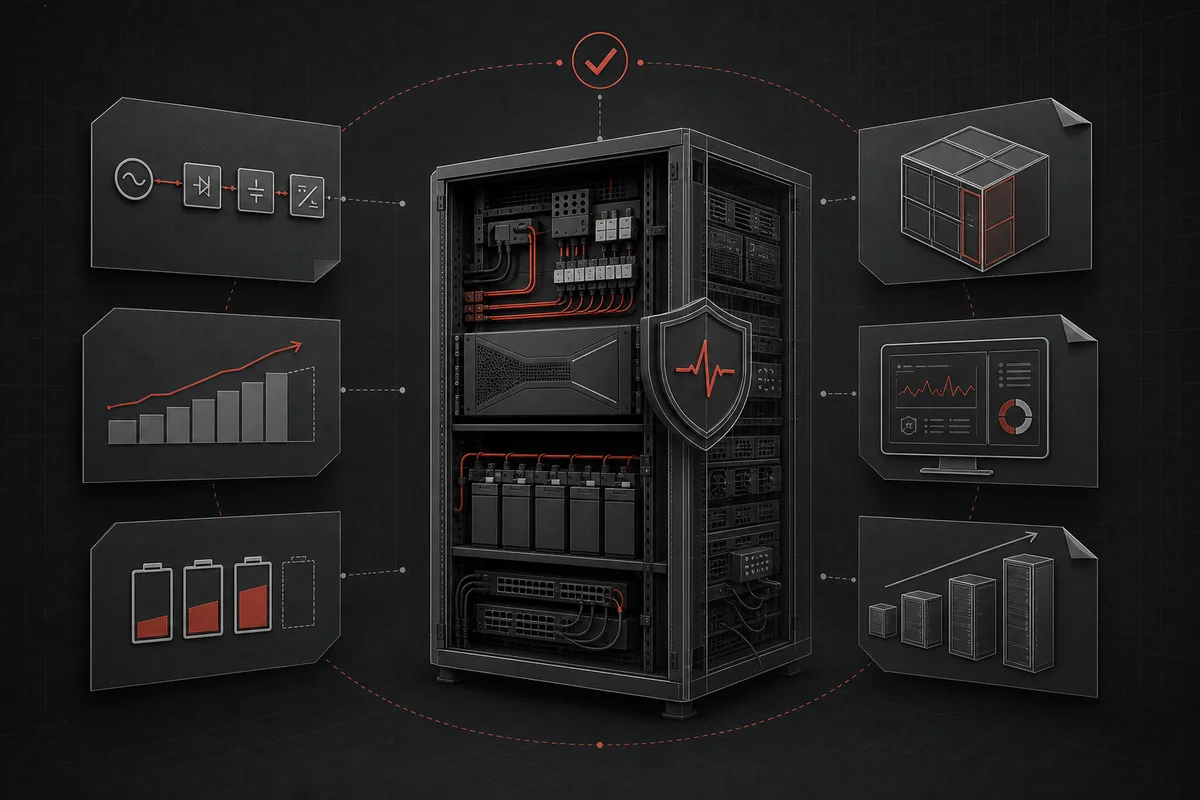
How to Choose a Lithium UPS for Your Data Center
A practical seven-factor framework for specifying a lithium UPS for a data centre or server room — topology, capacity, runtime, rack form factor, monitoring, scalability and certification.
Engineering guidance
Make a better power-system decision.
Every article answers a real buyer question — which battery chemistry, which topology, which voltage, which model for which environment — with the parameters and trade-offs an engineer needs to decide. Each links through to the relevant products and solutions.
Have a specific question?
Tell us your load and we'll advise.
Use these guides to frame the requirement, then send the load, voltage, runtime and destination for a configuration review.