Insights
UPS selection, standards & application guides.
Practical engineering guidance for specifying lithium UPS and power inverters, covering selection logic, voltage standards, topology and real application requirements.
More engineering guides.
Showing 37–48 of 224 guides

Coordinating UPS Output Protection in Battery and Bypass Modes
Compare UPS inverter, battery and bypass fault behavior so the electrical designer can assess downstream protection and branch selectivity.

Preparing a Monitoring-Cabinet UPS for Condensation Risk
Plan monitoring-cabinet UPS readiness through storage, arrival and operation, keeping non-condensing conditions and safe preparation explicit.
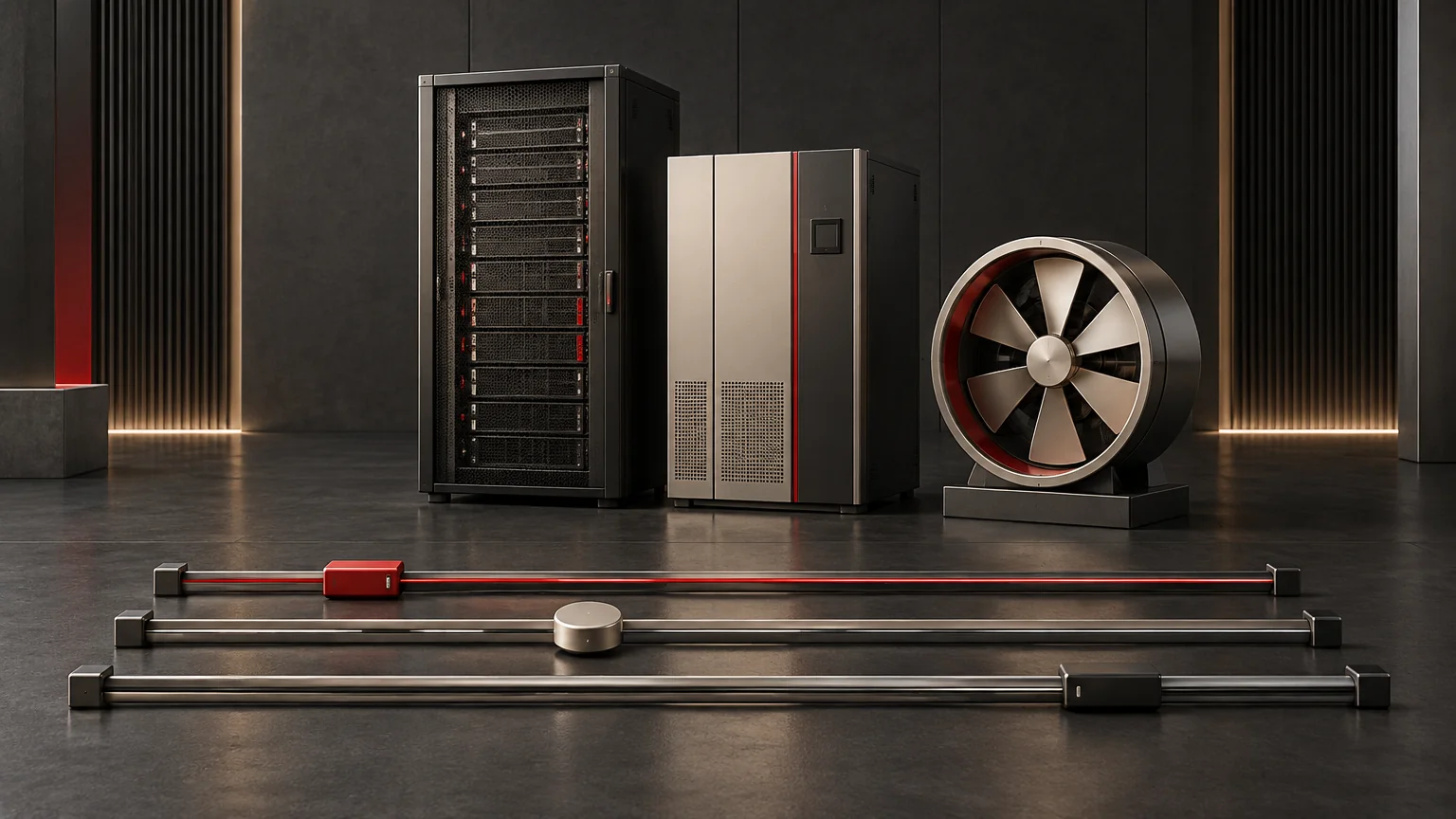
UPS Backup When Server-Room Cooling Stops
Align UPS autonomy with cooling recovery and the thermal window for continued IT operation, workload reduction or orderly shutdown.

Choosing a Transformer-Based UPS for Noise-Sensitive Rooms
Compare transformer-based UPS sound data by acoustic quantity, operating state and room conditions before choosing an occupied-space installation.
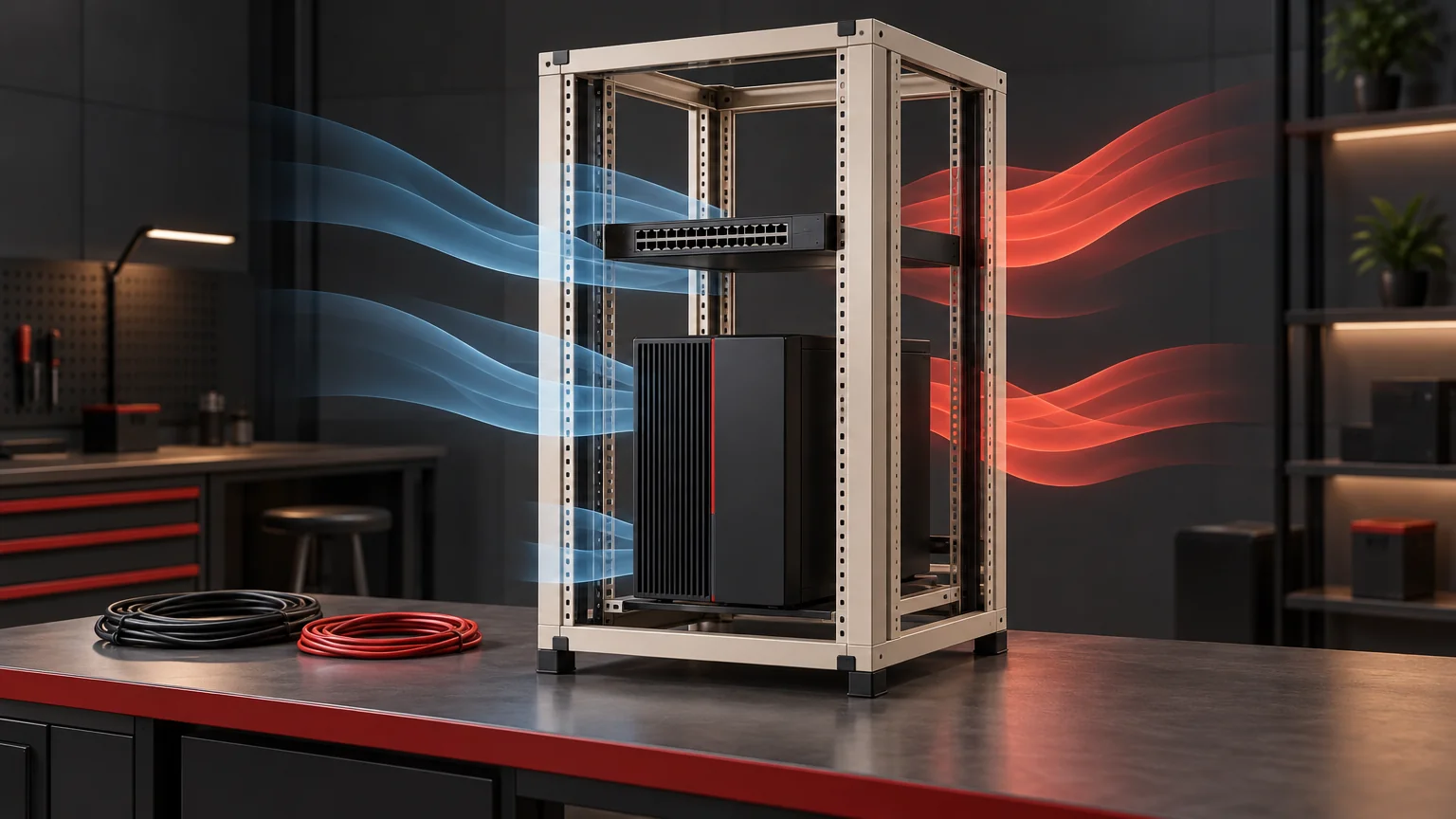
Planning Rack UPS Cooling: Follow the Airflow, Not Just U-Space
Plan rack UPS cooling through airflow paths, equipment heat and enclosure boundaries, then prepare a coordinated layout for the selected configuration.
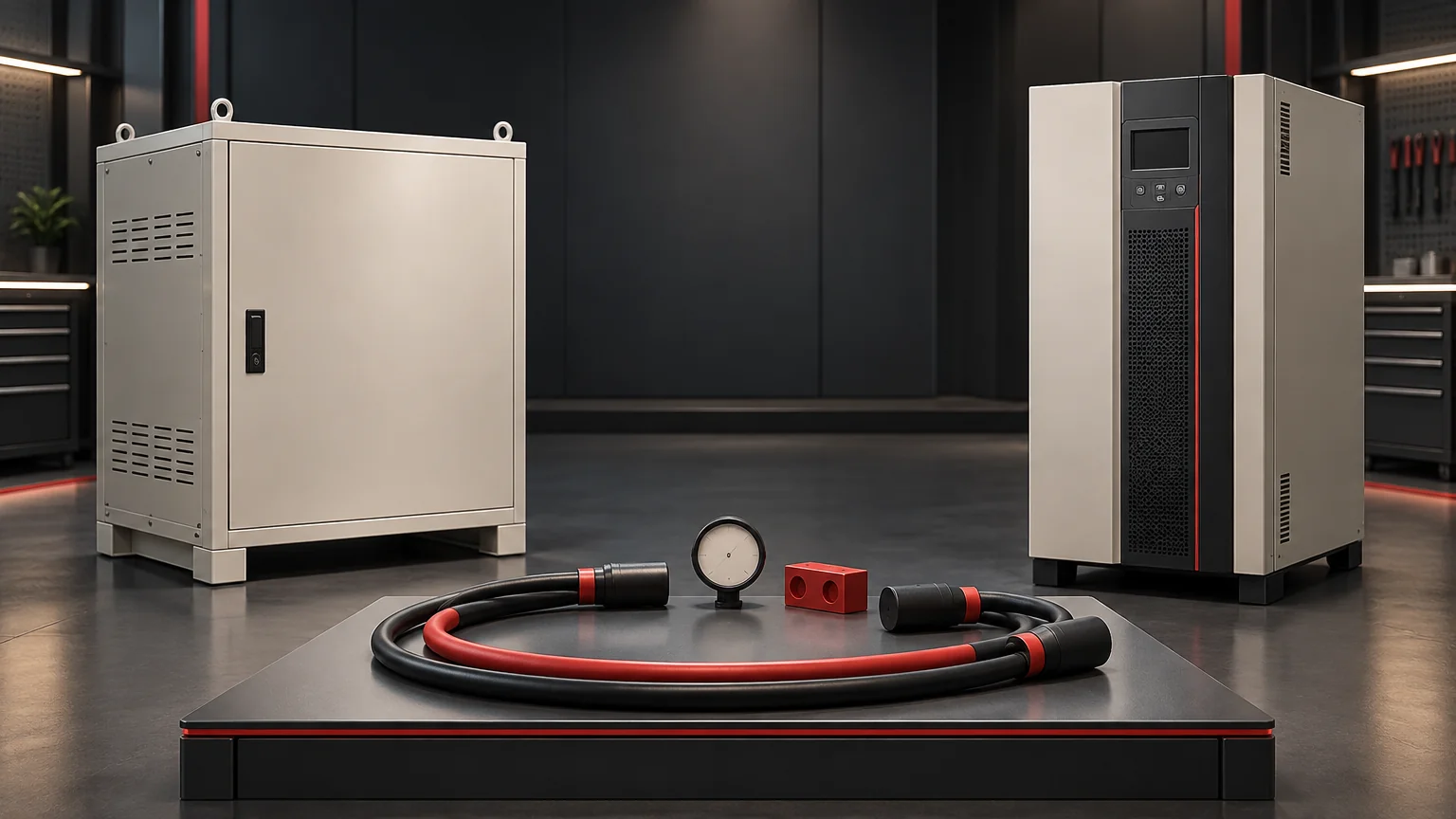
External UPS Battery Cables: Review the Complete Voltage-Drop Loop
Review the full external UPS battery cable loop for voltage drop, heat and charge/discharge conditions, without guessing cable size or settings.

Wide UPS Input Range Does Not Define Output-Voltage Conversion
Trace UPS input, output, bypass and maintenance voltages separately before assuming a wide input range provides the required voltage conversion.

Laboratory Relocation: Which UPS Evidence Still Applies?
Compare old and new laboratory conditions to retain valid UPS evidence and reassess changed electrical, mechanical and workflow dependencies.
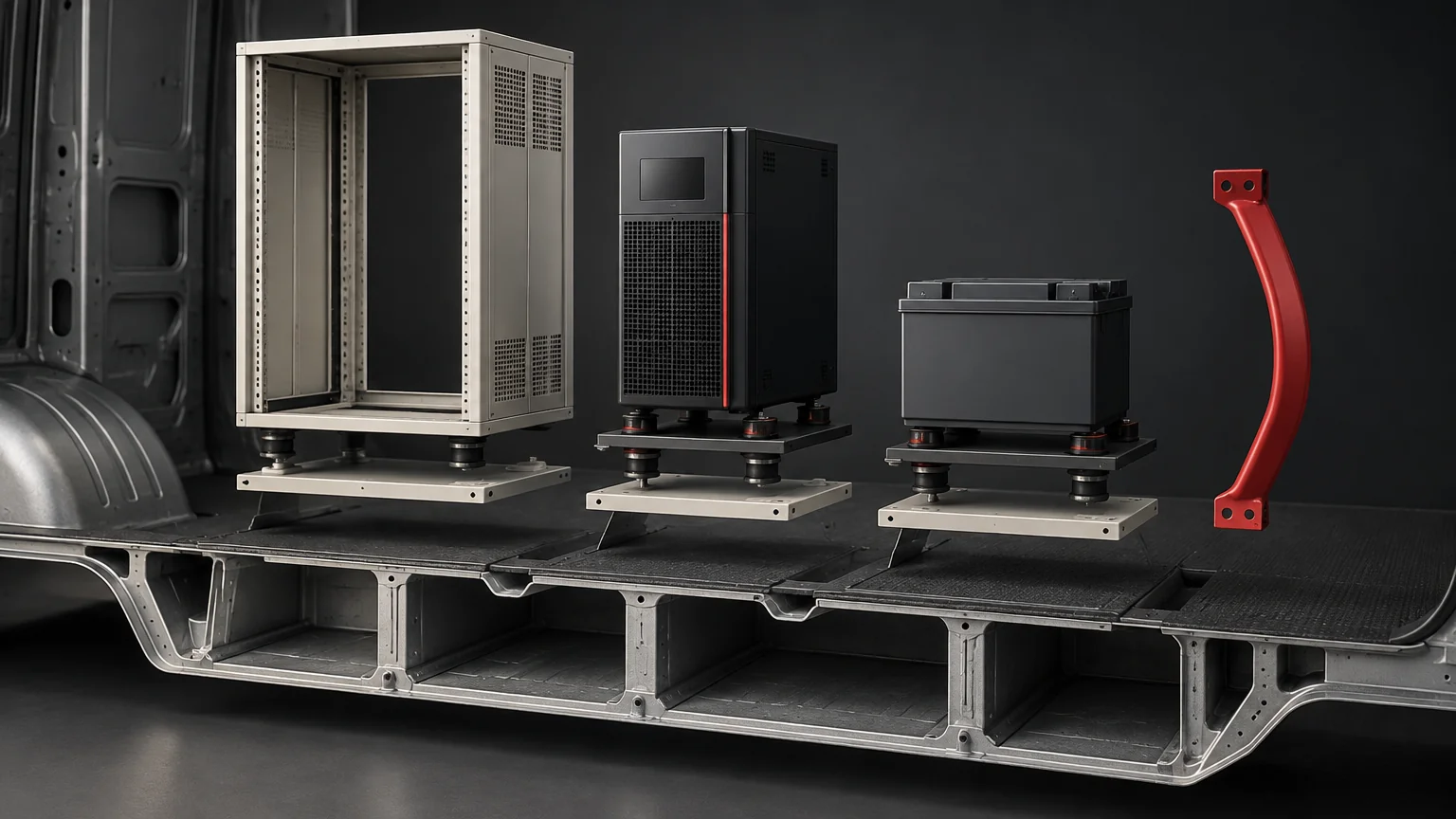
Vehicle-Mounted UPS and Battery Restraint: Follow the Load Path
Review vehicle UPS and battery restraint through the equipment, supports, cabinet and vehicle structure, without treating rack fit as approval.
Review an Inverter with the DC Insulation-Monitoring System
Review a station inverter and insulation monitor together through actual topology, capacitance limits, monitored boundaries and supplier evidence.

Telecom DC Input: Voltage, Return and Protective Earth
Specify telecom inverter DC voltage, polarity, return and protective-earth relationships as separate interface requirements before installation.

Balanced Phase Readings Do Not Prove Low Neutral Current
Review neutral current separately from balanced phase RMS readings in four-wire nonlinear-load systems, with a clearly hypothetical harmonic example.
Engineering guidance
Make a better power-system decision.
Every article answers a real buyer question — which battery chemistry, which topology, which voltage, which model for which environment — with the parameters and trade-offs an engineer needs to decide. Each links through to the relevant products and solutions.
Have a specific question?
Tell us your load and we'll advise.
Use these guides to frame the requirement, then send the load, voltage, runtime and destination for a configuration review.