Insights
UPS selection, standards & application guides.
Practical engineering guidance for specifying lithium UPS and power inverters, covering selection logic, voltage standards, topology and real application requirements.
More engineering guides.
Showing 121–132 of 224 guides

ET vs C Series Online UPS: Compare Battery Chemistry Without Confusing Topology
Compare Highidea ET and C online UPS by topology, battery chemistry, watts, runtime and installed configuration, with no blanket lifecycle claims.
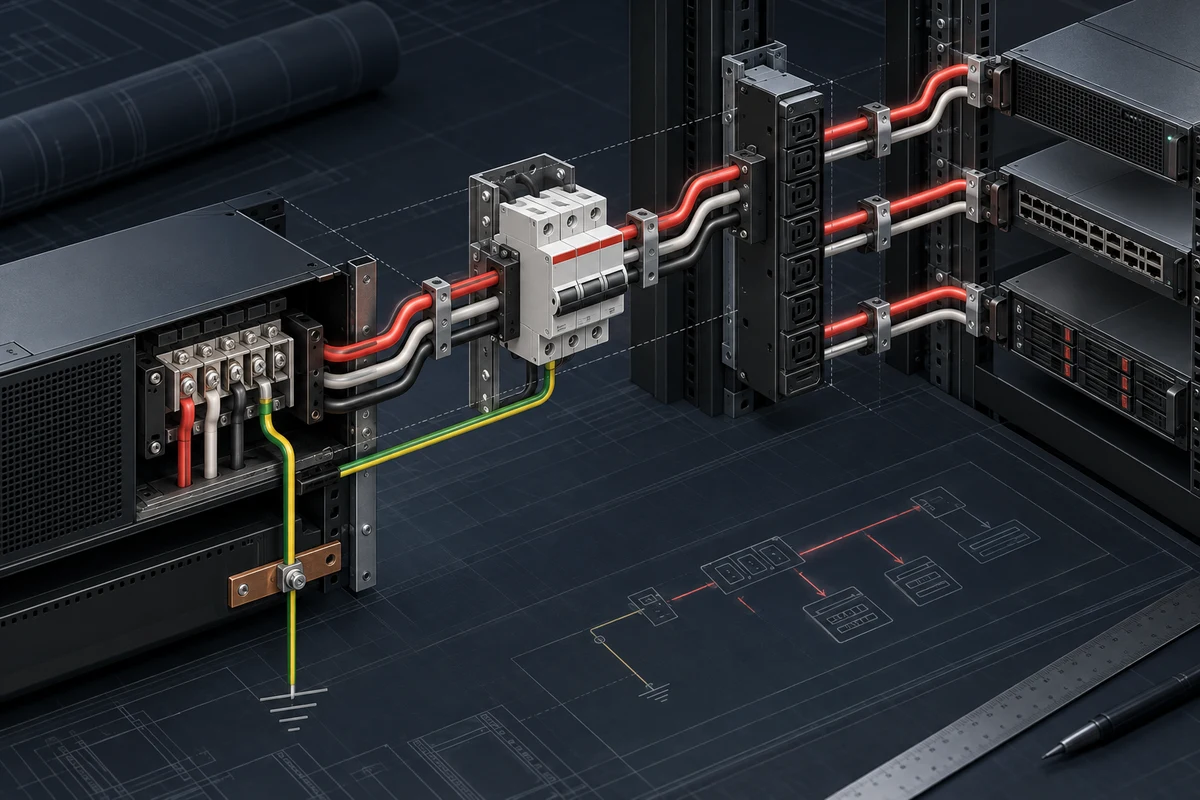
Rack UPS Output Connection Checklist: Terminals, PDUs and Circuit Protection
Confirm the exact UPS output interface and design the downstream PDU, conductors, protection, earthing and isolation as one coordinated distribution system.
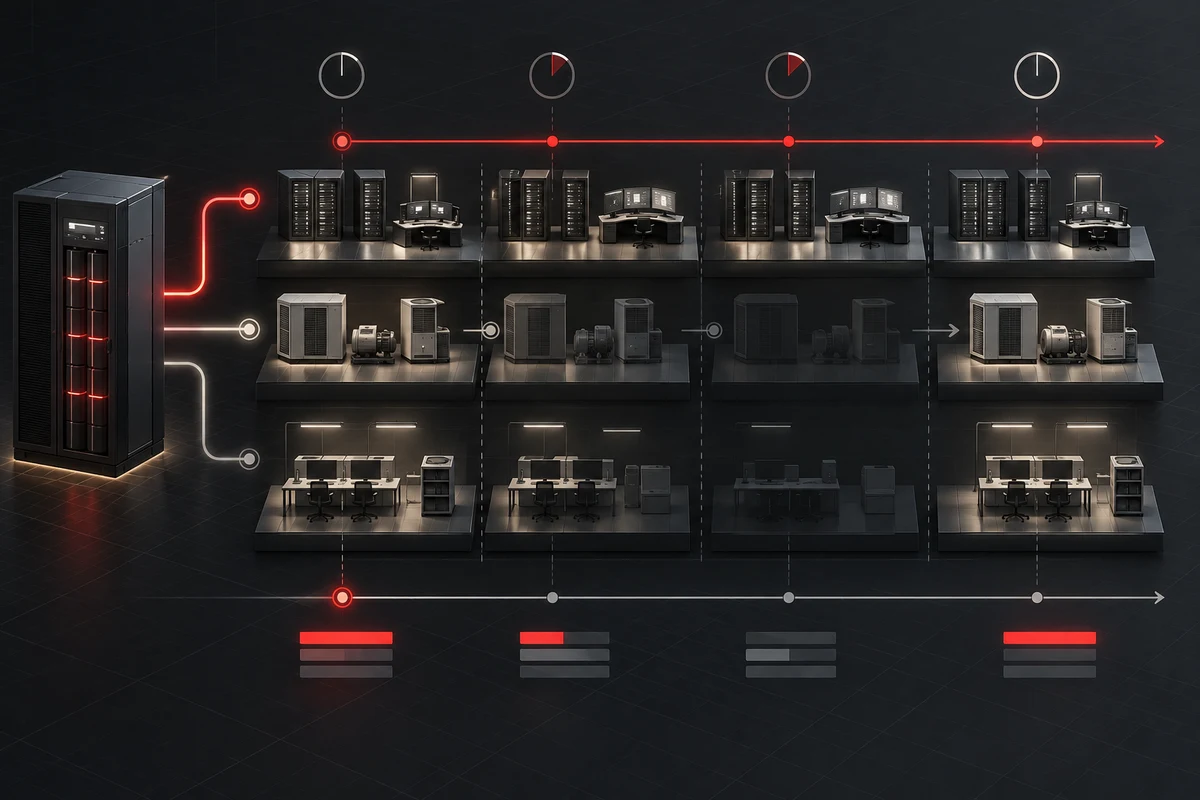
UPS Load Priority and Shedding Plan: What Stays On During an Outage
Classify loads by operational consequence and dependency, then assign must-run, graceful-shutdown and immediate-shed behavior to a timed outage plan.

Evaluating a UPS Manufacturer for Distribution: Product, Evidence and Support
Evaluate a UPS manufacturer for distribution through product-market fit, scoped evidence, change control, support readiness and a pilot-order record before discussing territory.

UPS Packaging and Transit-Damage Acceptance Checklist
Inspect UPS cargo before signing, preserve packaging and serial evidence, notify the carrier and supplier promptly, and keep damaged electrical equipment de-energized.
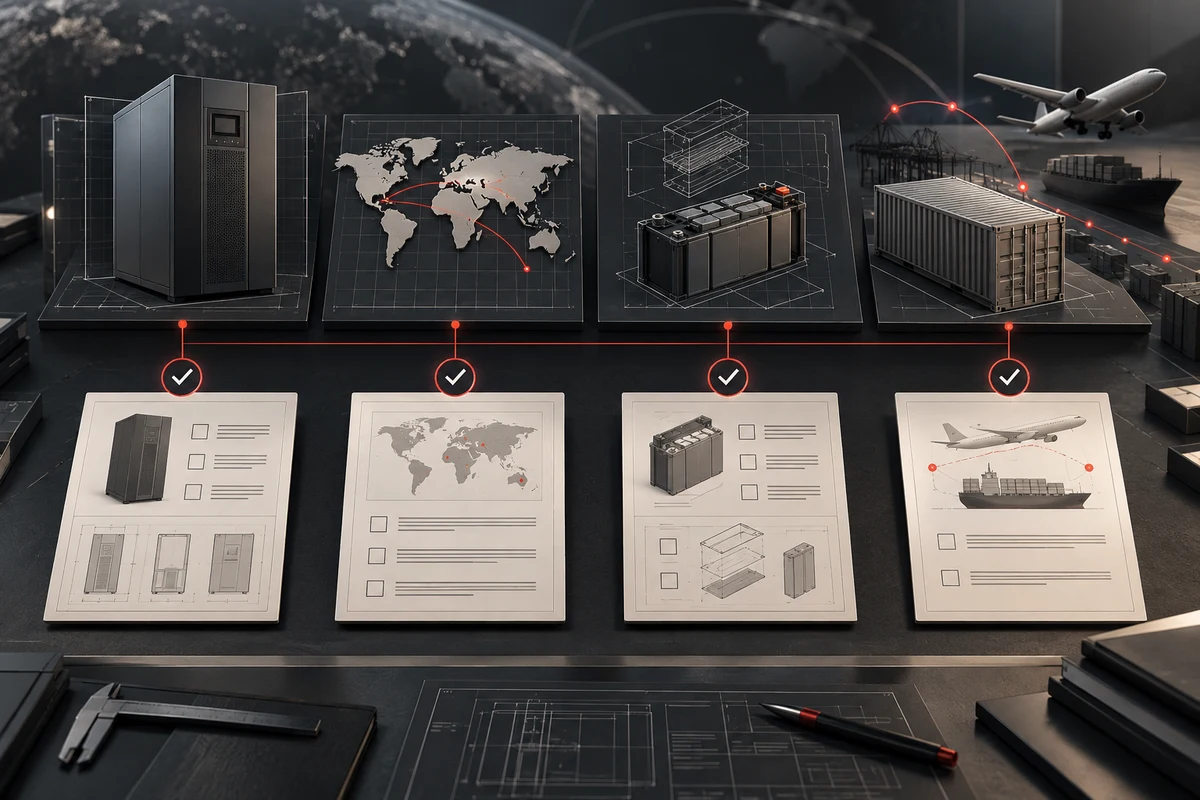
UPS Compliance RFQ Checklist: Model, Market, Battery and Shipment
Request compliance evidence against the exact legal entity, model, market, battery configuration and transport mode before comparing UPS quotations.
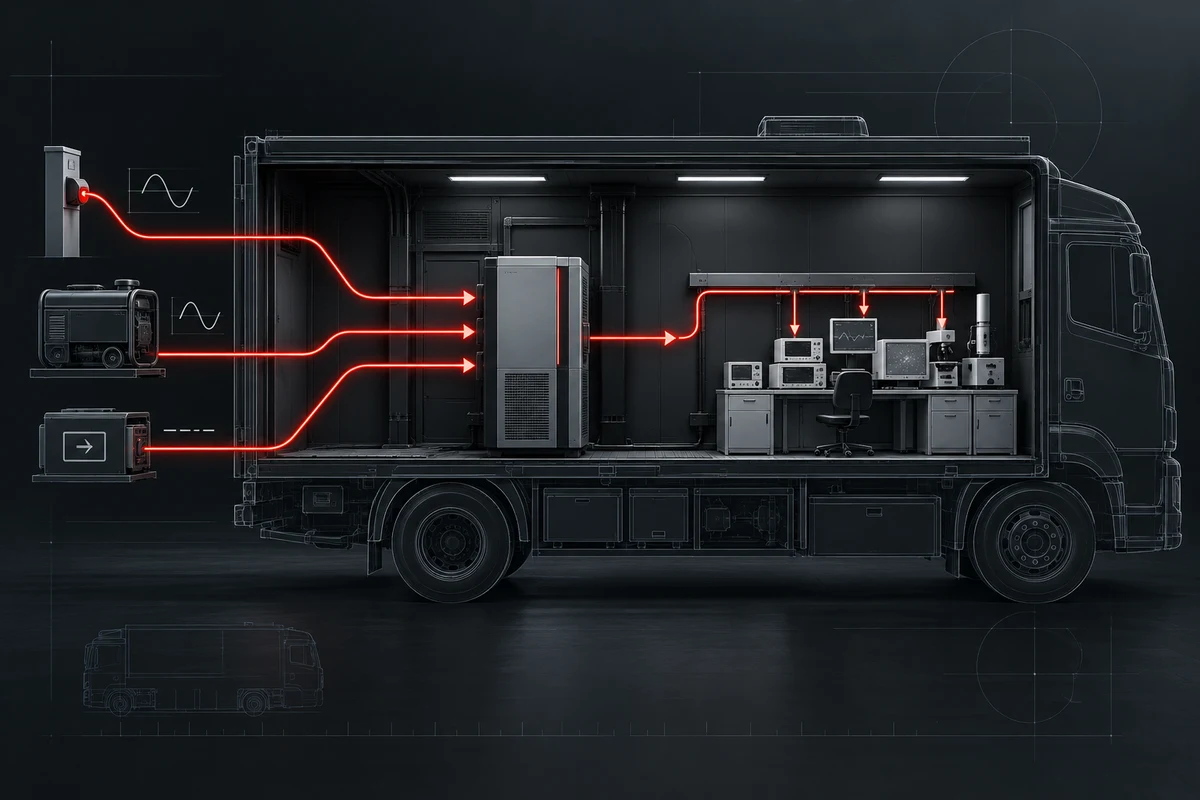
Vehicle-Mounted UPS Input Sources: Shore Power, Generator and Onboard Conversion
Map shore power, generator and onboard conversion as separate operating states, then test every transition against the mobile load and UPS input limits.
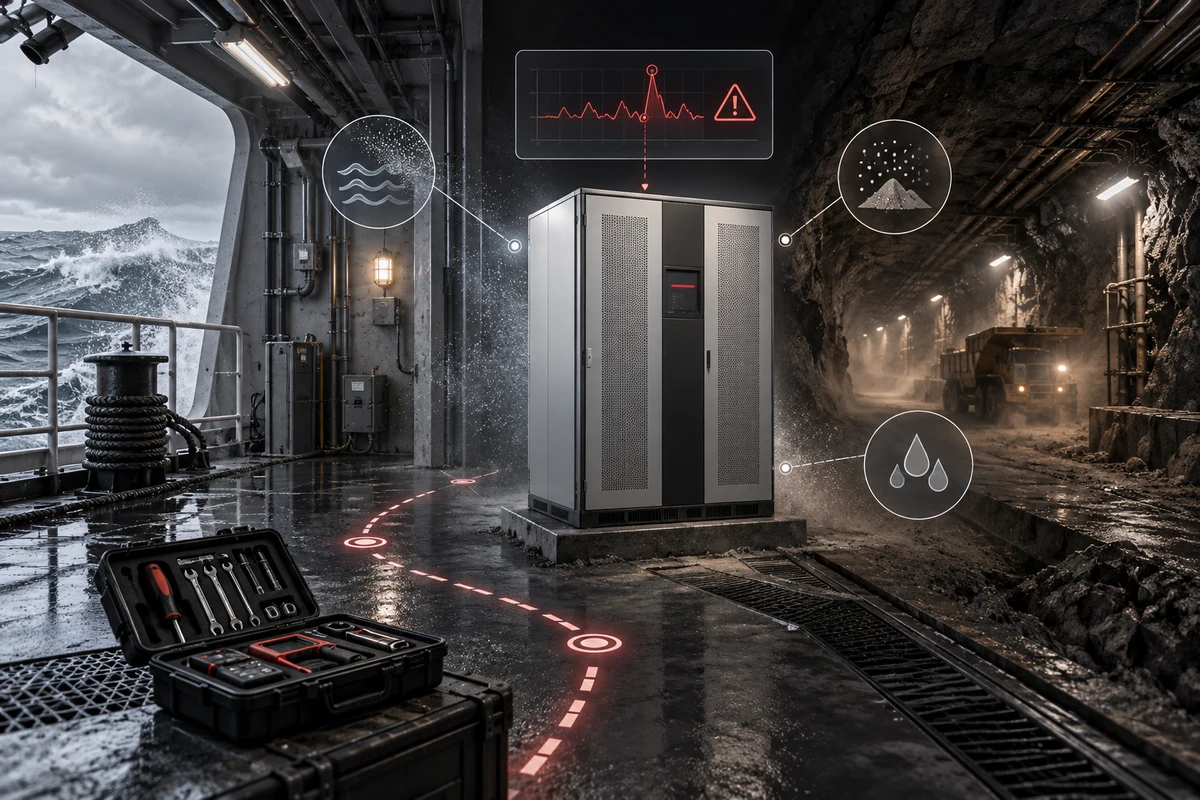
UPS Maintenance at Remote Marine and Mining Sites
Plan remote-site UPS maintenance around access windows, environmental exposure, alarm evidence, safe isolation and a deliberately limited spare-parts kit.

UPS Lead-Time Planning: Separate Standard, Custom and High-Quantity Orders
Plan UPS lead time as a chain of dated decisions rather than one supplier promise. The following engineering and procurement checks make the answer measurable before an order is placed.

Remote UPS Supplier Audit: Evidence You Can Review Before a Factory Visit
A remote UPS supplier audit should triangulate legal identity, real processes and product-specific records. Use the checks below to turn that question into a comparable supplier requirement.

Sea vs Air Shipment for Lithium UPS Systems: Documentation Questions Differ
Sea and air shipment of a lithium UPS start with the same exact battery identity, classification and current UN 38.3 evidence, but their rules are not interchangeable. It focuses the discussion on project conditions, configuration scope and evidence rather than catalogue shorthand.

Monitoring an Unattended UPS Site: From Alarm to Escalation
Monitoring an unattended UPS site means designing an end-to-end response chain, not merely installing a network card. The result is a decision record that engineering, procurement and the supplier can all verify.
Engineering guidance
Make a better power-system decision.
Every article answers a real buyer question — which battery chemistry, which topology, which voltage, which model for which environment — with the parameters and trade-offs an engineer needs to decide. Each links through to the relevant products and solutions.
Have a specific question?
Tell us your load and we'll advise.
Use these guides to frame the requirement, then send the load, voltage, runtime and destination for a configuration review.