Insights
UPS selection, standards & application guides.
Practical engineering guidance for specifying lithium UPS and power inverters, covering selection logic, voltage standards, topology and real application requirements.
More engineering guides.
Showing 109–120 of 224 guides

Dual-Cord Servers: Map Both UPS Power Paths
Two server power cords do not establish two independent supply paths.
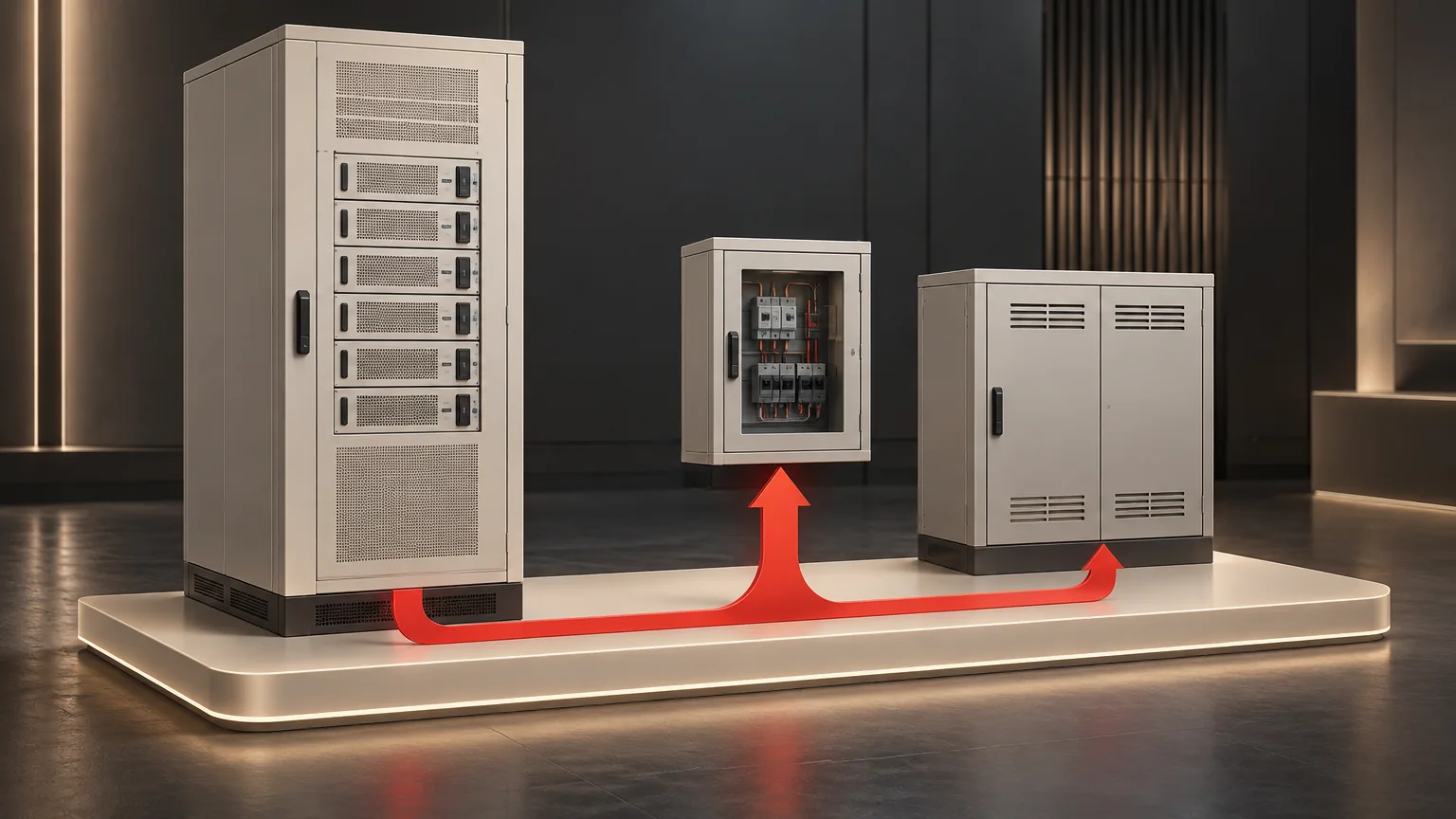
Sizing a Rectifier for DC Loads and Battery Recharge
Budget the continuous DC load and the battery's approved recharge demand at the same time, under the conditions in which the plant must operate.
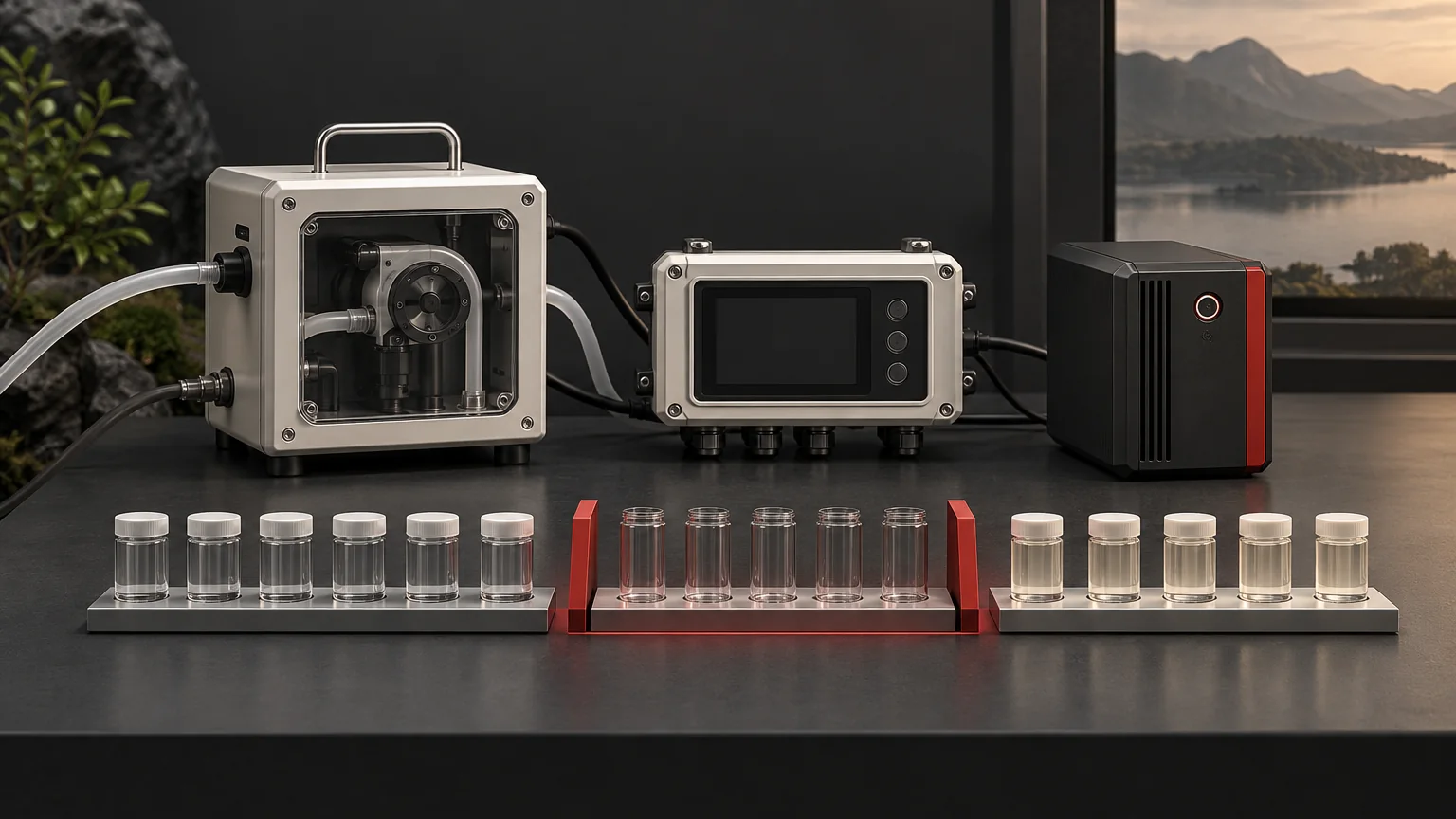
UPS Backup for Environmental Monitoring: Preserve the Sampling Chain
Plan backup around a valid sampling cycle and its stored record.

UPS Backup for Surveillance: Protect the Recording Chain
A camera that remains powered does not prove that footage is being recorded.
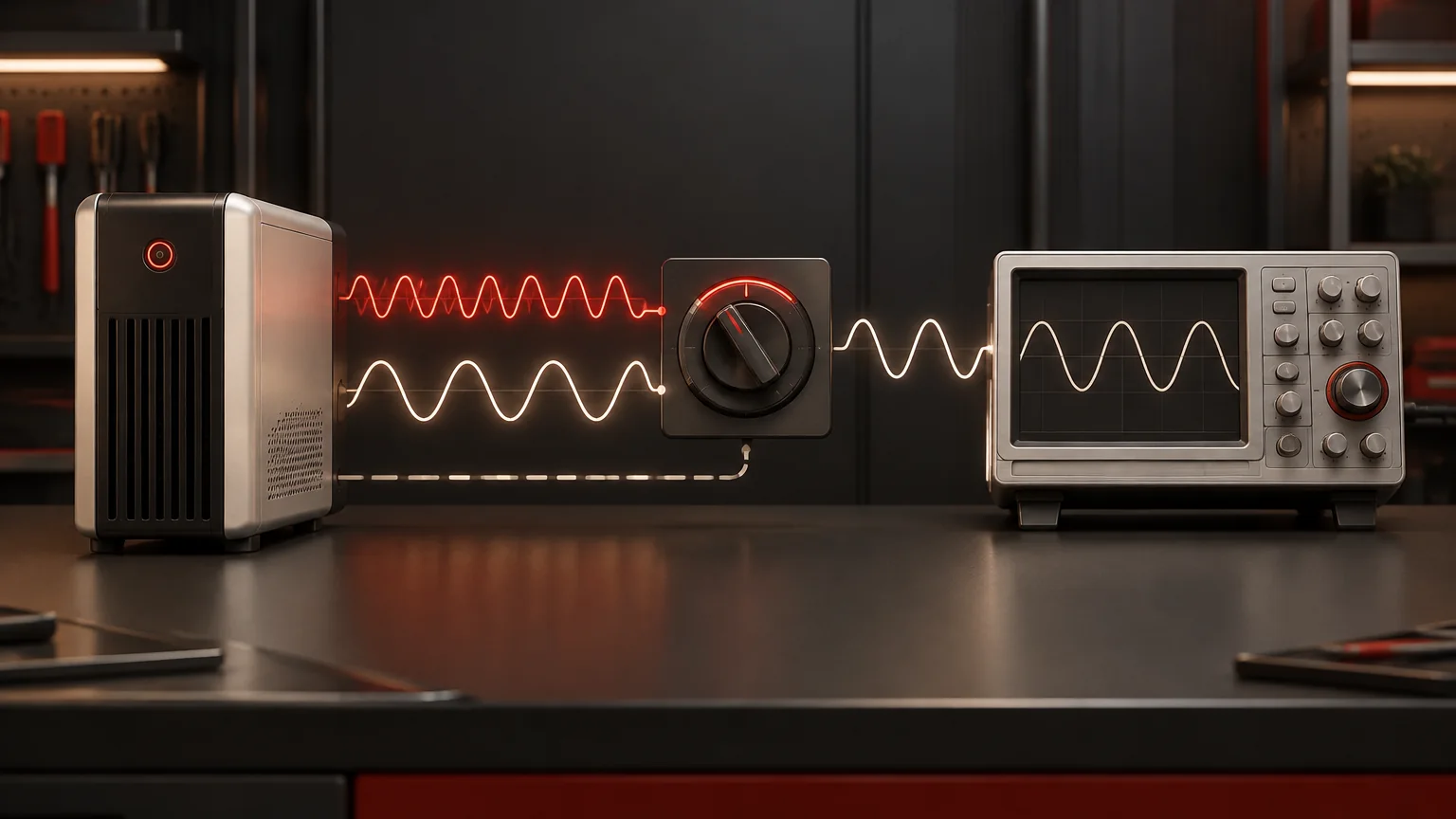
Does an Online UPS Also Convert Frequency?
Online double conversion describes a power-conversion path, not a guarantee of fixed-frequency conversion.
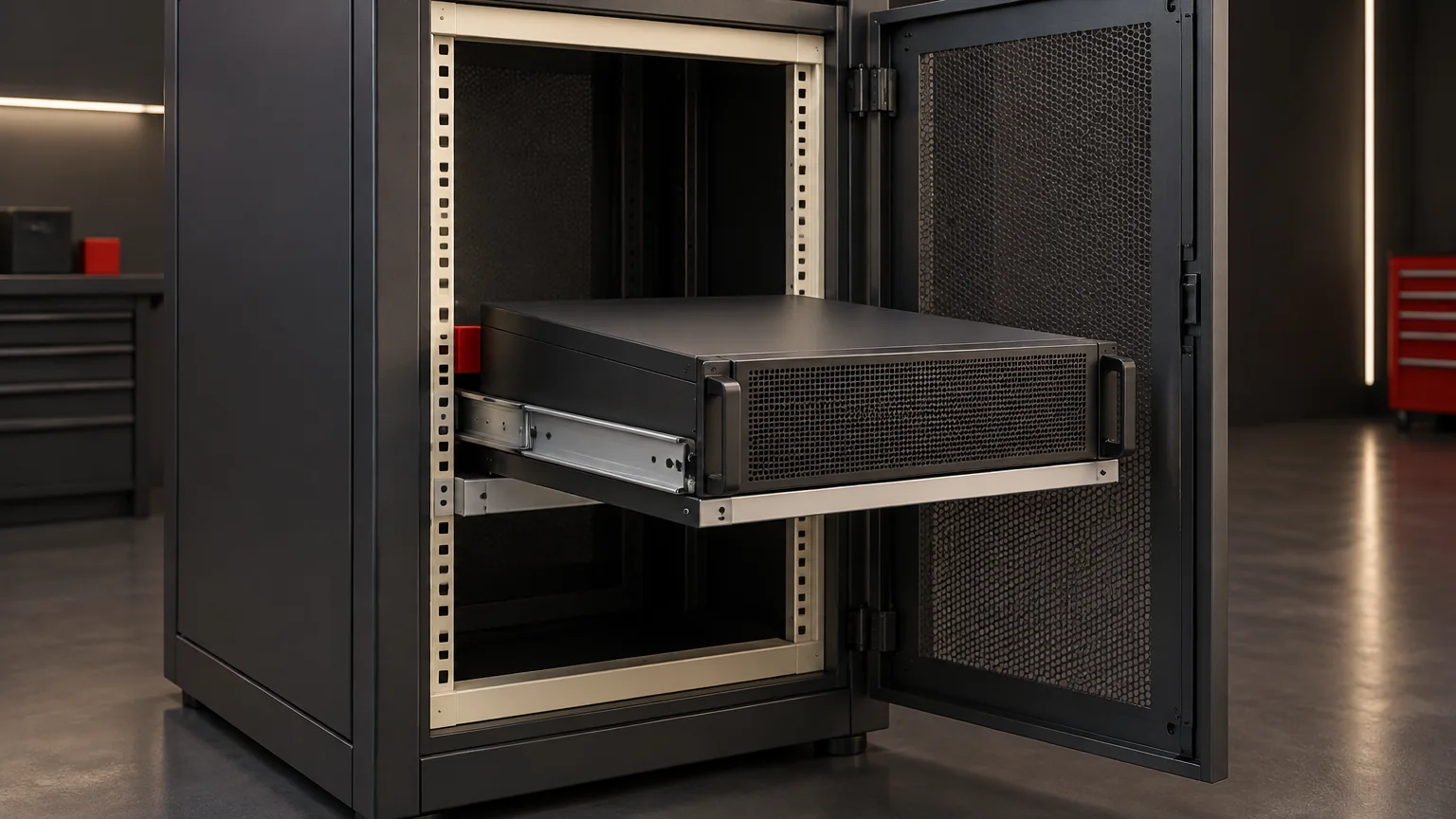
Will This Rack UPS Fit Your Cabinet?
A 19-inch label does not establish cabinet fit.
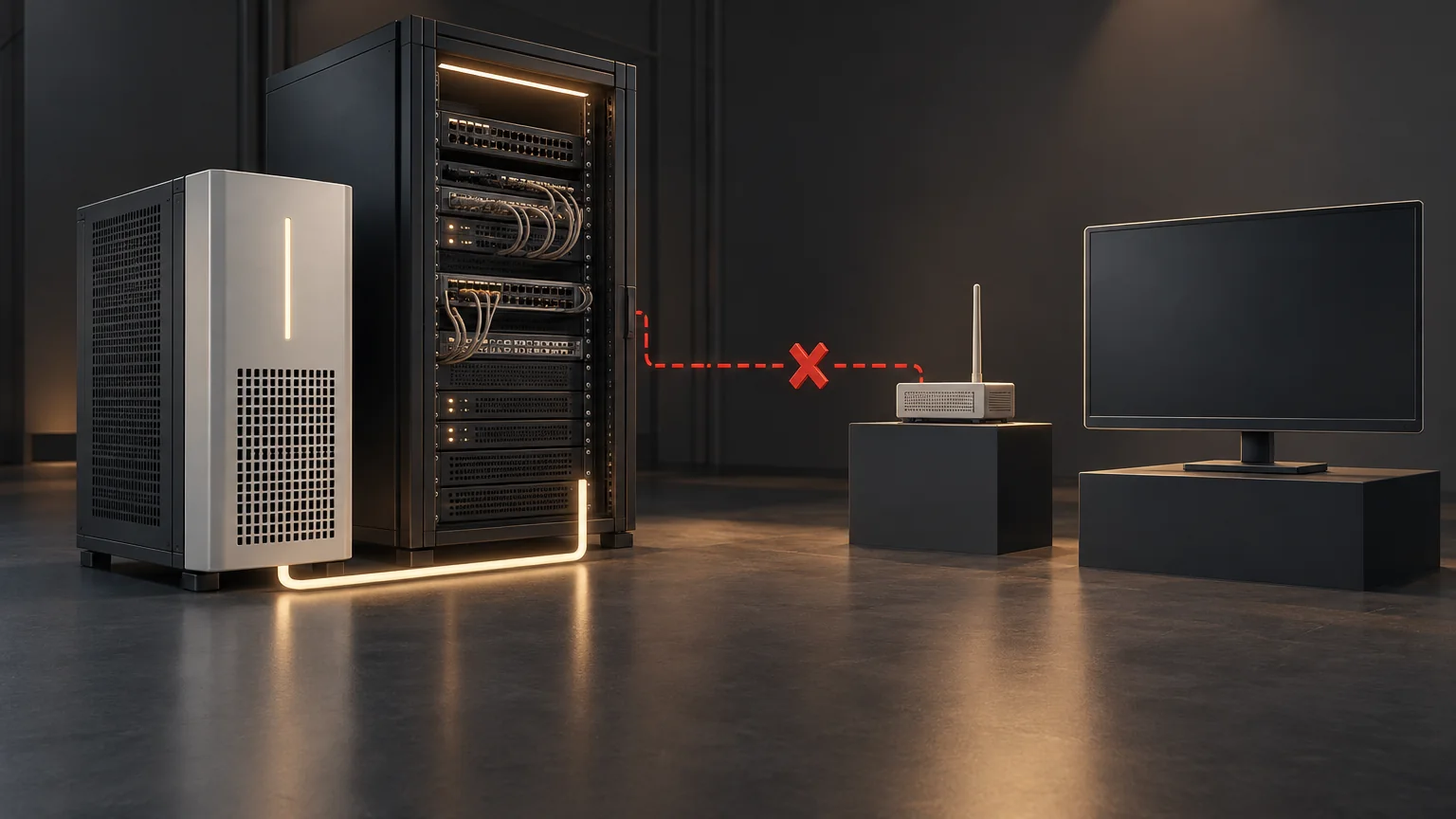
UPS Monitoring Is Offline: Find the Failed Link Before Resetting
Trace missing UPS telemetry across the card, network, receiver and cloud using fresh data and a safe support record before resetting anything.

Why Is Your UPS Backup Time Shorter Than Specified?
Separate estimates, shutdown commands and actual output loss, then compare load, charge history and configuration without unsafe discharge tests.

When Should a Facility Choose a Three-Phase UPS?
Choose UPS input/output phases using supply, per-phase load, voltage and bypass requirements, with a scoped Highidea 33ET example.
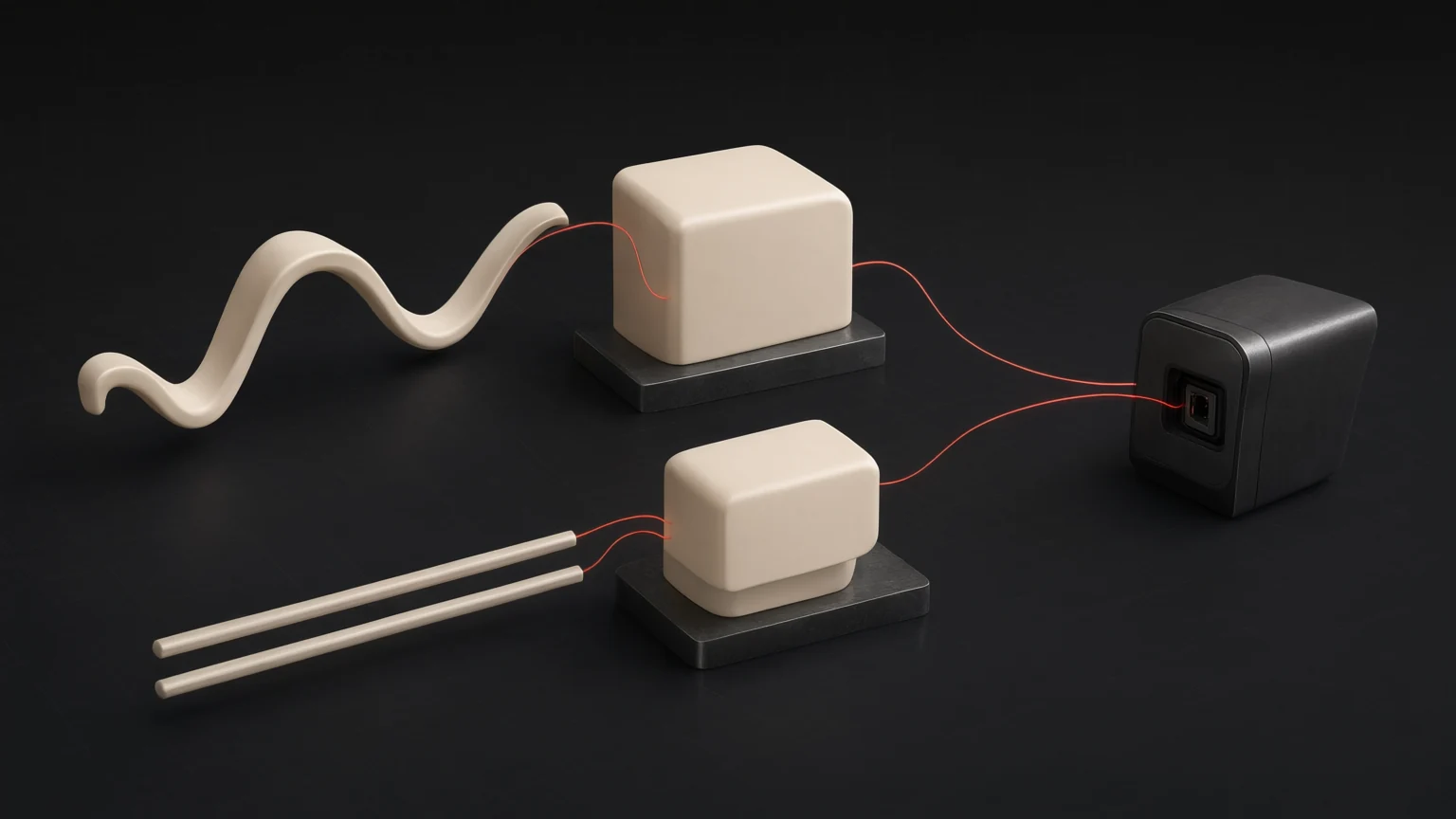
AC/DC or DC/DC? Specify a Power Converter from the Equipment's Approved Input
Choose AC/DC, DC/DC or inverter paths from the equipment’s approved input, with a conversion-direction matrix and bounded Highidea RP quotation scope.
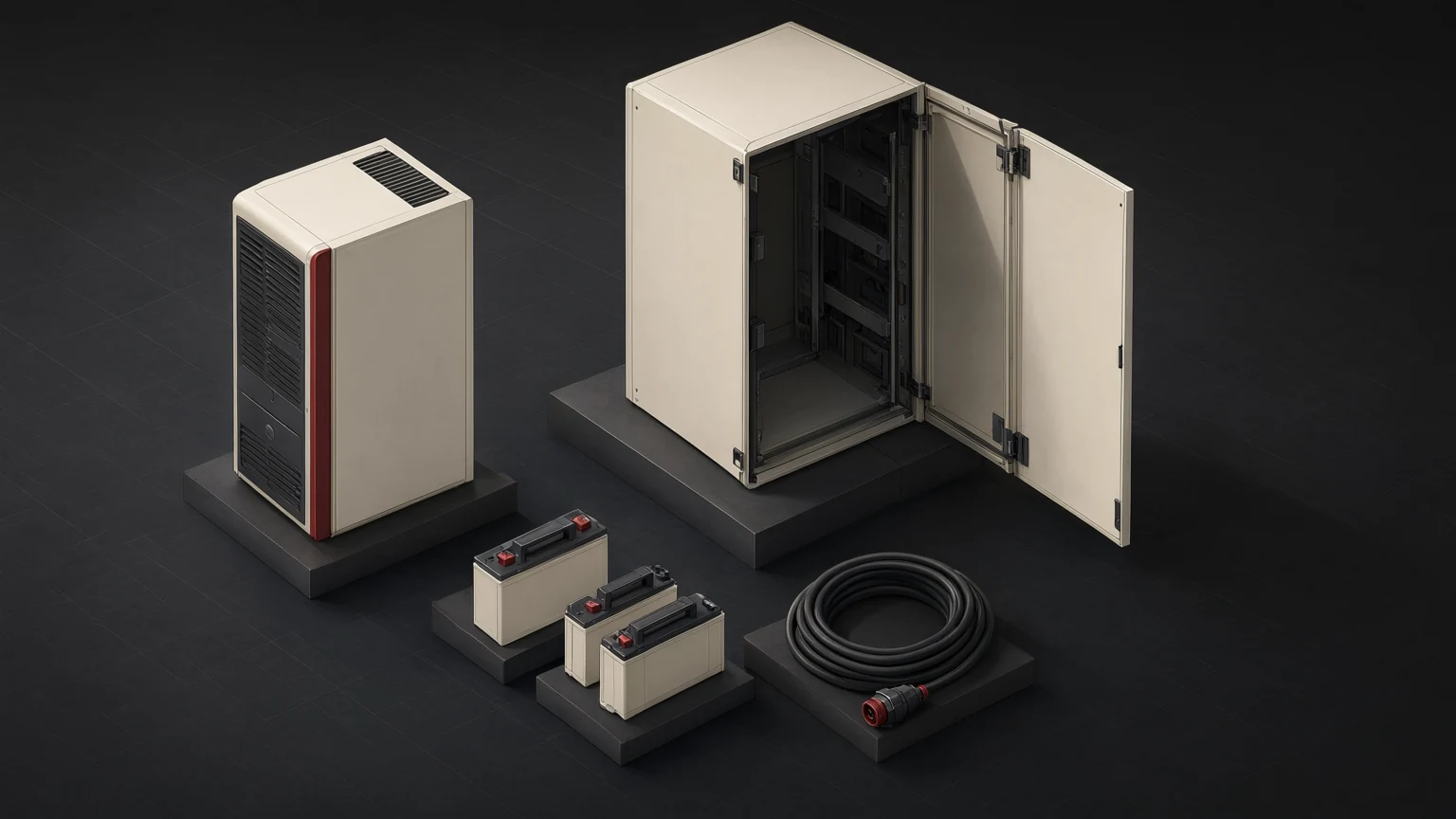
C-Series UPS or C-Labelled Battery Cabinet? Identify Each Quotation Line
Separate C-series UPS hosts from C-labelled battery cabinets and identify batteries, compatibility, connection equipment and quotation inclusions.
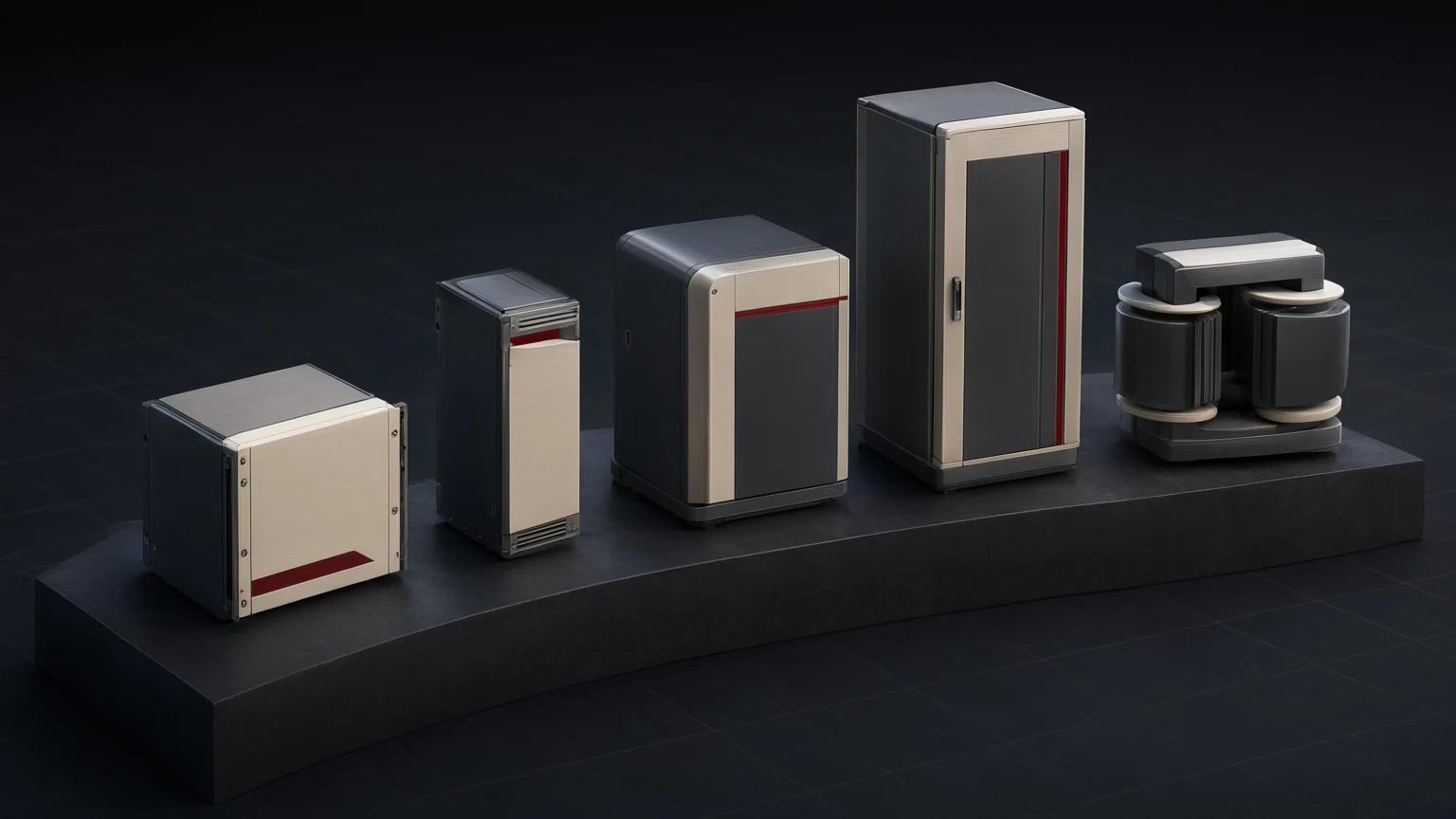
H, HB, HT and HTT Inverters: Which Features Must Be Specified Separately?
Distinguish H, H Pro, HB, HT and HTT by documented variant features, power paths, transformer arrangement and model-specific quotation requirements.
Engineering guidance
Make a better power-system decision.
Every article answers a real buyer question — which battery chemistry, which topology, which voltage, which model for which environment — with the parameters and trade-offs an engineer needs to decide. Each links through to the relevant products and solutions.
Have a specific question?
Tell us your load and we'll advise.
Use these guides to frame the requirement, then send the load, voltage, runtime and destination for a configuration review.